
Review · HOT SPRINGS AND GEOTHERMAL POOLS
Tokyo: 2-Day Mt. Fuji, Kamakura and Izu Hot Springs Tour
Mount Fuji, black eggs at volcanic Owakudani, a Japanese hot spring, and Kamakura’s famous coast make this a packed two-day sampler of central Japan. I like the overnight at Shuzenji Onsen, which gives the trip a more local feel than a simple day trip, and I like that the Enoden train fare and meals at the inn are included. The itinerary covers a lot of ground, so expect long hours in the vehicle and limited time at some stops.
I also like the seasonal plan: you visit Fuji’s fifth station from April 26 through November 30, then use Nishinomiya-yama Shinshu Park as the winter alternative. The biggest concern is consistency. One guide, Wan, was praised for being kind and helpful, while another guide, Jason, struggled with English. Weather can also force major changes, including missed Kamakura stops.
Key points to know before booking
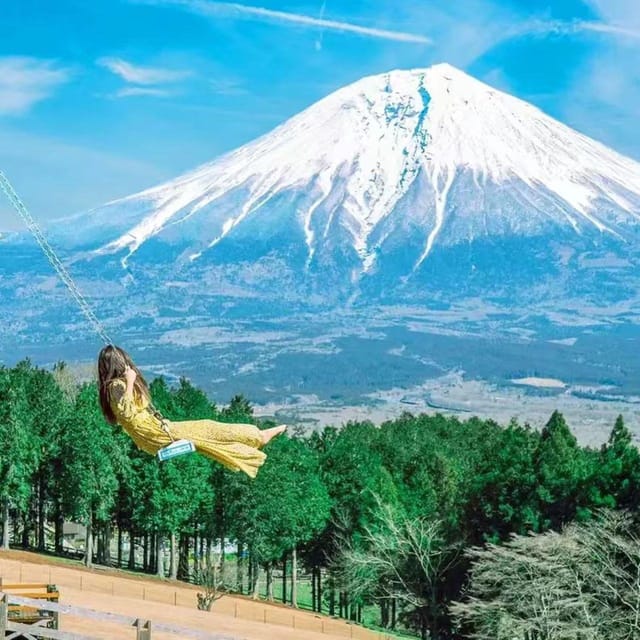
- Fuji’s fifth station is seasonal: From April 26 to November 30, the bus aims for the fifth station. From December 1 to April 25, the tour switches to Nishinomiya-yama Shinshu Park.
- Shuzenji is the trip’s best pause: Your overnight includes an onsen, dinner, and breakfast, with a kaiseki meal that has earned especially strong praise.
- The route is ambitious: Mount Fuji, Hakone, Izu, Mount Omuro, Enoshima, and Kamakura all fit into roughly two days, which means substantial driving.
- Kamakura sightseeing is not guaranteed: Weather and road conditions can change the plan, and a past departure missed the Great Buddha and other Kamakura stops.
- Extra costs add up: Admission tickets, lunch, drinks, and cable car rides are not included in the $295 price.
- Guide quality matters: Chinese, English, and Japanese are offered, but you should confirm your language needs before departure.
Why this two-day route works better than a string of day trips
At $295 per person, this outing is not simply a bus ride to Mount Fuji. You are paying for transportation, a driver-guide, one night at a hot spring hotel, onsen access, dinner, breakfast, and the Enoshima Electric Railway fare. That is a fair package if you want to see several regions without arranging hotels, trains, and transfers yourself.
The tradeoff is time. Fuji, Hakone, Izu, Enoshima, and Kamakura are spread across a wide area. You will spend part of both days on the road, and the vehicle has been described as basic and somewhat uncomfortable for the distance. I would choose this tour for reach and convenience, not for a slow, detailed look at each place.
It works best for a first visit when you want a broad taste of Japan outside Tokyo. If you already know you want several hours at Kamakura’s temples or a relaxed afternoon by Lake Ashi, a shorter, more focused trip may suit you better.
More Hot Springs in Japan
- Tokyo: Mt Takao Tour with Ramen and Tattoo-Okay Hot Spring
★ 5.0 · 69 reviews - [Seasonal Limited] Mt. Fuji 5th Station &Hot Spring Day Tour
★ 4.5 · 53 reviews - Full Day Hiking Tour at Mt.Takao including Hot Spring
★ 5.0 · 52 reviews
Mount Fuji from the fifth station, when roads allow
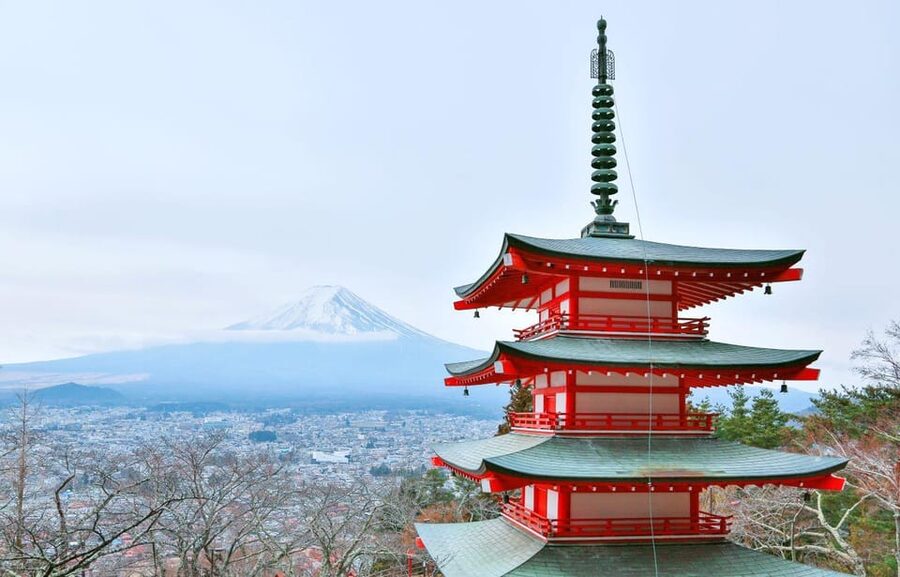
The first major stop is Mount Fuji, Japan’s most recognizable peak. From late April through November, the route goes up to the fifth station, a high viewing area on the mountain. You can expect broad views of the volcano and the surrounding countryside when the weather is clear.
Clouds are a serious factor here. Fuji often hides behind weather, and no tour can promise a clear view. The guide may also adjust the route or timing because of road conditions. Keep your expectations practical: the fifth station is a viewing stop, not a summit climb.
Winter uses a different stop, Nishinomiya-yama Shinshu Park, from December 1 through April 25. This gives you seasonal scenery and views, but it is not the same experience as reaching Mount Fuji’s fifth station. If the fifth station is your main reason for booking, check the travel date carefully.
The schedule also changes with traffic and weather, so do not plan a tight evening reservation in Tokyo after returning. The advertised finish is back at the meeting point, but the exact timing depends on the road.
Owakudani’s sulfur vents and famous black eggs
In Hakone, Owakudani gives the day a change of mood. This volcanic valley was formed after an eruption of Mount Hakone more than 3,000 years ago. Sulfur fumes rise from active vents, and the ground has a stark, otherworldly look.
The local specialty is an egg boiled in the hot spring water. Its shell turns black through a chemical reaction with the water. You can buy one at the site, making it an easy and memorable snack, though eggs are not included in the tour price.
Owakudani is weather-sensitive and can be affected by volcanic conditions. The guide may shorten or alter the stop if access changes. You should also expect a strong sulfur smell, which is part of the place rather than a flaw.
This is one of the tour’s most distinctive stops. It is not just a photo stop with a famous mountain in the distance. You get a direct look at Japan’s volcanic activity, tied to the same forces that shaped Hakone’s lake and hot springs.
Lake Ashi and the broad Hakone view
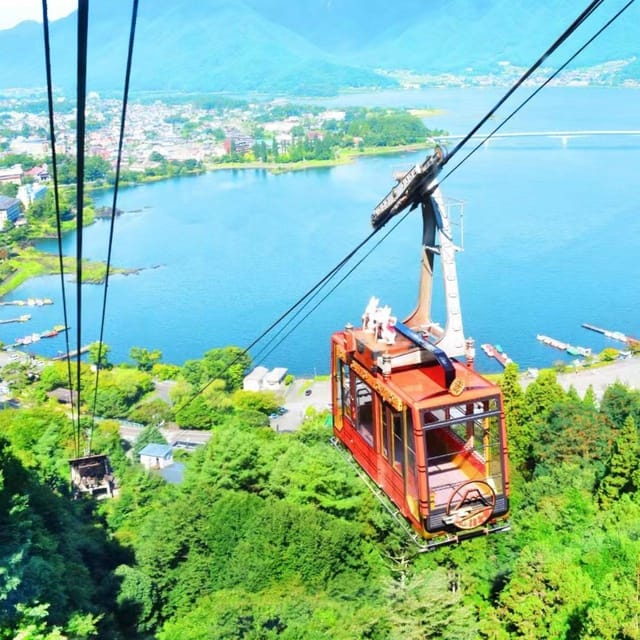
Lake Ashi fills the caldera created by Mount Hakone’s volcanic activity. Mountains frame the water, and on a clear day the setting can be striking. The tour overview includes a cruise on the lake, though the exact running order and access can change with conditions and timing.
The lake is a calmer counterpoint to Owakudani. You move from steam and sulfur to open water and mountain views. If the cruise is operating as planned, it gives you a welcome break from the road and a different view of Hakone.
Cable car fees are not included. That matters because Hakone transport can involve several separate tickets, and you should not assume every lift or cable car is covered by the $295 price. Admission tickets in general are also extra.
The guide may compress this portion if traffic, weather, or earlier delays affect the day. If Hakone is your priority, ask what transport is included before departure.
More Hot Springs in Tokyo
- Tokyo: Mt Fuji Lake Kawaguchi & Yamanaka Hot Spring Day Tour
★ 4.0 · 14 reviews
Shuzenji Onsen, the reason to stay overnight
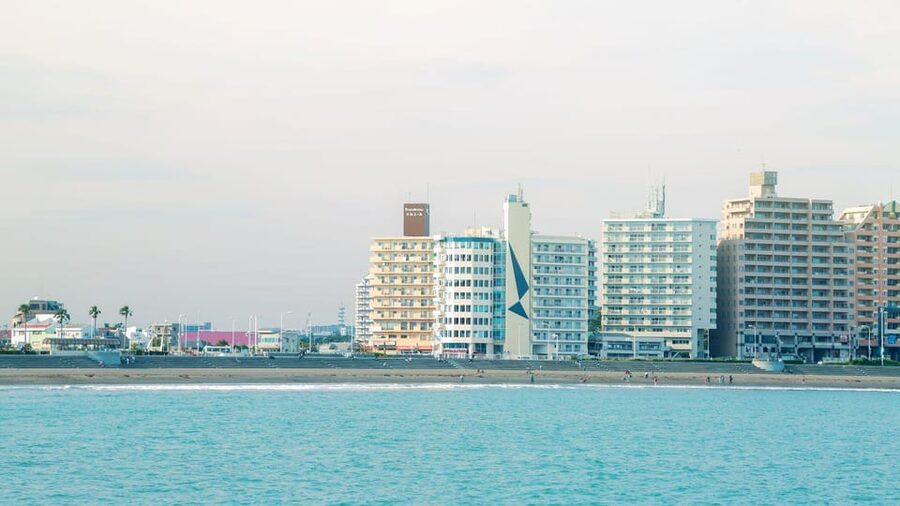
The evening stop at Izu Shuzenji Onsen Hotel is the strongest feature of the tour. Instead of returning to Tokyo after a long day, you settle into a Japanese hot spring setting and have dinner at the inn.
The included kaiseki meal is designed around local flavors and was the most consistently praised part of the overnight experience. Kaiseki is served as a series of carefully prepared dishes rather than one large plate. The meal gives you a taste of traditional dining without needing to arrange it yourself.
The onsen is also included. Bring a relaxed attitude and follow the bathing instructions at the hotel. The experience is about slowing down after a full day, though the hotel itself has been described as basic or simply okay. You should book this for the hot spring setting and included meal, not for luxury accommodation.
Breakfast is included as well. When the group is small, it is served as a Japanese-style set meal. With a larger group, it becomes a buffet. One poor experience specifically criticized the breakfast, so I would keep expectations modest.
Room arrangements matter. Rooms hold two to four people, and a solo occupant must pay a single supplement. If you are traveling alone, confirm that extra charge before booking. Also tell the operator in advance if you have an infant or luggage, since vehicle space is limited to one piece of luggage per person.
Shuzenji Onsen Street and a morning in old Japan
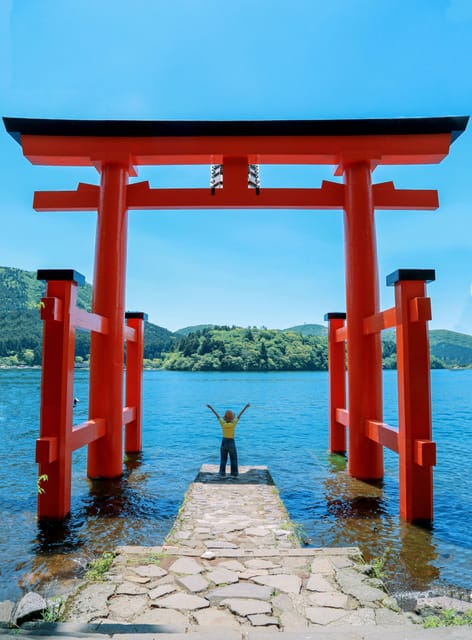
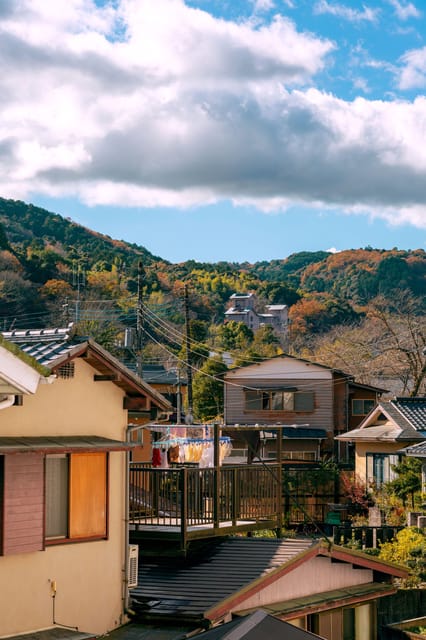
The second morning starts with a walk along Shuzenji Onsen Street. The area is known for its traditional atmosphere and has received a Michelin two-star distinction. That does not mean every minute is formally guided, but it does suggest a place with enough character to reward a slow stroll.
This is a useful part of the trip because it gives you time outside the vehicle. You can take in the old-style streets and the quiet morning mood before the route turns toward Mount Omuro and the coast.
Do not expect a long independent morning. The tour has several later stops, so your walk will be fitted into a fixed schedule. Wear shoes that can handle walking, and keep an eye on the meeting time.
Mount Omuro, with views and extra costs
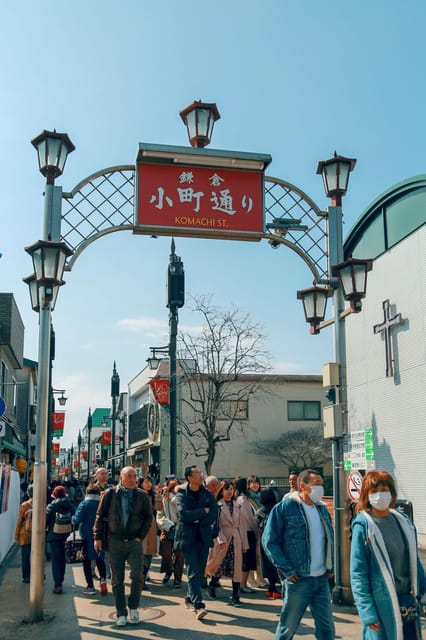
Mount Omuro is a distinctive volcanic peak on the Izu Peninsula. The itinerary allows time for a hike and broad views, but admission fees and cable car costs are not included. The wording of the experience makes clear that the cable car is an optional paid extra, not part of the base price.
That distinction is important. If you want to reach the higher viewpoints, budget for the additional ticket. One past departure did not have the optional cable car offered, so you should ask the guide on the day rather than assume it will happen.
Lunch is also on your own. After the morning walk and transfer, you will need to buy your own meal. Keep lunch simple and quick because the afternoon still includes Enoshima and Kamakura.
Mount Omuro is a good stop for people who prefer scenery to indoor sightseeing. It also adds another active stretch to a trip that already involves plenty of sitting and walking.
Enoshima Island and the Enoden train
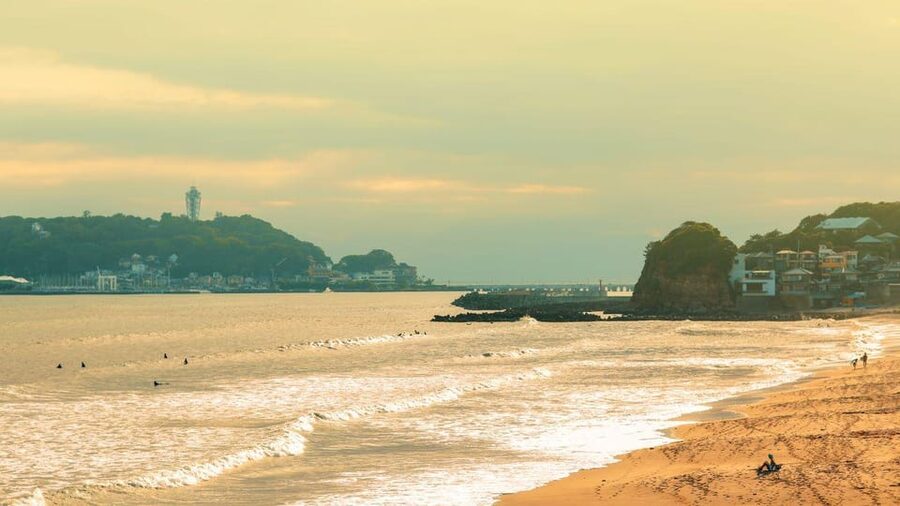
Enoshima brings the route to the coast. The island is known for its sea views and the Enoshima Sea Candle, a recognizable photo spot. The setting gives you a sharp change from Fuji’s mountain roads and Hakone’s volcanic valley.
The Enoshima Electric Railway fare is included, which is a useful detail. The train ride adds local character and avoids making every part of the day feel like a highway transfer. It also connects naturally with the later Kamakura portion.
Time may be tight here. Enoshima has enough to fill much longer than a quick tour stop, so you will need to choose between photos, walking, and browsing. The tour’s value is in giving you a first look, not in letting you explore every corner.
Kamakura’s coast, Enoden, and a major warning
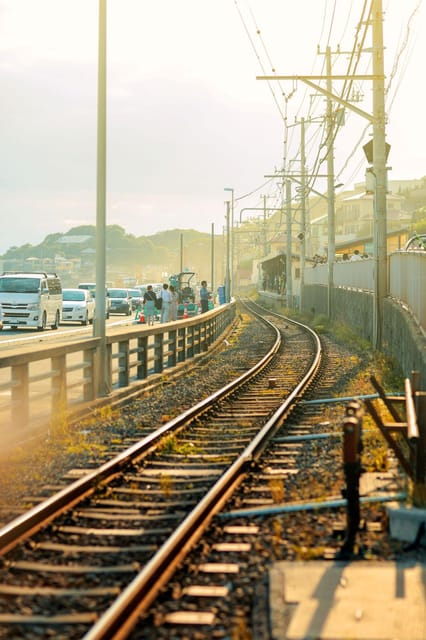
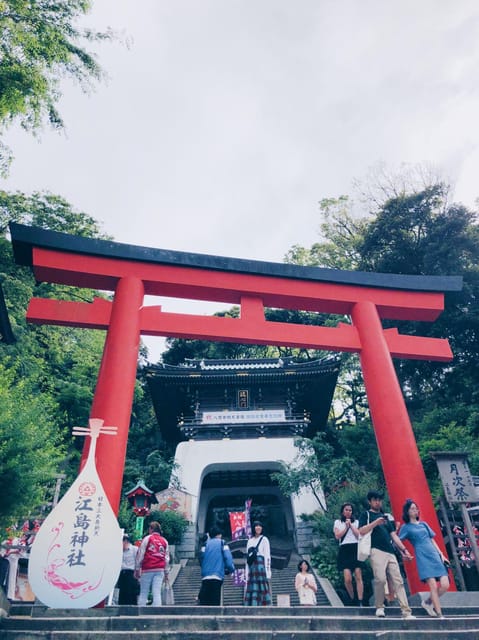
Kamakura is the historic and romantic finish to the route. It combines old temples, Zen gardens, a beach, and famous cultural sites. The plan includes the Enoden train and a stop at Kamakura High School, which became popular through anime and manga.
That school crossing is a modern pop-culture stop, while the rest of Kamakura points toward older Japan. The contrast is part of the fun. You can move from a familiar anime image to temple grounds and coastal views within the same town.
Still, this is the part of the plan I would treat as least certain. Weather and road delays can force changes, and one departure skipped Kamakura entirely, including the area around the famous Great Buddha. If seeing the Great Buddha is essential, this tour does not give you enough control to guarantee it.
Ask at the start of the day which Kamakura stops are confirmed. If the schedule is already behind, the guide may need to cut time here to get the group back to Tokyo.
Guides, vehicle comfort, and the language question
The tour operates with Chinese, English, and Japanese guides. The actual experience can depend heavily on who is assigned. Wan was singled out for being an excellent driver, kind, helpful, and friendly, creating a relaxed day despite the long route.
Another departure had a guide named Jason who was polite but struggled to explain the sites in English. A separate departure had a Chinese-speaking driver who offered little explanation, even after the route changed. Those are not small details. A guided tour earns its value through context, not only transport.
I would confirm your preferred language before paying, especially if cultural and historical explanations matter to you. You should also arrive 10 minutes early, since the meeting place, vehicle, and guide details are sent before departure and may vary by booking option.
The vehicle is air-conditioned, but it has been described as basic and somewhat uncomfortable for a two-day route. Pack light, bring water, and keep your daily essentials within reach. One piece of luggage per person is the stated limit, and infants or extra bags need advance notice.
Who should book this Fuji and Izu tour?
I would recommend it to you if you want a wide sample of Japan beyond Tokyo and prefer one organized package over several separate bookings. It suits first-time visitors who value Mount Fuji, an onsen night, and coastal towns more than long visits at individual temples.
It is also a good fit if the Shuzenji stay appeals to you. The included kaiseki dinner, breakfast, and onsen give the trip a traditional Japanese element that a standard Fuji day trip cannot provide.
I would hesitate if you need polished English guiding, a comfortable coach, or guaranteed time at Kamakura’s Great Buddha. I would also hesitate if your main goal is a clear Mount Fuji view, since clouds can defeat even a well-planned route.
At $295, the package is reasonable when you count the hotel, meals, transport, onsen, and train fare. Add money for lunch, drinks, admissions, and cable cars. The price is less attractive if weather causes several headline stops to disappear.
Final decision: book for breadth, not certainty
Book this tour if you want two busy days that connect Fuji, Hakone, Izu, Enoshima, and Kamakura, with a proper hot spring night in the middle. The route is ambitious and the kaiseki dinner is a real plus.
Skip it if you want a slow cultural tour with guaranteed explanations at every stop. Before booking, confirm the guide language, check the season of your Fuji visit, ask about the cable car plan, and accept that weather may rewrite the schedule. With those expectations, this can be a practical way to see a lot of central Japan in a short time.
FAQ
How much does the two-day tour cost?
The listed price is $295 per person.
What languages are available?
Live guiding is offered in Chinese, English, and Japanese.
Is Mount Fuji’s fifth station visited all year?
No. The fifth station is used from April 26 through November 30. From December 1 through April 25, the tour visits Nishinomiya-yama Shinshu Park instead.
Is accommodation included?
Yes. The tour includes one night at an Izu Shuzenji Onsen hotel, along with onsen access and meals.
Are dinner and breakfast included?
Yes. The overnight stay includes a kaiseki dinner and breakfast. Breakfast may be a set Japanese-style meal for a small group or a buffet for a larger group.
Is lunch included?
No. Lunch and drinks are not included. Lunch on the second day is at your own expense.
Are admission tickets and cable car rides included?
No. Admission tickets and cable car fees are excluded from the tour price.
Does the tour include the Enoden train fare?
Yes. The Enoshima Electric Railway fare is included.
Where does the tour start and finish?
The meeting point can vary by booking option. The activity ends back at the meeting point.
What happens if the weather changes the route?
The guide may adjust the itinerary and timing because of weather or road conditions. Stops such as Kamakura may therefore change or be shortened.
More two-day stays around Tokyo
- Private 2-Day Tour: Mt Fuji Hakone & Kamakura + Onsen Ryokan
★ 5.0 · 3 reviews - From Hanoi: 2-Day Bai Tu Long Bay Luxury Cruise with Jacuzzi
★ 4.8 · 160 reviews - Mt. Batur: 2 Day Camping Trip, Summit Hike, and Hot Springs
★ 4.9 · 25 reviews - Mount Rigi: 2-Day Wellness Experience from Zurich
★ 4.5 · 5 reviews
Newly listed around Tokyo
- Tokyo: Scalp Care Treatment at a Head Spa★ 4.6 · 9 reviews
- Tokyo: Japanese Massage – Kangfu Beauty & Body Care Salon★ 4.4 · 43 reviews
- Tokyo: Hakone’s Best Onsen Tour with Lake Ashi Cruise★ 4.7 · 3 reviews
- Tokyo: Japanese Spa & Sento Experience with Local★ 5.0 · 2 reviews
- Private 2-Day Tour: Mt Fuji Hakone & Kamakura + Onsen Ryokan★ 5.0 · 3 reviews
- Onsen Spa in Tokyo and Asakusa Bar Hopping with Local Guide★ 5.0 · 3 reviews
- Mt. Fuji Skiing Experience- YETI Ski Resort & Onsen Day Trip★ 4.2 · 8 reviews
- Mount Fuji – Hakone & Onsen Full Day Private Tour★ 3.8 · 6 reviews
Hot Springs and Geothermal Pools, compared.
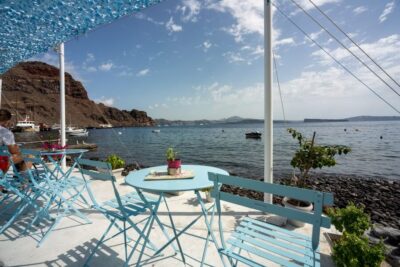
Volcanic Islands Cruise with Hot Springs Visit
Read our review →
Mount Batur Sunrise Guided Hike and Natural Hot Spring
Read our review →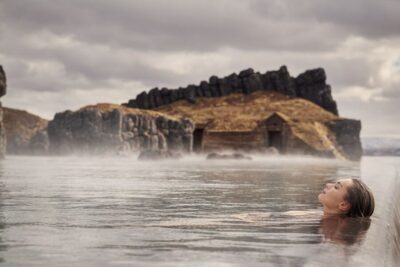
Sky Lagoon Entrance Pass With 7-Step Spa Ritual
Read our review →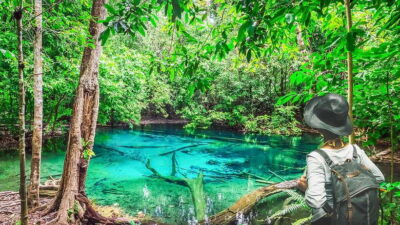
Tiger Cave Temple, Emerald Pool and Hot Springs Tour
Read our review →
Zakopane Tour Local Tasting, Cable Car & Hot Springs
Read our review →
Mount Batur: Private Sunrise Jeep Tour & Hot Spring
Read our review →
Mount Batur Sunrise Hike and Natural Hot Spring Option
Read our review →
Mount Batur Shared Jeep Sunrise & Hot Spring Tour
Read our review →Browse the lists this tour appears in