
Review · JAPANESE ONSEN EXPERIENCES
Hands On Pottery Workshop in Arima Onsen
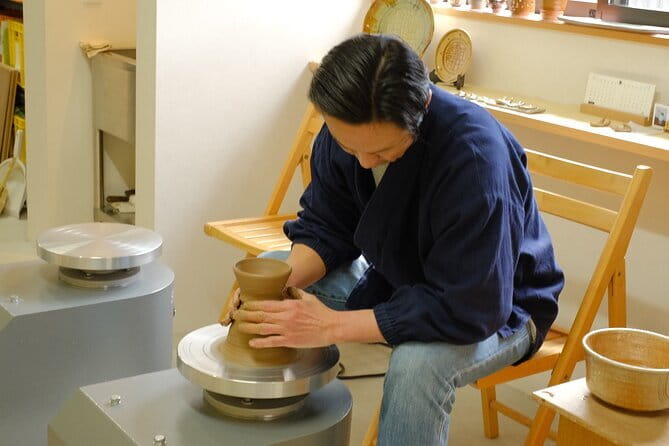
The most appealing part of this Arima Onsen workshop is the chance to make a real ceramic piece in a beautiful old-style setting, rather than simply watching a demonstration. You knead the clay, work at an electric potter’s wheel, and receive guidance from a professional potter with more than 20 years of experience.
I like two things right away: the small private format, where only your group takes part, and the choice of an Arima Onsen mineral-water glaze. The main catch is timing. Your finished piece takes about three months, and shipping costs extra, especially for international delivery.
Key points at a glance
- Make pottery from raw clay: Knead the clay before shaping it on the wheel.
- Choose your own form: Try a plate, tea bowl, or cup, with the option to make several pieces.
- One piece gets fired: The potter selects one finished piece for glazing and firing.
- Use a local glaze: One glaze is made with mineral-rich water from Arima Onsen.
- Private and beginner-friendly: Your group participates alone, and no past pottery experience is needed.
- Plan for a later souvenir: The finished piece is ready in about three months, with shipping charged separately.
Making a Ceramic Souvenir in Arima Onsen
Arima Onsen is one of Japan’s best-known hot-spring towns, and this workshop gives you a quieter way to experience it. Instead of spending your whole visit moving between baths, shops, and narrow streets, you spend about 90 minutes working with clay in a pottery studio.
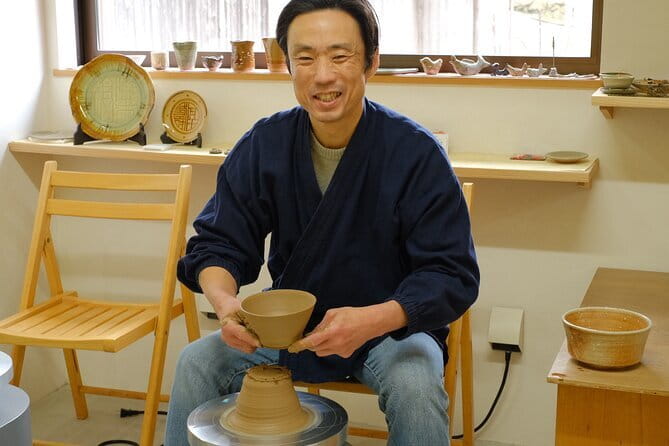
The activity takes place at 温馨窯 光碧庵, at 1114 Arimachō in Kobe’s Kita Ward. The name of the provider is written as 温馨窯 光碧庵, and the setting is part of the appeal. The house has been described as especially beautiful, and the workshop’s calm rhythm can feel almost meditative once your hands are busy.
That calm matters. Pottery asks you to slow down, watch the clay, and respond to small changes in pressure. You are not simply buying an Arima souvenir from a shop shelf. You are making something connected to your own time in the hot-spring town.
More Onsen Experiences in Japan:
- From Osaka: Himeji Castle, Arima Onsen & Mt. Rokko Day Tour
★ 4.6 · 339 reviews - From Tokyo: Private Tour to Fuji/Hakone – Onsen, Art, Nature
★ 5.0 · 116 reviews - Mt. Fuji, Hakone Private Tour from Tokyo – Onsen, Arts and Nature
★ 5.0 · 79 reviews
Kneading Clay Before You Touch the Wheel
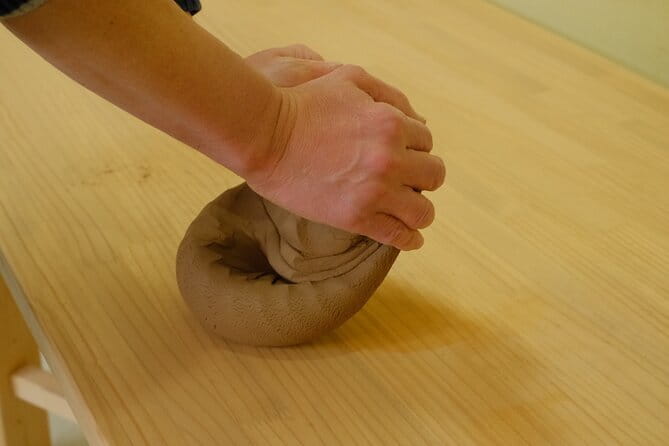
The session begins with clay preparation. You work the clay with your hands before placing it on the electric wheel. This first step is practical, not just a warm-up. It helps prepare the material and gives you a sense of its weight, texture, and resistance.
If you have never made pottery, this is useful because the process starts at a manageable pace. You do not need to arrive knowing how to center clay or shape a vessel. The potter guides you through the basic movements and corrects your technique as you go.
I like this hands-on start because it makes the finished object feel earned. A preformed lump of clay becomes your project from the first stage. It also gives you a chance to settle in before the wheel begins spinning.
Learning Wheel Throwing as a First-Timer
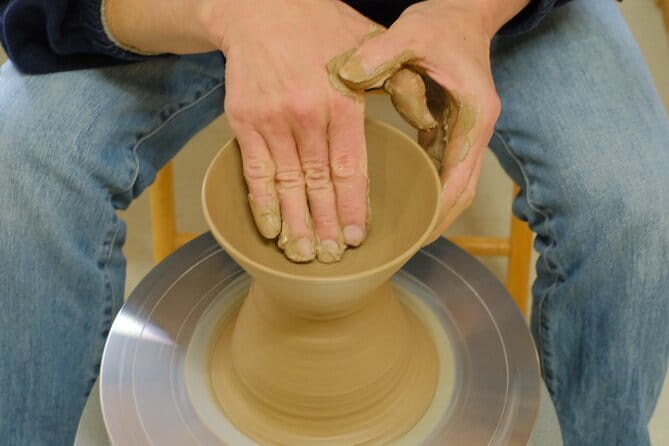
After kneading, you move to an electric potter’s wheel. The goal is to shape one of several useful forms: a plate, tea bowl, or cup. These choices give you a little creative control without leaving you to invent a complicated design from scratch.
Wheel throwing looks simple when an experienced potter does it. In practice, the clay can wobble, spread, or collapse if your hands move too quickly. That is why direct instruction is important here. The professional potter leading the class has more than 20 years of experience and can help you understand how much pressure to use.
You may try multiple pieces during the session, which is a welcome feature for beginners. Your first attempt may teach you more than it produces. A second or third effort can feel more controlled once you understand how the wheel responds.
Only one piece will be fired and finished, however. That limit is important to understand before you begin. You can experiment, but you should choose the piece you most want to keep before the session ends.
Choosing Between a Plate, Tea Bowl, and Cup
The form you choose affects the kind of experience you have at the wheel. A plate can offer a wider working surface, while a cup or tea bowl requires more attention to height, thickness, and the shape of the opening.
You can ask for guidance as you decide. Since the class is designed for beginners, the aim is not to produce a perfect museum piece. It is to help you make a usable ceramic object while learning the basic feel of wheel work.
A tea bowl may feel especially fitting in Japan, though the activity also lets you make a cup or plate. If you are visiting Arima with limited luggage space, remember that your finished item will be shipped later rather than handed to you at the end.
The option to try more than one object adds value to the $52.02 price. You are paying for instruction, materials, equipment use, and firing, not just for a single attempt. The one-piece firing limit keeps the follow-up work practical while still giving you room to practice.
More hands-on sessions around Japan:
- Hot Spring Dyeing Workshop in Beppu
★ 5.0 · 4 reviews - Ubud: Wellness Retreat with Massage, Yoga Class, and Lunch
★ 4.8 · 93 reviews - Marrakech Hammam, Massage & Berber Carpet Weaving Workshop
★ 4.6 · 48 reviews - Hands-on Authentic Thai Massage Workshop
★ 5.0 · 45 reviews
The Arima Onsen Glaze Adds a Local Touch
Glazing and firing are done by the potter after your workshop. You do not need to handle these stages yourself, and they are not part of the 90-minute session.
You can choose from unique glaze options, including one made with mineral-rich water from Arima Onsen. This gives the finished piece a direct connection to the town. It is more personal than a standard pottery souvenir because the glaze selection links your object to the place where you made it.
The glaze choice also means the final appearance is not completely predictable from the wet clay you shape. The color and surface will become clear after the potter completes the finishing and firing. If you care strongly about the exact final look, ask about the available glaze choices during the session.
The pottery itself is made by you, but the final technical work is handled by the professional potter. That arrangement is sensible for a short beginner class. Firing requires equipment and skill, and the service is already covered in the activity price.
What the Private Format Means

This is a private activity, so only your group participates. That gives you more room to ask questions and work at your own pace than you might get in a large class.
A private setting can also make the process less intimidating. Pottery is messy and physical, and some people prefer learning without an audience. If your group includes a first-time potter who feels nervous about making mistakes, this format is a real advantage.
The tradeoff is that a private booking may not provide the social atmosphere of a larger craft class. You are choosing personal instruction and a quieter session instead of meeting a broad mix of people. For most couples, families, and small groups, that is likely a good exchange.
The activity requires a minimum number of participants to operate. If that minimum is not met and the session is canceled, you are offered another date or experience, or a full refund.
Why the 90-Minute Length Works
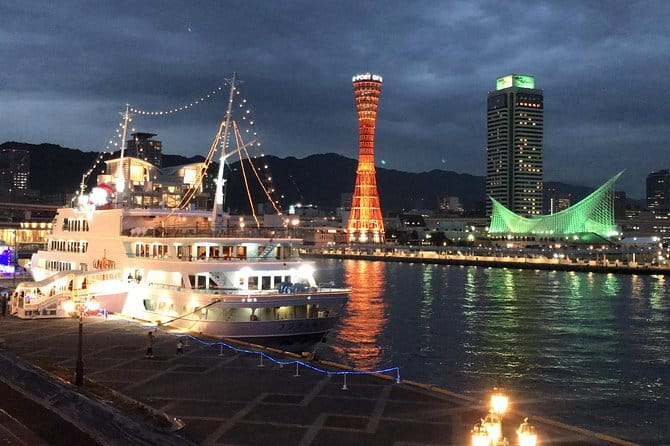
The workshop lasts about one hour and 30 minutes. That is enough time to learn the basic process, make several attempts, and select one piece for firing without turning the class into an all-day commitment.
This length also fits neatly into a day in Arima Onsen. You can schedule it between other activities, though you should allow extra time around the appointment for finding the meeting point and arriving ready to work.
Do not expect a full pottery course in 90 minutes. You will learn the first principles of clay kneading and wheel throwing, but you will not become an expert in one session. The value lies in the focused introduction and the personal object you take home later.
The short format is especially useful if you are adding the workshop to a broader Kobe trip. It offers a craft experience without taking over your day.
The Setting in the Hot-Spring Town
The meeting point is in Arimachō, Kita Ward, Kobe, at 温馨窯1114. The activity is near public transportation, which makes it practical to reach as part of a visit to Arima Onsen.
The workshop ends back at the meeting point. There is no separate return transfer, so you can continue exploring the town on foot or move on to your next planned stop.
The setting gives the class its strongest sense of place. You work inside a beautiful small house in a hot-spring village, surrounded by the atmosphere of Arima rather than an anonymous craft center. One of the most appealing details is the connection between the pottery and the natural hot spring through the special glaze.
You should still check the exact meeting instructions after booking. The provided address includes Japanese characters, which can be useful to show a driver or use in a map app.
Is $52.02 a Fair Price?
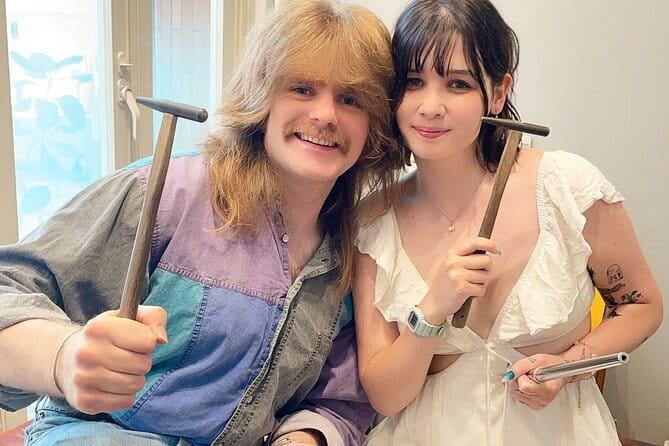
At $52.02 per person, this workshop is not the cheapest way to spend 90 minutes in Arima. It is also more than the price of buying a small ready-made souvenir.
The value comes from what is included: material costs, equipment use, instruction, and the firing fee. You also receive a mini ceramic piece as a keepsake. Since you can try multiple pieces even though only one is fired, the class offers more hands-on time than a simple make-and-take activity.
The firing fee is especially important. You do not have to arrange a separate pottery service after the class. The potter handles the glazing and firing, then prepares the completed work for you.
Shipping is not included. Your finished piece is ready in about three months, and international shipping costs extra. That can change the final price, so include the delivery charge when comparing this with other pottery activities.
I consider the price reasonable if you want an experience rather than just an object. If your main goal is to bring home a cheap souvenir the same day, this is not the right choice.
Waiting Three Months for the Finished Piece
The finished pottery will be ready in about three months. That delay is normal for a piece that needs glazing and firing, but it does require planning.
You will not leave the workshop carrying your main creation. Instead, you take home a mini ceramic piece as a small immediate keepsake, then wait for the fired work to arrive later.
International shipping is available for an additional fee. Be sure the provider has the correct delivery information before you leave, especially if your trip includes several hotels or a return home shortly after the activity.
The wait can become part of the appeal. Your finished cup, bowl, or plate arrives after the trip, bringing back a specific memory of Arima. Still, if you need an item in your suitcase that day, the mini keepsake is the only immediate ceramic souvenir provided.
Practical Details Before You Book
Confirmation is provided at the time of booking, and a mobile ticket is available. The activity is near public transportation, but the exact route and local walking conditions are not specified, so allow enough time to reach the studio.
Most people can take part, but long fingernails make the activity difficult. This is worth taking seriously. Your fingers need to press and guide the clay, and long nails can interfere with the work or make it uncomfortable.
No prior pottery experience is required. The activity is built for beginners, and the potter provides guidance throughout the wheel-throwing process.
Free cancellation is available if you cancel at least 24 hours before the local start time. Cancellations or changes made less than 24 hours before the start time are not refunded or accepted.
Who Will Enjoy This Pottery Class Most
I would choose this workshop if you want a slower, more personal activity in Arima Onsen. It suits couples, families, and small groups who like making something with their hands and do not mind waiting for the final result.
It is also a good match for first-time potters. The professional instruction, private format, and chance to try several pieces make the class less demanding than a formal multi-session course.
You may want to skip it if your schedule is packed, your nails are long, or you need to leave Japan with the finished pottery in your luggage. The three-month wait and extra shipping fee are central parts of the plan, not minor details.
The activity also works well for anyone who values atmosphere. The beautiful house, the peaceful craft process, and the link to Arima’s hot-spring water give the class more character than a basic wheel lesson.
Should You Book This Arima Pottery Workshop?
Book it if you want to slow down in Arima Onsen and make a personal souvenir under expert guidance. The best features are the private format, the chance to practice on an electric wheel, and the choice of an Arima mineral-water glaze.
The $52.02 price is fair for instruction, materials, equipment, firing, and a mini keepsake, but remember that international shipping costs extra. I would also book early, since the experience is commonly reserved about 19 days ahead.
Skip it if you want instant results or a low-cost souvenir. Choose it if the making matters as much as the finished piece, and if waiting about three months for your fired pottery feels like a pleasant reminder of your time in the hot-spring town.
FAQ
Where does the pottery workshop take place?
The workshop takes place at 温馨窯1114, Arimachō, Kita Ward, Kobe, Hyogo 651-1401, Japan, in the Arima Onsen area.
How long does the activity last?
The workshop lasts approximately one hour and 30 minutes.
Do I need pottery experience?
No. The workshop is suitable for beginners, and a professional potter with more than 20 years of experience provides guidance.
What can I make?
You can shape a plate, tea bowl, or cup on an electric potter’s wheel.
Can I make more than one piece?
You can try multiple pieces, but only one piece will be glazed, fired, and finished.
Is the firing fee included?
Yes. Material costs, equipment usage fees, and the firing fee are included. Shipping is not included.
When will my finished pottery be ready?
Your finished piece will be ready in about three months. International shipping is available for an additional fee.
Newly listed around Japan
- 2-Hour Oriental Body and Head Massage in Kyoto Japan★ 5.0 · 9 reviews
- Guide tour of Japanese bathing culture at Funaoka Onsen★ 5.0 · 15 reviews
- Kobe Guided Tour Including Port Area and Arima Onsen Town★ 4.5 · 5 reviews
- Hot Spring Town Walking Tour in Shima Onsen★ 5.0 · 7 reviews
- Full Day Tour to Kurobe Gorge and Unazuki Onsen from Kanazawa★ 5.0 · 17 reviews
- Mt. Inunaki Trekking and Hot Springs in Izumisano, Osaka★ 5.0 · 3 reviews
- Kinosaki Onsen Cycling Tour Kinosaki & Riverside Experience★ 5.0 · 5 reviews
- Sauna experience with great view & tour to enjoy food, blue beer★ 5.0 · 2 reviews
Japanese Onsen Experiences, compared.

Himeji Castle, Arima Onsen & Mt. Rokko Day Tour
Read our review →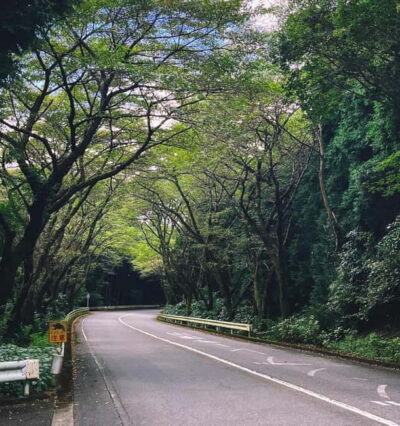
Private Tour to Fuji/Hakone – Onsen, Art, Nature
Read our review →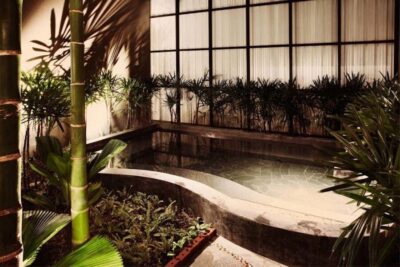
All-Day Pass to Yunomori Sathorn Onsen Bath and Spa
Read our review →
Mt. Fuji, Hakone Private Tour from Tokyo – Onsen, Arts and Nature
Read our review →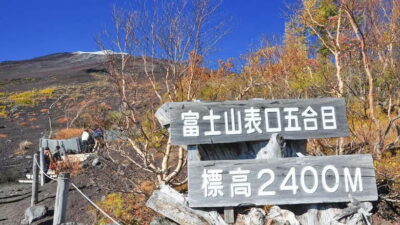
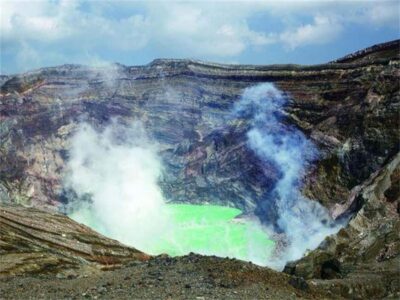
From Fukuoka: Mount Aso, Kurokawa Onsen, and Shrine Tour
Read our review →
Private Nagano 1-Day Tour:Snow Monkeys,Zenko-ji,Obuse,Sake,Onsen
Read our review →Browse the lists this tour appears in