
Review · JAPANESE ONSEN EXPERIENCES
Solaniwa Onsen: Osaka Bay Tower
Solaniwa Onsen turns a bathhouse into a small Osaka hot-spring town, complete with festival-style games, food stalls, a rooftop garden, and nine bathing areas. Its natural water rises from about 1,000 meters underground, yet the whole place sits in the middle of the city.
I like the English-friendly layout and the freedom to stay for a few hours or most of the day. I also like the Tenku Garden, where footbaths, waterfalls, seasonal plants, and a thousand torii gates create a quiet break from the indoor activity. The main drawback is cost: admission pricing is not supplied here, and food, drinks, and some activities can feel expensive. You also pay a 150-yen bathing tax on-site.
Key points at a glance
- Nine different baths: Try an open-air bath, garden-view bath, and carbonated spring bath filled with slightly alkaline natural water.
- A 3,000-square-meter rooftop garden: Tenku Garden includes footbaths, seasonal flowers, waterfalls, and a thousand torii gates.
- More than bathing: You can also find saunas, scrubbers, food, arcade games, festival-style stalls, gacha stations, live shows, and a fish foot spa.
- Good for a long Osaka break: The mobile ticket covers admission, towels, and in-house clothes, so you can settle in without packing much.
- Easy access: The complex is near public transportation, with Bentencho Station on the JR Osaka Loop Line serving as a practical route.
- Check the tattoo rule carefully: The stated policy excludes people with tattoos, tattoo stickers or paint, and gang affiliations, although one account describes tattoo-cover patches. Confirm before booking.
A hot-spring town inside Osaka Bay Tower
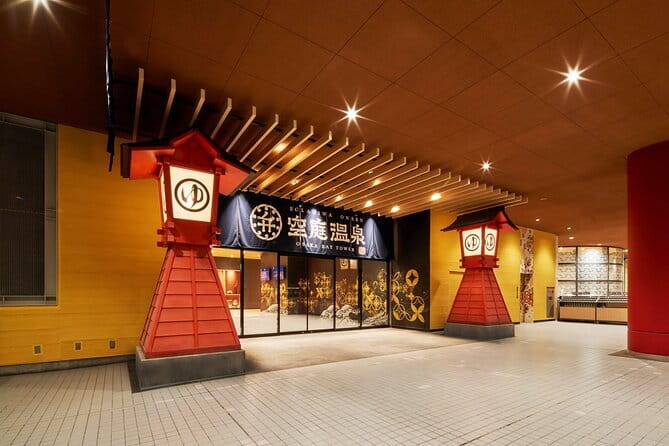
Solaniwa Onsen is not a quick soak tucked behind a station. It is designed as a full outing, with bathing, food, games, garden time, and traditional Japanese touches gathered under one roof.
That design gives you two different experiences. You can treat the place as a simple bathhouse and leave after a couple of hours. Or you can make it a half-day stop, changing into the supplied in-house clothes and moving between the baths, rooftop garden, dining area, and entertainment corners.
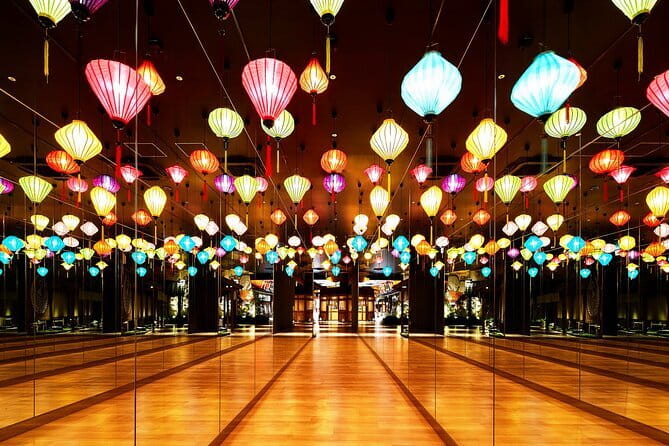
The setting aims for an Edo-period Japanese atmosphere rather than a plain modern spa. Festival-style decorations, classic bathhouse details, gacha machines, and game areas give the complex a playful feel. You get a taste of old Japan, but with plenty of modern comfort and clear information for international visitors.
That combination works especially well if you want to try a Japanese onsen but feel unsure about a small, local bathhouse. Solaniwa is a large commercial facility, so you may lose some of the quiet, local character of a neighborhood sento. In exchange, you get a more forgiving introduction, indoor entertainment, and staff systems built for a broad audience.
More Onsen Experiences in Osaka:
- From Osaka: Himeji Castle, Arima Onsen & Mt. Rokko Day Tour
★ 4.6 · 339 reviews - Osaka: Solaniwa Onsen Hot Spring Visit
★ 4.6 · 51 reviews - Himeji Castle, Arima Onsen & Mt. Rokko: 1-Day Bus Tour from Osaka
★ 4.0 · 28 reviews
Reaching Bentencho and getting settled
Solaniwa Onsen is near public transportation in the Bentencho area. The JR Osaka Loop Line serves Bentencho Station, and clear directions make the final approach manageable.
You receive a mobile ticket, and confirmation is issued when you book. Admission includes bath towels, face towels, and in-house clothes. That matters because you can arrive with a small day bag rather than carrying your own bath setup.
Once inside, the in-house clothing helps the facility feel more like a resort than a place where you simply wash and leave. You can move around the public areas in a consistent outfit, eat, play games, and visit the garden without changing back into street clothes after every activity.
Plan your first visit around four hours if you want a proper soak and a look at the garden. The stated visit range is roughly four to twelve hours, so the complex is built for lingering. You may spend longer than planned if you add a meal, sauna time, games, the fish foot spa, or a live show.
There is no re-entry. Once you leave, you cannot come back in on the same admission, so collect anything you need before heading out. This is an important detail if you were thinking of using Solaniwa as a morning stop and returning after sightseeing.
The nine baths and natural spring water
The main reason to come is the bath area. The water is a slightly alkaline natural hot spring called Beautiful Hada no Yu, drawn from about 1,000 meters underground.
The facility offers nine types of baths. The options specifically include an open-air bath, a garden-view bath, and a carbonated spring bath. Each gives you a different way to slow down, and the variety makes a longer visit worthwhile.
The open-air bath provides the classic hot-spring experience, with fresh air around you even though you are in an urban complex. The garden-view bath adds a visual element, while the carbonated spring bath offers a different bathing sensation from the natural spring pools.
You should think of the bath area as a place to rotate through rather than rush. Start with a short soak, take a break, then try another bath or the sauna. The supplied towels make it easy to dry off between rounds.
Saunas and scrubbers are also available. The scrubbers are useful if you want a more traditional bathhouse treatment, but you should treat them as an optional extra rather than a reason to book the whole experience. The main value comes from having several baths and relaxation areas in one place.
The facilities have been described as clean and new, which is important in a public bathing complex. Cleanliness does not make the experience authentic by itself, but it does make the first visit less stressful, especially if you are still learning Japanese bathing customs.
Tenku Garden and the thousand torii gates
The rooftop Tenku Garden covers about 3,000 square meters. It is one of Solaniwa’s most appealing features because it gives you open air and greenery in the middle of Osaka.
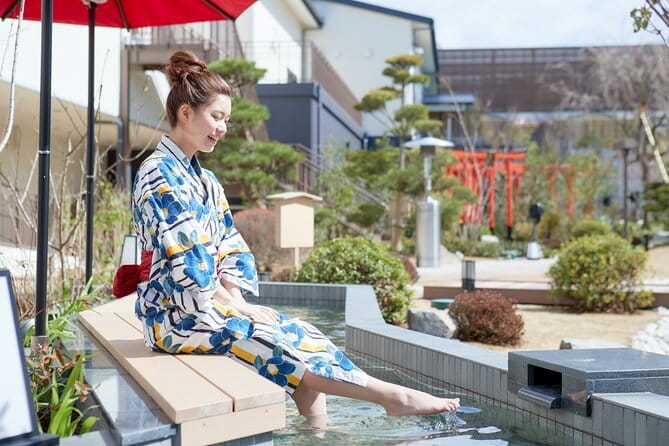
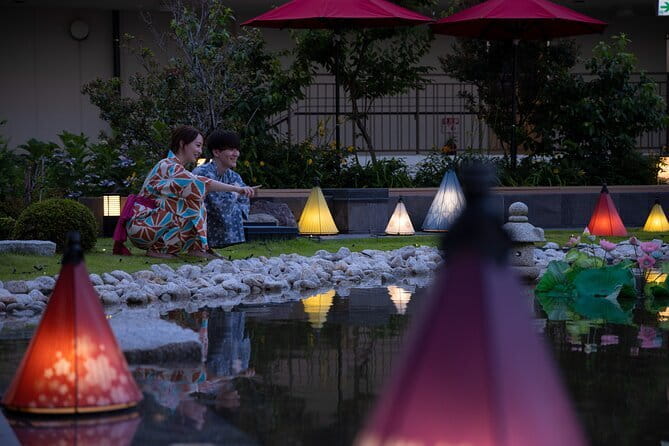
You can use the footbath area while looking at seasonal trees and flowers. The garden also includes waterfalls, displays, and a thousand torii gates. Together, these features create a strong visual break from the large indoor bathhouse.
I would save the garden for after your first bath, when you are warm and relaxed. A footbath lets you continue resting without returning immediately to a hot full-body soak. It also gives you a reason to spend time outdoors instead of treating the garden as a quick photo stop.
The garden is decorative rather than an untouched temple setting. That distinction matters. You are not visiting a historic shrine complex or a remote mountain hot spring. You are enjoying a carefully built Japanese-themed garden on a city rooftop.
Still, the idea works. Water, plants, torii gates, and footbaths give Solaniwa a sense of space that a normal indoor spa cannot match. For many people, this will be the most memorable part of the visit after the baths.
More ways to unwind around Osaka:
- Osaka Temple Head Spa &Matcha Facial – Refresh & Glow〈90min〉
★ 5.0 · 24 reviews - Osaka Temple :Warm Bamboo Oil Massage – Deep Restore〈60min〉
★ 4.9 · 19 reviews - Osaka: Tennen Onsen Naniwa-no-Yu, the famous hot spring spa
★ 4.7 · 19 reviews - Private Car Day Trip to the Kobe Mountains, Gardens and Hot Springs from Osaka
★ 4.5 · 16 reviews
Food, games, and a family-friendly side
Solaniwa offers more than bathing. Inside, you may find a restaurant with a broad selection of Japanese food, arcade games, carnival-style games, festival stalls, gacha stations, live shows, and a fish foot spa.
This mix gives the complex a different mood from a quiet ryokan. You can have a peaceful soak, then step into a busier entertainment zone. That may be ideal for a group with different interests, but it can feel less restful if you expected silence from beginning to end.
The food selection makes staying for several hours practical. You do not need to leave the complex for a meal, but prices for food and drinks may run higher than outside. If value matters, compare the cost of eating inside with a meal before or after your visit.
The arcade and carnival-style games are especially useful for families or groups where not everyone wants to spend the full day in the baths. A fish foot spa adds another low-commitment activity. You can also check the schedule for live shows, although no specific performance schedule is provided here.
The entertainment areas also explain why Solaniwa can feel like a theme park. That is a strength if you want variety. It is a weakness if your ideal onsen is small, quiet, and focused only on hot water.
How long should you stay?
For a short visit, allow about four hours. That gives you time to change, use several baths, visit the garden, and rest without hurrying.
A longer stay of six hours or more makes sense if you want to add the sauna, food, games, fish foot spa, or a live show. The facility permits visits of roughly four to twelve hours, so you can build the day around your energy level.
A twelve-hour stay may suit someone using Solaniwa as a slow recovery day between sightseeing plans. You can bathe, rest, eat, and return to the baths. Just remember that you cannot leave and re-enter.
An evening visit may offer better value. An account of the facility notes a public discount from 5:00 PM onward, but the exact discount is not given here. Check the current terms before planning around it.
The age rules also affect timing. Groups under 16 may use the facility until 7:00 PM. Groups under 18 may stay until 10:00 PM. These limits are easy to overlook, so families should plan their visit accordingly.
Price, value, and extra charges
The supplied price is shown as $0.00, but that should not be treated as the actual total cost of entry. The admission amount is not provided, so check the current booking price before you commit.
What you receive for admission is clear: entry, bath towels, face towels, and in-house clothes. Those inclusions add value because you do not need to rent basic bathing items separately.
You also pay a 150-yen bathing tax on-site. Parking is not included, and any parking fee is your responsibility. Food, drinks, games, and other paid services may add to the final bill.
The best value comes when you stay several hours and use several parts of the complex. A quick bath may make the admission feel high, especially if you also buy a meal. A half-day visit makes better use of the included clothing, towels, baths, garden, and relaxation time.
Tattoo rules and other practical limits
The stated rules say that people with tattoos, tattoo stickers or paint, gang affiliations, or alcohol impairment cannot use the service. Take this seriously before booking.
One account describes the facility as tattoo-friendly and says patches are offered to cover tattoos, with a private bath booked as well. That conflicts with the stated access rule. Because policies can change or vary by tattoo size, covering method, or bath type, you should confirm directly before paying.
The ticket cannot be combined with other discounts or services. It is also non-refundable and cannot be changed after purchase. Since you cannot cancel for a refund, check the date, age rules, tattoo policy, and final price first.
Most people can participate, and the facility is near public transportation. No specific accessibility details are provided, so if you need special assistance, ask before booking rather than assuming the large size of the complex guarantees every feature you need.
Who will enjoy Solaniwa most?
I would recommend Solaniwa to you if you want an easy, polished introduction to Japanese bathing. English information, supplied towels and clothing, clear transport access, and a wide range of activities remove much of the uncertainty that can come with a traditional bathhouse.
It also suits families and mixed groups. One person can use the baths while another plays games, visits the garden, eats, or tries the fish foot spa. The age cutoffs still matter, especially in the evening.
Couples and friends may enjoy the balance of bathing and sightseeing. You can spend time together in the garden and food areas, then use the separate bathing facilities according to Japanese onsen custom.
I would be more cautious if you want a silent, deeply traditional ryokan stay. Solaniwa provides a traditional ryokan-style atmosphere, but it is also a large entertainment complex with arcade games, food areas, and festival displays. The experience is theatrical and convenient, not rural or secluded.
Should you book Solaniwa Onsen?
Book it if you want variety, easy access, and a full half-day outing rather than a brief bath. The combination of nine baths, natural spring water, saunas, the Tenku Garden, food, and games gives you plenty to do.
Before booking, confirm the actual admission price, the 150-yen bathing tax, any food and activity costs, and the tattoo policy. If you want the best value, stay long enough to use more than just the main baths. If you want a quiet, simple soak, a smaller local bathhouse may suit you better.
FAQ
Where is Solaniwa Onsen located?
Solaniwa Onsen is at Osaka Bay Tower in Osaka, Japan, near public transportation in the Bentencho area.
How long can I stay?
The expected visit length is about four to twelve hours.
What does admission include?
Admission includes the entry fee, bath towels, face towels, and in-house clothes.
Is the bathing tax included?
No. A 150-yen bathing tax must be paid on-site.
Is parking included?
No. Parking fees are not included.
Can I leave and come back later?
No. Temporary exits and re-entry are not allowed.
How many baths are available?
There are nine types of baths, including an open-air bath, a garden-view bath, and a carbonated spring bath.
What is Tenku Garden?
Tenku Garden is a rooftop garden of about 3,000 square meters. It includes a footbath area, seasonal trees and flowers, waterfalls, and a thousand torii gates.
Are towels provided?
Yes. Bath towels and face towels are included, along with in-house clothes.
Can people with tattoos use the facility?
The stated rules say people with tattoos, tattoo stickers, or tattoo paint cannot use the service. One account describes tattoo-cover patches, but the policies conflict, so confirm directly before booking.
Newly listed around Osaka
- Private Car Day Trip to the Kobe Mountains, Gardens and Hot Springs from Osaka★ 4.5 · 16 reviews
- Osaka:Bamboo Healing Massage at the Temple <90-min>★ 5.0 · 9 reviews
- Kobe Night View Mt Rokko Kitano Ijinkan Arima Onsen Day Trip★ 5.0 · 5 reviews
- Osaka: Nara, Todaiji, Uji Matcha, and Hot Spring Tour★ 4.0 · 7 reviews
- Osaka Reiki Healing and Aroma Massage At The Temple<120min>★ 5.0 · 2 reviews
- ZEN therapy | Shiatsu-style massage, EnergyTherapy & Japanese Tea★ 5.0 · 5 reviews
- Osaka Temple :Warm Bamboo Oil Massage – Deep Restore〈60min〉★ 4.9 · 19 reviews
- Osaka: Tennen Onsen Naniwa-no-Yu, the famous hot spring spa★ 4.7 · 19 reviews
Japanese Onsen Experiences, compared.
Himeji Castle, Arima Onsen & Mt. Rokko Day Tour
Read our review →
Private Tour to Fuji/Hakone – Onsen, Art, Nature
Read our review →
All-Day Pass to Yunomori Sathorn Onsen Bath and Spa
Read our review →
Mt. Fuji, Hakone Private Tour from Tokyo – Onsen, Arts and Nature
Read our review →
From Fukuoka: Mount Aso, Kurokawa Onsen, and Shrine Tour
Read our review →
Private Nagano 1-Day Tour:Snow Monkeys,Zenko-ji,Obuse,Sake,Onsen
Read our review →Browse the lists this tour appears in