Review · TOURS
Bhutan Spiritual & Wellness Tour Package With Monastic Stay
Bhutan’s spiritual life is the heart of this seven-day private tour, not a side note between sightseeing stops. You visit working monasteries, join morning prayers, try meditation, and sleep at Gangtey Monastery, while still seeing Tiger’s Nest, Punakha Dzong, and the great Buddha above Thimphu. I like the personal scale, since your guide can adjust the pace for your party, and I like that the price includes meals, transport, visa fees, and Bhutan’s daily Sustainable Development Fee. The main trade-off is that this is a full route with long drives, early prayer, and several hikes, so it is not a lazy wellness retreat.
I also like the human care built into the arrangements. Thinley handles planning, while guide Pema and driver Nima have been praised for being respectful, professional, and helpful. Ask in advance about the exact meditation, astrology, and ritual schedule, since the program is customizable and the published stops do not promise the same class every day.
Key points to know before booking
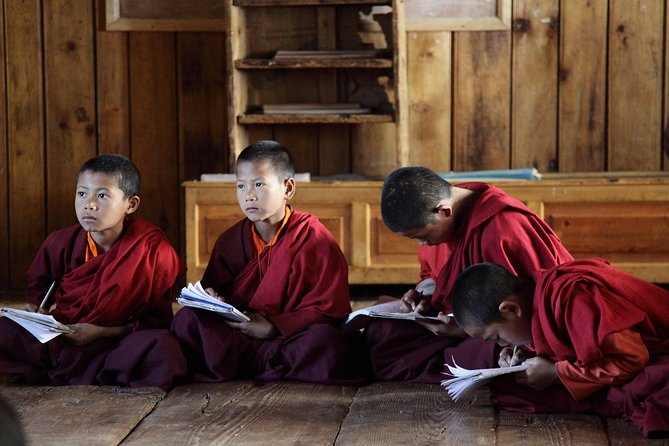
- One night at Gangtey Monastery: You can attend morning prayer from 5:30 to 6:15 AM and an evening meditation class from 5:30 to 6:30 PM.
- Bhutan’s major sacred sights: The route includes Tiger’s Nest, Punakha Dzong, Kyichu Lhakhang, Dra Karpo, Chimi Lhakhang, and several temples around Paro.
- Private travel for your party: Transportation is included, and the itinerary can be adjusted to suit your group.
- Strong price coverage: The $2,200 cost includes accommodation, meals, internal taxes, Bhutan’s $100 nightly SDF, visa fees, and private transport.
- A physically active week: Tiger’s Nest, Khamsum Yulley Namgyal Chorten, and the Gangtey nature trail require walking or hiking.
- A real spiritual focus: You can join Buddhist rituals, learn about Bhutanese astrology, and study Mahayana Buddhist traditions with a professional guide.
What this Bhutan wellness tour is really about
I would choose this trip for access to Bhutan’s religious life, not simply for a checklist of monuments. The most valuable parts are the pauses: watching people circumambulate Thimphu Chorten, sitting in a monastery for prayer, and setting aside time for meditation instead of racing from one photo stop to the next.
The experience is private, so you are not tied to a large bus group. That matters in Bhutan, where a short visit can feel rushed if every stop runs on a fixed schedule. Your guide can explain what you are seeing and may be able to shape the day around your interests, though you should confirm any special teaching or ceremony before you arrive.
The advertised price is $2,200 per person. That sounds high until you count what is covered. Seven nights of accommodation, seven breakfasts, six lunches, six dinners, private transportation, entry fees, the Bhutan visa, internal charges, and the $100 per person per night government SDF are included. Airfare, insurance, laundry, alcohol, other beverages, and a $350 single supplement are not included.
The value depends on your travel style. If you want an independent, low-cost trip with simple public transport, this is not the right product. If you want one organized price, a private vehicle, local guidance, and direct contact with Bhutan’s spiritual traditions, the package covers many expensive and complicated pieces.
More ways to unwind around the world:
- Budapest: Széchenyi Spa Day Ticket with Optional Upgrades
★ 4.3 · 23,911 reviews - Santorini: Volcanic Islands Cruise with Hot Springs Visit
★ 4.4 · 10,869 reviews - Krakow–Zakopane: Cable Car, Chocholow Baths, Cheese & Vodka
★ 5.0 · 10,720 reviews
Day 1: Thimphu’s government, Buddha, and daily devotion
The first sightseeing day introduces three different sides of Thimphu. At Tashichho Dzong, you see one of Bhutan’s finest examples of traditional architecture. It serves as the seat of the Royal Government and the Central Monastic Body, so this is not just an old building preserved for tourists. If timing allows, you can witness the lowering of the flag.
The visit lasts about an hour, with admission included. I would pay attention to the scale and design of the dzong rather than treating it as a quick courtyard stop. Your guide can help connect the building’s political and religious roles.
Next comes Buddha Dordenma, a giant statue high above Thimphu Valley. The statue was built to bestow peace, blessings, and happiness on the world. The site also gives you a broad view over the valley, making it a useful place to understand Thimphu’s setting.
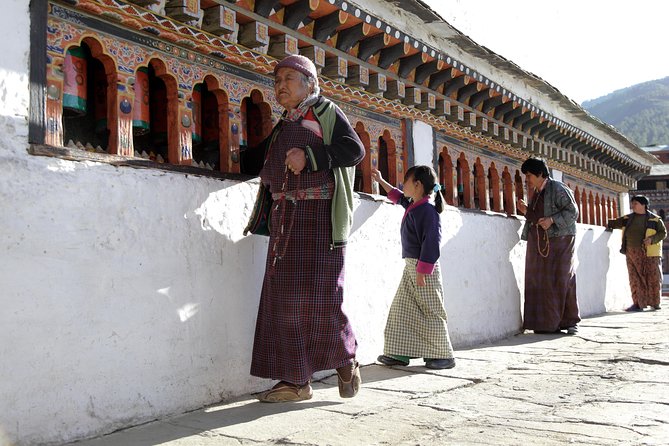
At Thimphu Chorten, you see a more active form of worship. Built in 1974, the chorten is easy for local residents to reach, and elderly Bhutanese people spend long periods prostrating, walking around the shrine, and chanting. I like this stop because you are watching religious practice as part of ordinary life, not only entering a silent historic monument.
Allow yourself to be observant and respectful here. This is a place of prayer, and the people around you are not part of a staged cultural display.
Day 2: Dochu La, Gangtey Valley, and a monastery night
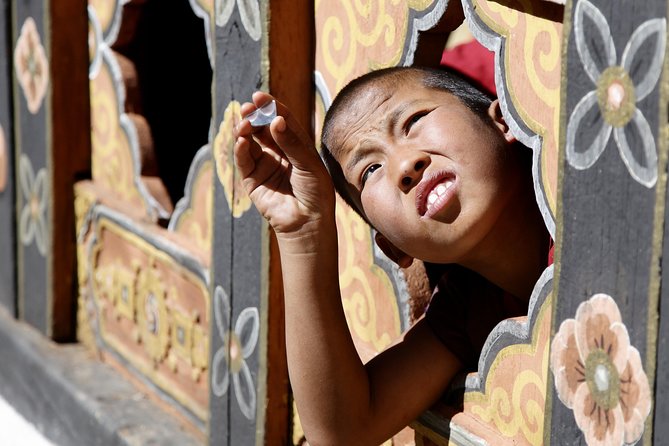
The road to Gangtey crosses Dochu La at 3,088 meters, or about 10,130 feet. You stop to see the 108 chortens, prayer flags, and mani wall. Clear weather may reveal mountain views, but the stop is still worthwhile when clouds cover the high peaks because the memorial structures and religious symbols give the pass its character.
The route then reaches Gangtey Valley, where you take a short nature walk of about 90 minutes. The trail begins near a mani stone wall north of Gangtey Gonpa and ends in the valley area. It is described as one of Bhutan’s shortest existing nature trails, which makes it a manageable introduction to walking in the region.
The key part of the day is Gangtey Monastery, also called Gangteng Goenpa. It was established in 1613 and is the main seat of the Pema Lingpa tradition. The monastery overlooks Phobjikha Valley, and your overnight stay gives you something most temple visits cannot: time.
You may take part in evening prayer, depending on the schedule. The overnight arrangement is simple in concept but important in practice. You are not just stopping for a photograph before returning to a hotel. You have a chance to settle into the setting and learn how a religious community marks the day.
Expect an early start the next morning. The monastery schedule lists morning prayer from 5:30 to 6:15 AM. That is an excellent opportunity if you want a genuine spiritual experience, but it will not suit anyone hoping to sleep late.
Day 3: Prayer and meditation at Gangtey
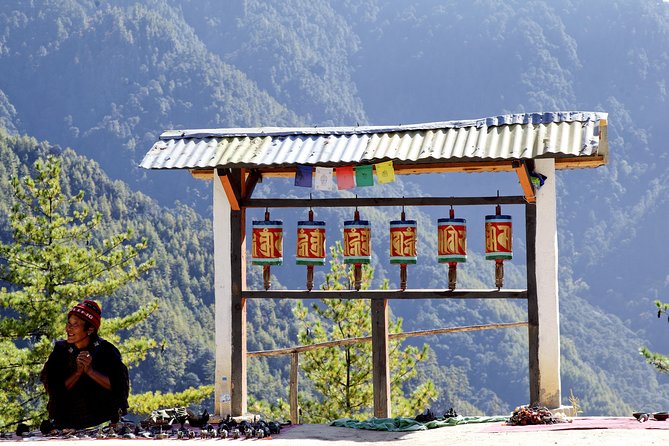
Day 3 gives the tour its clearest wellness focus. You can join the morning prayer and attend an evening meditation class from 5:30 to 6:30 PM. The meditation topics may include Samatha meditation, loving-kindness, or Vipassana.
These are different approaches, so ask your guide what will be taught during your stay. The published program does not promise one fixed subject. That flexibility can be useful, especially if your group has a particular interest, but it also means you should not book expecting a long formal retreat with a set curriculum.
I like the fact that meditation is placed inside the monastery stay rather than added as a quick hotel activity. You have the surrounding religious setting and a full day to slow down. At the same time, this is still a sightseeing tour. The schedule includes major drives and temples, so you should think of it as a spiritual tour with wellness elements, not a dedicated meditation retreat.
Same place, a different hour on the table:
- Bali: Mount Batur Sunrise Guided Hike and Natural Hot Spring
★ 4.8 · 9,284 reviews - Reykjavik: Sky Lagoon Entrance Pass With 7-Step Spa Ritual
★ 4.8 · 6,166 reviews - Krakow: Zakopane, Thermal Springs, Cable Car, Local Tasting
★ 4.8 · 5,419 reviews - Chiang Mai: Chiang Rai Temples, Karen Tribe and Hot Springs
★ 4.7 · 5,401 reviews
Day 4: Punakha Dzong, Chimi Lhakhang, and a hilltop chorten
Punakha Dzong is one of the visual high points of the week. This 17th-century fortress-monastery sits at the meeting point of the Mo and Pho Rivers. The setting is striking, but the building matters just as much. A dzong combines religious and administrative roles, giving you another clear example of how Bhutan’s government and Buddhist institutions have long shared space.
The scheduled visit is lengthy, about seven and a half hours for the stop, so this is not a rushed exterior viewing. Take comfortable walking shoes and expect time on foot.
You can then make an optional short walk across rice paddies to Chimi Lhakhang. The temple is linked to Lama Drukpa Kunley, a colorful religious figure known for subduing a demoness at Dochu La in local legend. The walk adds a rural view to the day, while the temple offers a different tone from the formal dzongs.
After lunch, you hike to Khamsum Yulley Namgyal Chorten. Built by Queen Mother Ashi Tshering Yangdon Wangchuck, the chorten is a fine example of Bhutanese architecture. The approach takes about 90 minutes, and the route is part of the appeal. I would treat this as a proper short hike rather than a simple roadside stop.
Day 4 is one of the more active days. If your knees, stamina, or walking confidence are limited, tell the operator early so the private format can work in your favor. The tour says most people can participate, but that does not mean every walk will feel easy for every person.
Day 5: Dra Karpo and the sacred side of Paro
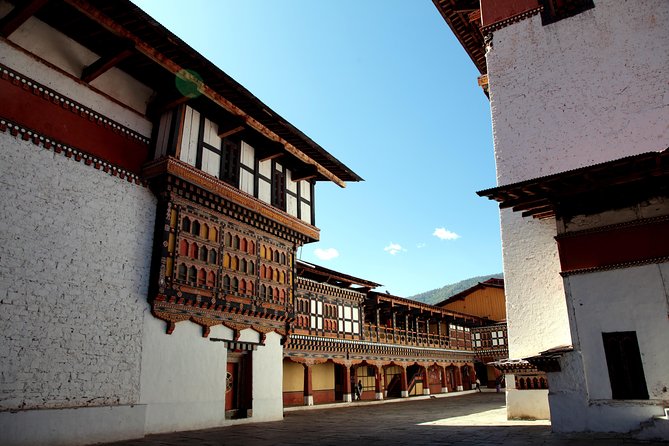
Dra Karpo sits on a small hill in Paro Valley. Its name means Split Rock, and it is regarded as one of Bhutan’s holiest sites. Guru Padmasambhava, also known as Guru Rinpoche, is associated with the monastery, along with his consort Dakini Yeshey Tshogyal and other religious figures.
The visit lasts about 90 minutes and has no separate admission fee listed. This is the kind of stop that benefits from a good guide. The meaning is not obvious from the outside, and the site’s importance comes from its religious associations as much as from its physical setting.
Compared with Tiger’s Nest, Dra Karpo is less of a headline attraction. That is exactly why I would keep it in the schedule. It provides a quieter look at Paro’s sacred places before the major hike on Day 6.
Day 6: Tiger’s Nest, Kyichu Lhakhang, and Dzongdrakha
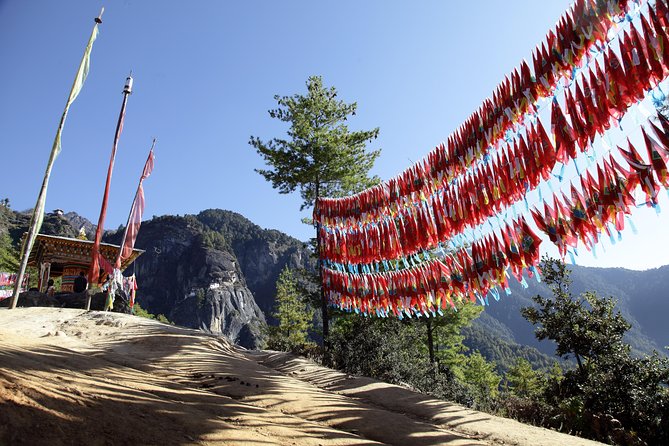
The hike to Paro Taktsang, better known as Tiger’s Nest, takes about five hours. The monastery is one of Bhutan’s holiest and most beautiful sites, perched in the cliffs above Paro. Its name comes from the story that Guru Rinpoche arrived there on the back of a tigress in the eighth century.
This is the trip’s most demanding and famous outing. Five hours is a substantial block of time, and the route includes uphill walking. Plan for a slow pace, sensible shoes, and enough time to stop. Your private guide can help you avoid the pressure of keeping up with a large group, but the climb still requires effort.
Do not judge the day only by the final viewpoint. The climb gives you time to think about why this site became important and why it continues to draw pilgrims. Once inside or near the monastery, follow instructions about photography and conduct.
Kyichu Lhakhang follows, with a visit of about 45 minutes. It is one of Bhutan’s oldest temples, giving you a smaller and older sacred setting after the scale and exertion of Tiger’s Nest.
The final stop is Dzongdrakha Temple, another holy place in Paro where great masters are said to have meditated. The detour lasts about an hour. After the long hike, this may feel like a lot, but it adds another layer to the valley’s religious story.
Day 7: A simple airport farewell
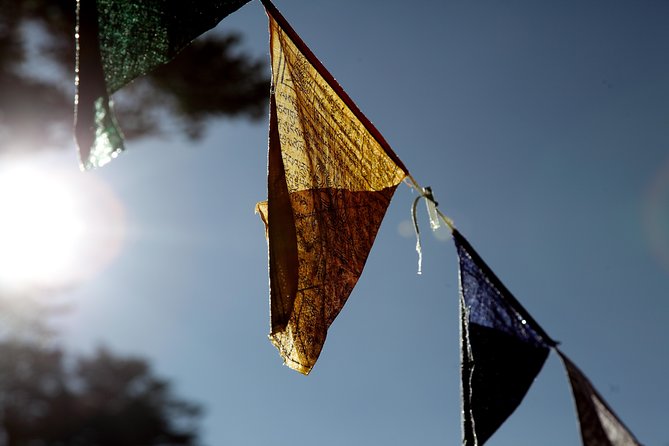
The final day is brief. The tour team drives you to the airport and says farewell, with about 30 minutes allotted for the transfer. Since no sightseeing is listed, keep your last morning simple and confirm the departure timing with the operator.
The package includes breakfast on all seven days, while lunch and dinner are included on six days. That matches the short final day, but you should still check exactly what is planned if your flight leaves very early.
Guides, transport, and the private format
The tour is for your party alone, not a shared group. Private transportation is included, which is especially useful for a route covering Thimphu, Dochu La, Gangtey, Punakha, and Paro. You will spend time on the road, so having a dedicated driver matters.
The named team associated with this experience includes Thinley for planning, guide Pema, and driver Nima. Pema and Nima have been praised for respectful, professional service, while Thinley is noted for being helpful during the planning stage. Those details matter because the quality of a spiritual tour depends heavily on how carefully the guide explains religious customs and how comfortably the driver handles the route.
You receive mineral water and all meals listed in the package. Alcohol and other beverages are extra, as is laundry. Ask about dietary needs before arrival rather than assuming every request can be handled on short notice.
The tour is generally open to most people, but the itinerary includes high-altitude roads, walking trails, the Khamsum hike, and the five-hour Tiger’s Nest outing. The private format lets you discuss pace and priorities, but it does not remove the physical demands.
Is $2,200 a fair price?
I think the price is reasonable for a private Bhutan package when you use most of what is included. The $100 nightly SDF alone represents $700 for a seven-night stay. Add accommodation, six dinners, six lunches, seven breakfasts, private transport, entry fees, visa processing, taxes, and a guide, and the total becomes easier to understand.
The price is less attractive if you are mainly interested in sightseeing and do not care about the monastery night, prayer, or meditation. You would be paying for a spiritual program that you may not use.
Solo visitors should add the $350 single supplement. Everyone should budget separately for international airfare, travel insurance, laundry, alcohol, and beverages. The tour can be canceled for a full refund if you cancel at least 24 hours before the start time. Changes made inside that window are not accepted, and late cancellations are not refunded.
Who should book this experience?
I would recommend it to you if you want Bhutan’s temples explained in a personal setting and like the idea of taking part in prayer or meditation. It also suits first-time visitors who prefer one organized price and do not want to arrange separate vehicles, hotels, entry fees, and the Bhutan visa.
It is a good fit for couples, families, or friends who want a private route with room to adjust the schedule. It is less suitable if you want nightlife, independent wandering, long lie-ins, or a pure spa holiday. The word wellness here means prayer, meditation, Buddhist teaching, and time in monasteries, not a resort treatment program.
Should you book the Bhutan Spiritual and Wellness Tour?
Book it if the Gangtey monastery stay is the part that catches your attention. That overnight, along with morning prayer and evening meditation, gives the week its purpose. Tiger’s Nest and Punakha Dzong are major sights, but the quieter religious moments are what make this package different from a standard Bhutan circuit.
Before paying, ask for the exact accommodation details, the planned meditation subject, the available astrology session, and how much flexibility you have on walking days. If Pema and Nima are assigned to your departure, you will have a team with a strong record for thoughtful service. For a private, organized introduction to Bhutanese spirituality, the package offers solid value, provided you are ready for early mornings, long drives, and serious walking.
FAQ
How long is the Bhutan Spiritual and Wellness Tour?
The tour lasts approximately seven days.
What is included in the $2,200 price?
The price includes accommodation, entry fees, internal taxes and charges, Bhutan’s $100 per person per night Sustainable Development Fee, the Bhutan visa, private transportation, seven breakfasts, six lunches, and six dinners.
Is airfare included?
No. International or other airfare is not included.
Is this a private tour?
Yes. Only your group participates, and private transportation is included.
Can I stay at a monastery?
Yes. The itinerary includes an overnight stay at Gangtey Monastery.
Can I attend Buddhist prayers or meditation?
Yes. At Gangtey Monastery, you can participate in morning prayer from 5:30 to 6:15 AM and an evening meditation class from 5:30 to 6:30 PM. The meditation subject may include Samatha, loving-kindness, or Vipassana.
Is the Tiger’s Nest hike included?
Yes. The Day 6 itinerary includes a hike to Paro Taktsang, also called Tiger’s Nest, with about five hours allotted.
Is there a single supplement?
Yes. The single supplement is $350.
What is the cancellation policy?
You can receive a full refund if you cancel at least 24 hours before the experience’s start time. Cancellations or changes made less than 24 hours before the start time are not accepted for a refund.
Newly listed around the world
- Thai Massage★ 4.5 · 17 reviews
- Hiking, eating and relaxing in an 18th century Spa near Oviedo★ 5.0 · 6 reviews
- Natural Indoor Hot Spring and Spa Utah Crater Soak & Swim★ 4.5 · 20 reviews
- La Vallée Village – Parisian Relaxation Shopping Spot – Private Tour★ 5.0 · 2 reviews
- Private Car Day Trip to the Kobe Mountains, Gardens and Hot Springs from Osaka★ 4.5 · 16 reviews
- Mandala Wellness Spa in Boracay★ 4.0 · 5 reviews
- Osaka:Bamboo Healing Massage at the Temple <90-min>★ 5.0 · 9 reviews
- Solaniwa Onsen: Osaka Bay Tower★ 5.0 · 4 reviews
Tours, compared.
Tiger Cave Temple, Emerald Pool and Hot Springs Tour
Read our review →
Zakopane Tour Local Tasting, Cable Car & Hot Springs
Read our review →
Mount Batur: Private Sunrise Jeep Tour & Hot Spring
Read our review →
Mount Batur Shared Jeep Sunrise & Hot Spring Tour
Read our review →
Mount Batur Sunrise Jeep Tour with Optional Activities
Read our review →
Santorini Caldera Cruise Tour (Volcano, Hot Springs, Thirassia)
Read our review →