Review · TOURS
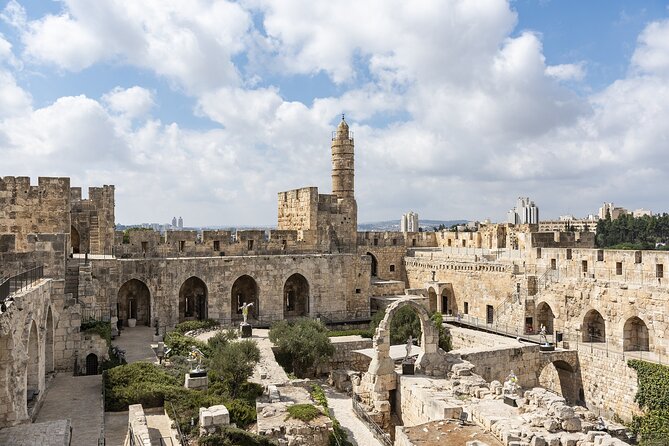
Jerusalem & Dead Sea Private Tour – Visit Holy Jerusalem & Dead Sea Relaxation
Jerusalem’s sacred core and the Dead Sea make an unlikely but effective pair: one fills your day with stone lanes, prayer, and layered stories, while the other lets you stop, float, and rest. I like the private vehicle and guide, which make a long day easier to manage, and I like the clear contrast between Old City walking and Dead Sea relaxation. Guides named Enrique, Saul, and Benjamin have received especially warm praise for clear explanations, humor, punctuality, and care.
The tradeoff is time. You are trying to cover several major Jerusalem sites before driving to the Dead Sea, so this is a highlights tour, not a slow study of the city. The published information also gives two different durations, about 8 to 11 hours and about 12 hours, and lists entrance fees as both included and not included. Confirm those details before paying.
Key points to know before booking
- Two major sights in one long day: Combine Jerusalem’s Old City with the Dead Sea rather than giving each destination a full day.
- A private experience: Only your group participates, with hotel pickup and drop-off in an air-conditioned vehicle.
- A strong religious focus: The route includes Gethsemane, Mount Zion, the Via Dolorosa, the Holy Sepulchre, and the Western Wall.
- A real change of pace: After walking through Jerusalem, you get time to float and use Dead Sea mud at a shore resort.
- Guides shape the day: Enrique, Saul, and Benjamin are praised in the supplied feedback for history, theology, humor, organization, and dependability.
- Plan for heat and modesty: Wear comfortable shoes, bring sun protection and a towel, and dress respectfully for holy places.
One day, two very different Israels
At $220 per person, this is not the cheapest way to see Jerusalem and the Dead Sea. But the price includes a private tour format, an air-conditioned vehicle, hotel pickup and return, and a government-licensed guide. If your time in Israel is tight, avoiding separate transport arrangements can make the cost sensible.
The value depends on your priorities. You are paying for access to two major destinations in one day, plus a guide who can explain the religious and political layers of Jerusalem. You are not getting a leisurely Dead Sea resort day or enough time to examine every corner of the Old City.
The day begins from the Tel Aviv or Herzliya area, according to the tour details, with a morning departure. The drive, walking, traffic, and time at the Dead Sea can push the day toward the longer estimate. I would treat this as a full-day outing, not a casual half-day trip.
More ways to unwind around the world:
- Budapest: Széchenyi Spa Day Ticket with Optional Upgrades
★ 4.3 · 23,911 reviews - Santorini: Volcanic Islands Cruise with Hot Springs Visit
★ 4.4 · 10,869 reviews - Krakow–Zakopane: Cable Car, Chocholow Baths, Cheese & Vodka
★ 5.0 · 10,720 reviews
Mount of Olives: Jerusalem from above
The Mount of Olives is the right opening view. From this high point, you look across toward the Old City and the Temple Mount, with the Judean Desert stretching eastward. It gives you a fast sense of Jerusalem’s setting before you enter its crowded lanes.
This hill matters deeply in Christian tradition. It is linked with Jesus’ route to Bethany, his weeping over Jerusalem, and his ascension. The guide’s role matters here because the view alone cannot explain why this ridge has such weight for Jewish and Christian belief.
You get about 30 minutes at this stop. That is enough for the panorama and an introduction, but not enough for a long, quiet visit. Bring sunglasses and a hat. Morning light can be sharp, and there may be little shade.
Gethsemane and the olive trees
At the foot of the Mount of Olives, Gethsemane brings the morning closer to the ground. The garden is associated with Jesus’ agony and arrest before the crucifixion. Several small olive groves on church property are identified with biblical Gethsemane, so the setting combines tradition, devotion, and uncertainty about the exact original location.
You have about 30 minutes here. That short stop works well for a look at the olive trees and a visit to the church area, though it will feel brief if you want extended quiet or prayer.
This is also one of the places where modest clothing matters. The tour instructions call for respectful dress and head coverings where required. Your guide should help you understand the local customs, but it is best to arrive prepared.
Mount Zion and the Last Supper room
Mount Zion brings together Jewish and Christian traditions. The stop includes King David’s Tomb and the Room of the Last Supper, also called the Cenacle. You have about an hour, making this one of the more generous stops before the main Old City walk.
The tomb is treated as one of Judaism’s sacred sites, though researchers do not agree that it is David’s actual burial place. Biblical references point to the City of David below the Temple Mount. That distinction is useful: you can appreciate the religious importance without mistaking tradition for settled archaeological fact.
Above the tomb, the Last Supper room is linked by tradition with the final meal of Jesus and his disciples. The room you see today has changed over time, and the value of the visit comes less from untouched original fabric than from the long stream of belief connected to it.
This is an excellent place to ask questions. Enrique is praised for explaining ancient and modern Israeli history with humor, while Saul is praised for making Judeo-Christian subjects clear and engaging. The assigned guide can vary, but the private format gives you more room to ask for the emphasis you want.
Same place, a different hour on the table:
- Bali: Mount Batur Sunrise Guided Hike and Natural Hot Spring
★ 4.8 · 9,284 reviews - Reykjavik: Sky Lagoon Entrance Pass With 7-Step Spa Ritual
★ 4.8 · 6,166 reviews - Krakow: Zakopane, Thermal Springs, Cable Car, Local Tasting
★ 4.8 · 5,419 reviews - Chiang Mai: Chiang Rai Temples, Karen Tribe and Hot Springs
★ 4.7 · 5,401 reviews
Walking the Via Dolorosa
The route then moves into the Christian Quarter and the Via Dolorosa. This is a narrow stone path through the Old City, lined with shops, doorways, churches, and places of worship. It represents the route Jesus is traditionally believed to have taken toward crucifixion.
You have about two hours for the Via Dolorosa and related Old City sights. That sounds generous, but the lanes can be slow, and the route is more than a simple walk from point A to point B. You may stop for explanations, enter religious sites, and adjust to the pace of the group.
Wear shoes with good support. The tour covers several quarters and includes substantial walking over uneven stone. This is not the right outing if you want to avoid walking, but most people who can manage a normal city walk should be able to take part.
The best guide will explain the difference between tradition, scripture, archaeology, and present-day practice. That balance matters in Jerusalem. The city can feel confusing when several faiths attach different meanings to the same small area.
Church of the Holy Sepulchre
The Church of the Holy Sepulchre is the Christian heart of the Old City portion. It is associated with the crucifixion, burial, and resurrection of Jesus, and is considered the holiest site in the world by millions of Christians.
The church is not a simple, quiet building. It contains chapels and sacred points connected with different stages of the Passion, and several Christian communities share responsibility for it. Your guide can help you understand why the building feels both intensely holy and architecturally complex.
The listed visit is about an hour. That may allow you to see the main areas, but timing can vary. Religious services, crowds, or restricted access can affect how long you spend in particular sections. The schedule is packed, so do not expect a long personal meditation at every point.
This stop is one reason the tour suits people who want a religious overview rather than a general city tour. If your interest is mainly food, markets, or modern Jerusalem, the route gives you less time for those subjects.
The Cardo and the Jewish Quarter
The Cardo offers a different view of Jerusalem. Instead of focusing on biblical events, you walk along a Roman and Byzantine street uncovered and restored in the Jewish Quarter. The southern section was built during the reign of Emperor Justinian and helped connect major churches in Byzantine Jerusalem.
You get about 30 minutes here. It is a short stop, but it helps you see that Jerusalem is not only a biblical setting. Roman planning, Byzantine building, later communities, excavation, and modern restoration all overlap beneath the present city.
The Cardo also breaks up the religious route. After the emotional weight of the Via Dolorosa and Holy Sepulchre, the remains of the old street give you a more physical sense of how the city developed.
The Western Wall
The Western Wall, or Kotel, is the final major Jerusalem stop. It is part of a much longer retaining wall near the Temple Mount and is the holiest place where Jews are permitted to pray, given current access restrictions on the Temple Mount itself.
You have about 30 minutes. That is enough to approach the plaza, observe the prayer areas, and take in the setting. Dress modestly and follow signs separating the men’s and women’s prayer sections.
The name Wailing Wall is widely known, but Western Wall or Kotel is generally more respectful and more commonly used locally. Your guide can explain the wall’s relationship to the Temple Mount without reducing it to a photo stop.
From Jerusalem to the Dead Sea
After the Old City, the day changes completely. You leave Jerusalem and travel through the Judean hills toward the Dead Sea, also called the Sea of Salt. The water lies in the Jordan Rift Valley between Jordan and the West Bank, at the lowest point on earth.
The Dead Sea stop lasts about two hours at a shore resort. This is not simply a scenic viewpoint. You have time to enter the water, float because of its high salt density, and cover yourself with mineral-rich mud.
The sensation is unusual. You do not swim normally, and you should avoid getting the water in your eyes or swallowing it. The supplied instructions specifically recommend bringing a towel, sunscreen, sunglasses, and a hat. The sun can be intense, even when the water feels pleasant.
Mud is part of the appeal. You can apply it, let it sit briefly, and wash it off in the water or at the resort facilities. The tour describes the mud as therapeutic, but you should think of it as a traditional spa experience rather than a medical treatment.
Two hours is a useful amount of time after a demanding morning. It gives you a chance to slow down, but it is not enough for a full resort afternoon. If floating is your main reason for booking, check exactly which resort facilities and entrance charges are included.
The private guide makes the difference
A private group can change the feel of a packed itinerary. You do not have to match the pace of a large coach party, and you can ask for more explanation at Mount Zion or less time at a site that does not interest you.
The strongest praise in the supplied feedback goes to the guides. Enrique is described as funny, thoughtful, and strong on history and theology. Saul is praised for punctuality, patience, control of timing, and detailed explanations over several days. Benjamin is described as a dependable driver who helped accommodate groups and extra activities.
Those comments point to the main benefit of this tour: the person leading it may be as important as the route itself. A good guide can connect the three major faith traditions, explain modern Israel, and help you use limited time wisely. Since guide assignment is not guaranteed in the details provided, ask who will lead your date if a particular guide matters to you.
Who should book this day trip?
I would choose this tour if you have only one open day for Jerusalem and the Dead Sea, prefer a private vehicle, and want a strong religious and historical focus. Families may appreciate the private setup, especially when different ages need different walking speeds or rest breaks.
It also suits first-time visitors who want structure. The route covers the main Christian, Jewish, and historical sights without requiring you to work out transport between them.
I would hesitate if you want a slow Jerusalem visit. The Old City deserves more than a few hours, and the Dead Sea deserves more than a brief float if you want a relaxed resort day. You may prefer separate days for each destination.
Before booking, clarify two points. The information gives a duration range of 8 to 11 hours while also describing the outing as a 12-hour tour. It also says all entrance fees are included in one section, then lists entrance fees under exclusions. The air-conditioned vehicle, guide, and hotel transfers are included, but the fee position should be confirmed in writing.
Free cancellation is available when you cancel at least 24 hours before the start time. Changes or cancellations inside that window are not accepted for a refund.
Final call
Book this Jerusalem and Dead Sea private tour if efficiency matters more than a leisurely pace. You will see a strong set of sacred sites, hear useful context from a personal guide, and finish with the strange pleasure of floating in the Dead Sea.
Skip it if you want serious archaeological study, a full day in Jerusalem, or several unhurried hours by the water. For a short Israel visit, though, the combination is hard to beat, provided you confirm the exact timing and entrance-fee policy first.
FAQ
Where does the tour begin?
The tour is based in Tel Aviv, with pickup offered from hotels. The overview also refers to departure from Herzliya, so confirm your exact pickup location when booking.
How long does the tour last?
The published details give an approximate duration of 8 to 11 hours and also describe it as a 12-hour tour. Plan for a full day and confirm the expected return time.
Is hotel pickup and drop-off included?
Yes. Hotel pickup and drop-off are listed as included features.
Is this a private tour?
Yes. Only your group participates in the private activity.
What Jerusalem sites are included?
The route includes the Mount of Olives, Garden of Gethsemane, Mount Zion, King David’s Tomb, the Room of the Last Supper, the Via Dolorosa, the Church of the Holy Sepulchre, the Cardo, and the Western Wall.
How much time is spent at the Dead Sea?
The listed stop at the Dead Sea region lasts about two hours.
Can I use Dead Sea mud?
Yes. The tour includes the opportunity to cover yourself with Dead Sea mud at a shore resort.
Are food and drinks included?
No. Food and drinks are not included, and personal expenses are also excluded.
What should I bring and wear?
Bring comfortable walking shoes, a hat, towel, sunglasses, and sunscreen. Modest dress and head coverings are required where appropriate at holy sites.
Newly listed around the world
- Private Couple Massage workshop★ 5.0 · 3 reviews
- 2-Hours Spa Circuit in Costa Adeje★ 4.5 · 26 reviews
- Dead Sea Relaxation Day from Tel Aviv★ 4.0 · 40 reviews
- Dead Sea Relaxation & Bedouin hospitality – Tiny group from Tel Aviv★ 5.0 · 3 reviews
- MEGA COMBO: 8 activities in 1 day, including natural hot springs★ 5.0 · 42 reviews
- Tauranga Private Shore Excursion: Wai-O-Tapu Thermal Wonderland★ 5.0 · 9 reviews
- Tampere Scenic Bike Tour with Sauna and Local Flavors★ 5.0 · 9 reviews
- Vandara Hot Springs & Horses+ Zipline+ sugarmill+ waterslide★ 5.0 · 12 reviews
Tours, compared.
Tiger Cave Temple, Emerald Pool and Hot Springs Tour
Read our review →
Zakopane Tour Local Tasting, Cable Car & Hot Springs
Read our review →
Mount Batur: Private Sunrise Jeep Tour & Hot Spring
Read our review →

Mount Batur Shared Jeep Sunrise & Hot Spring Tour
Read our review →
Mount Batur Sunrise Jeep Tour with Optional Activities
Read our review →
Santorini Caldera Cruise Tour (Volcano, Hot Springs, Thirassia)
Read our review →