
Review · JAPANESE ONSEN EXPERIENCES
Kobe Guided Tour Including Port Area and Arima Onsen Town
Kobe’s appeal comes from its sharp change of mood: one moment you’re in a port city shaped by foreign trade, and the next you’re in old Arima Onsen town, where Japanese bathing customs still guide the day. Guide Yuta leads this four-hour outing in English or Japanese, linking those two sides of Kobe in one compact trip.
I like the personal help at the start, especially if train directions go wrong, and I like the chance to learn manners and customs rather than just collect photographs. The main drawback is that transportation and meals are extra, so the $57 price is only part of your budget.
Key points to know
- Two sides of Kobe: See the port area and the traditional hot-spring town of Arima.
- A local guide named Yuta: He speaks clear English and can help with practical confusion, including station problems.
- Four hours, back to Motomachi: The tour begins and ends at JR Motomachi Station.
- Onsen customs matter: Bring comfortable clothes and do not arrive barefoot.
- Food is not included: Japanese cuisine and confectionery may be part of the experience, but you pay meal costs separately.
- Good value for a first visit: The tour gives you cultural context and local guidance for $57, with extra costs to plan.
From JR Motomachi to Kobe’s port-side identity
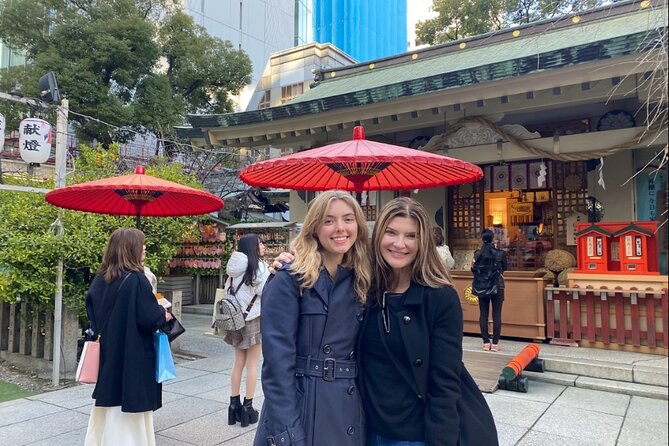
Your meeting point is the East Exit of JR Motomachi Station. Take care here: this is the JR station, not the nearby Hankyu station. That distinction matters in Kobe, where several rail lines use similar names and sit close together.
You meet near the ticket gates, then set off with the guide. The exact route and order of stops are not specified, so you should think of this as a guided introduction rather than a fixed list of landmark interiors. The value is in having someone explain what you are seeing and help connect Kobe’s past with its present.
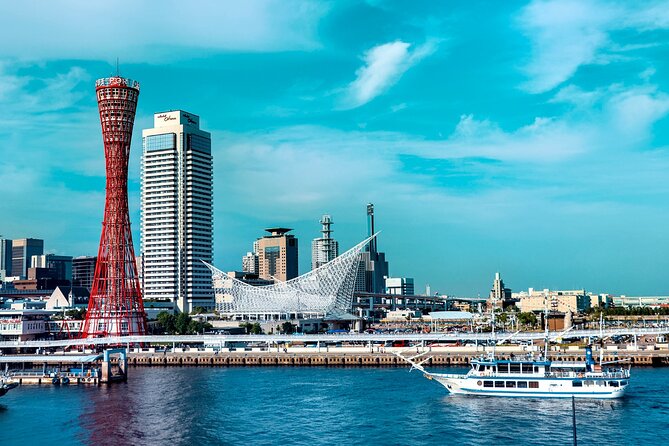
Kobe is presented first as a port city shaped by imports, trade, and contact with international communities. That gives the port area more meaning than a simple waterfront walk. You are not only looking at a city beside the sea. You are seeing the place where outside influences helped shape local culture.
I like this starting point because it gives you a useful frame for the rest of the tour. Japanese cities can seem hard to read at first. A local guide can point out the cultural differences, explain customs, and answer the small questions that rarely appear on a standard sign.
More Onsen Experiences in Japan:
- From Osaka: Himeji Castle, Arima Onsen & Mt. Rokko Day Tour
★ 4.6 · 339 reviews - From Tokyo: Private Tour to Fuji/Hakone – Onsen, Art, Nature
★ 5.0 · 116 reviews - Mt. Fuji, Hakone Private Tour from Tokyo – Onsen, Arts and Nature
★ 5.0 · 79 reviews
Why the port and Arima belong on one tour
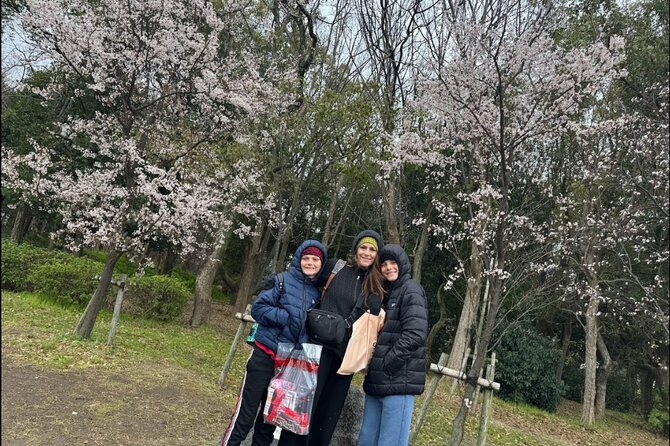
The tour’s central idea is contrast. Kobe’s port area reflects movement, business, and contact with the wider world. Arima Onsen town, on the other side of Mount Rokko, offers a slower setting tied to Japanese bathing traditions.
That contrast makes the four-hour format appealing. Instead of spending the entire outing in one district, you get a quick look at two very different parts of Kobe. You can begin with the city’s outward-looking character, then move toward a more traditional setting.
The tradeoff is time. Four hours is enough for an introduction, but it does not leave room for a slow, independent exploration of every street, shop, or attraction. If you prefer lingering over details, you may want to return to either area on your own.
The tour is best for someone who wants a local explanation of Kobe’s character without planning every transfer and stop alone. It is less suited to someone who already knows the city well and wants a long, unhurried visit at one particular site.
Arima Onsen town and the rules of an authentic bath
Arima Onsen is the tour’s strongest cultural feature. The experience is intended to introduce you to an authentic onsen setting and to Japanese manners surrounding it.
That means the practical details matter. Bring comfortable clothes, comfortable shoes, and cash. Bare feet are not allowed, so do not assume you can arrive without suitable footwear. The information does not specify whether an admission fee, towel, or bathing charge is included, so ask the guide what you need to pay before entering.
An onsen is not simply a hot pool for sightseeing. It comes with customs, and those customs can feel unfamiliar if you have never used one. Having Yuta explain proper behavior can make the visit less awkward and more respectful.
The tour also gives you a chance to learn about Japanese cuisine and confectionery. The exact dishes and sweets are not listed, and meal costs are not included. Treat this part as an opportunity to ask questions and sample something local, not as a prepaid food tour.
If you are uncomfortable with public bathing, you should consider that before booking. The tour can still offer cultural value through the town and its traditions, but the onsen portion is clearly one of its main attractions.
Yuta’s personal help is a real advantage

Yuta is the guide named in the available information, and his strongest quality is practical friendliness. He speaks English clearly enough for English-speaking participants to communicate with him, and the tour is also available in Japanese.
That matters in a city with several rail operators and stations that can be easy to confuse. Denis and Manu arrived late after making a mistake with the trains, and Yuta helped them locate the group, even going to look for them. You should not treat that as a promise that every delay will be handled in the same way, but it shows the kind of hands-on support that can make a major difference.
I especially like this for first-time visitors. A guide who simply recites facts is of limited help when you miss an exit or misunderstand a station name. A guide who can explain, redirect, and keep the mood relaxed is more useful.
The published feedback also describes the tour as friendly and personalized. That fits the experience as described: you are encouraged to ask about Japanese culture, manners, food, and local life rather than follow a silent route from one photo stop to another.
More visits with a guide alongside around Japan:
- Bali: Mount Batur Sunrise Guided Hike and Natural Hot Spring
★ 4.8 · 9,284 reviews - Rotorua: Hell’s Gate Outdoor Mud Spa & Guided Walk
★ 4.7 · 1,140 reviews - Ubud Hot Springs and Waterfall Private Guided Tour
★ 5.0 · 719 reviews - Hoover Dam & Hot Springs Kayak Tour with Lunch & Expert Guide
★ 5.0 · 318 reviews
What the four hours can and cannot cover
The tour promises a broad look at Kobe in four hours. That is efficient, but the word broad is important. You can expect an overview of the port area and Arima Onsen town, not a full museum-by-museum or neighborhood-by-neighborhood visit.
The schedule may also feel active because these two areas are not next door to each other. Transportation costs are not included, and the tour details do not specify which transport is used or how much time is spent in transit. Ask about the expected fare and travel time before the day begins, especially if you are watching your budget.
The start and end point is convenient for planning: both are at JR Motomachi Station. You do not have to figure out a separate return point after the tour. Still, leave some flexibility after the activity in case you want to eat, shop, or continue sightseeing near Motomachi.
Wear shoes you can walk in comfortably. The day combines city streets, station movement, and the traditional town around the hot springs. Comfortable clothing will also make the onsen portion easier.
What the $57 price really buys you
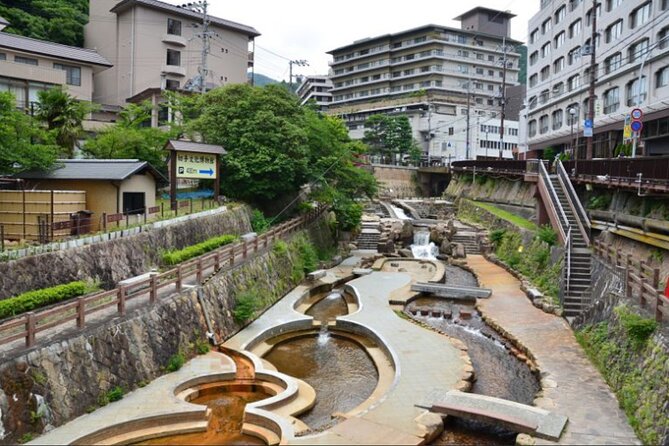
At $57 per person, this is not a fully bundled day trip. You pay separately for transportation and meals, so the final cost depends on the route, food choices, and any onsen expenses.
The price makes better sense when you value a guide’s time and local explanation. You are paying for a four-hour introduction that links Kobe’s port culture with Arima’s hot-spring traditions. You also receive a gift, although no details are given about what it is.
For a solo visitor or a small group, the price can be reasonable if you want help with local customs and transport decisions. It is less attractive if you only want to walk around independently or if you are already comfortable navigating Kobe.
The pay-later option is useful for a changing Japan itinerary. You can reserve without paying on the day of booking, and cancellation is allowed up to 24 hours before the activity for a full refund. Check the final booking terms when you reserve, but this gives you some breathing room while arranging rail travel.
Food, sweets, and cash planning
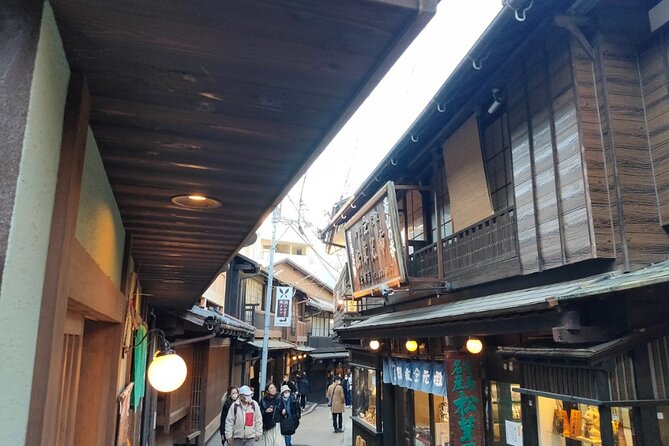
Japanese cuisine and confectionery are listed among the highlights, but food is not included. That distinction is easy to miss, so bring cash and plan for separate spending.
I would ask Yuta early in the tour what food opportunities fit the schedule. The information does not promise a particular restaurant, dish, tasting, or dessert. You may find that the food element is more about local suggestions and cultural explanation than a formal tasting menu.
Cash is also useful for small purchases and possible onsen-related expenses. Do not assume every cost can be handled through a card. The tour specifically tells you to bring cash, so follow that advice.
The gift for all participants is included. Since its type is not specified, it is best viewed as a pleasant extra rather than a reason to book.
Who will enjoy this Kobe introduction
This tour fits you best if you:
- Have only a short stay in Kobe
- Want both the port area and Arima Onsen in one outing
- Prefer a local guide to independent research
- Want explanations of Japanese manners and customs
- Need an English-speaking guide
- Enjoy asking questions about food, culture, and daily life
- Are comfortable paying extra for transport and meals
It may not suit you if you want a slow visit focused only on Arima, a fixed food menu, or a fully prepaid package. It may also be a poor fit if you have a cold or are over 95, since those conditions are listed as unsuitable.
The tour is also not designed for people who dislike walking or who want complete control over the pace. The route covers two different sides of Kobe, and the four-hour limit encourages an active schedule.
Meeting details that can save you trouble
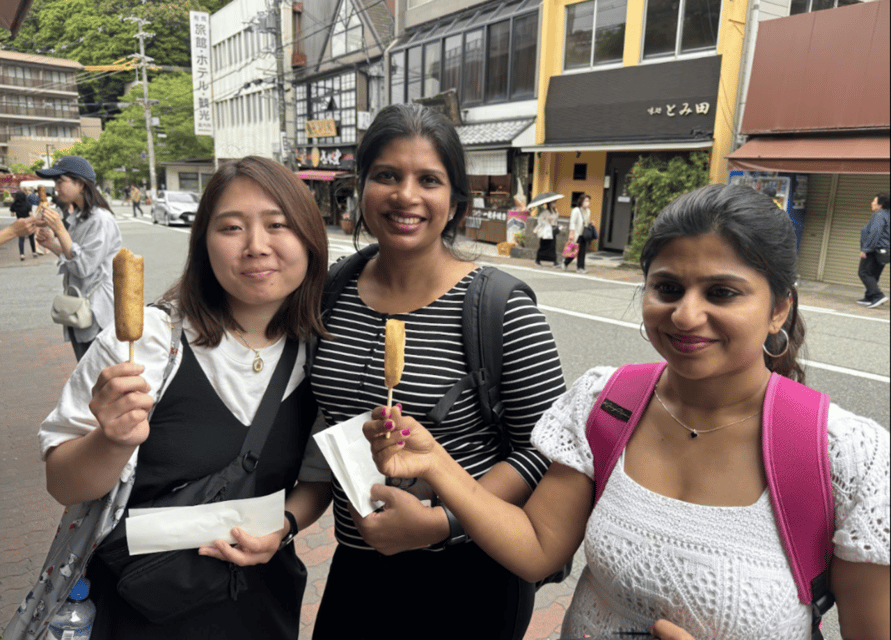
Go to JR Motomachi Station, not the Hankyu station with a similar name. After leaving the train, use the East Exit and meet near the ticket gates.
This is the sort of detail you should write down before leaving your hotel. If you use the wrong rail operator, you can lose time before the tour even starts. Denis and Manu’s late arrival after a train mistake shows why the station instructions deserve attention.
The tour returns to the same meeting point. That makes it easier to plan your next activity, though you should still allow time for the return journey and any transport delays.
The listed languages are English and Japanese. If you need a particular language, confirm it when booking. The available information specifically supports English communication with Yuta, which is helpful for visitors who want more than basic directions.
Should you book the Kobe port and Arima tour?
Book it if you want a friendly, culture-focused introduction to two very different parts of Kobe and you are willing to pay transport and food costs separately. The strongest reasons are Yuta’s clear English, his personal help with station confusion, and the chance to learn onsen manners instead of guessing.
Skip it if you want a precise landmark checklist, a prepaid food experience, or a long, relaxed stay in Arima Onsen. For the right visitor, $57 buys useful local guidance and a smart overview of Kobe. Just arrive at the correct JR station, wear good shoes, carry cash, and leave room in the budget for the parts not included.
FAQ
Where does the Kobe tour begin?
It begins at JR Motomachi Station in Kobe. Meet near the ticket gates at the East Exit.
Is the meeting point at the Hankyu Motomachi Station?
No. The instructions specify JR Motomachi Station, not the Hankyu line station.
Where does the tour end?
The activity ends back at the meeting point, JR Motomachi Station.
How long does the tour last?
The tour lasts four hours.
Does the tour visit both Kobe’s port area and Arima Onsen town?
Yes. The experience is designed to introduce you to Kobe’s port area and Arima Onsen town.
Is transportation included in the price?
No. Transportation costs are not included.
Are meals included?
No. Meal costs are not included, although Japanese cuisine and confectionery are part of the experience highlights.
Which languages are available?
The tour is available in English and Japanese.
What should you bring?
Bring comfortable shoes, comfortable clothes, and cash.
Can I cancel for a full refund?
Yes. You can cancel up to 24 hours in advance for a full refund.
Newly listed around Japan
- Kowakien Yunessun Hot Springs Entry Ticket★ 4.2 · 23 reviews
- Kobe: Arima Onsen Culinary Stroll & Food Tasting Tour★ 5.0 · 2 reviews
- Immersive facial treatment in a Japanese space★ 4.8 · 8 reviews
- Hiroshima: Acupuncture and Japanese unique massage treatment★ 5.0 · 7 reviews
- Hakone: Traverse the Hakone Caldera and Enjoy Onsen★ 4.6 · 8 reviews
- Mount Fuji – Hakone & Onsen Full Day Private Tour★ 3.8 · 6 reviews
- Fukuoka: Mt. Aso Volcano & Kurokawa Onsen Scenic Day Tour★ 3.8 · 37 reviews
- From Tokyo: Private Motorcycle Tour – Fuji, Hakone, Onsen★ 4.9 · 12 reviews
Japanese Onsen Experiences, compared.

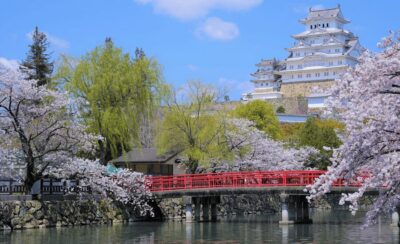
Himeji Castle, Arima Onsen & Mt. Rokko Day Tour
Read our review →
Private Tour to Fuji/Hakone – Onsen, Art, Nature
Read our review →
All-Day Pass to Yunomori Sathorn Onsen Bath and Spa
Read our review →
Mt. Fuji, Hakone Private Tour from Tokyo – Onsen, Arts and Nature
Read our review →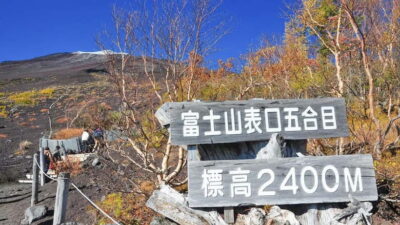
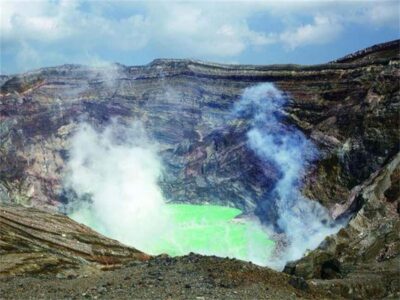
From Fukuoka: Mount Aso, Kurokawa Onsen, and Shrine Tour
Read our review →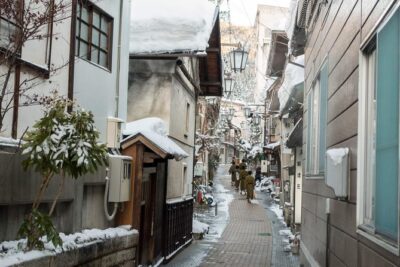
Private Nagano 1-Day Tour:Snow Monkeys,Zenko-ji,Obuse,Sake,Onsen
Read our review →Browse the lists this tour appears in