
Review · FULL BODY MASSAGES
Osaka Temple :Warm Bamboo Oil Massage – Deep Restore〈90min〉
Osaka is famous for food, neon, and fast-moving city life. This experience gives you the opposite: a quiet temple setting, a yukata, incense, bell-led meditation, and a 90-minute bamboo and oil massage designed for slow, steady relaxation. The cultural parts are not filler. They give the treatment a sense of place.
I like the small group size, limited to three people, and the way the visit joins body care with Japanese customs. I also like the practical finish: complimentary smartphone photos let you take home a record of the yukata and temple setting. The main consideration is that meditation may be shared with other people unless you request a private session.
Key points to know before booking
- Bamboo is used for myofascial release: Warm bamboo tools add firm, rolling pressure to the oil massage.
- The 90-minute treatment sits inside a two-hour visit: Allow time for changing, temple customs, meditation, tea, and photos.
- The cultural program is hands-on: You offer incense, work with kneaded incense, sit for meditation, and take part in a matcha ceremony.
- You wear a simple yukata: It adds a traditional Japanese touch without turning the appointment into a formal costume event.
- Only three people can join: This is a better fit for couples, solo visitors, and small private groups than for large parties.
- English and Japanese are available: The cultural explanations and massage instructions can be given in either language.
A temple pause in the middle of Osaka
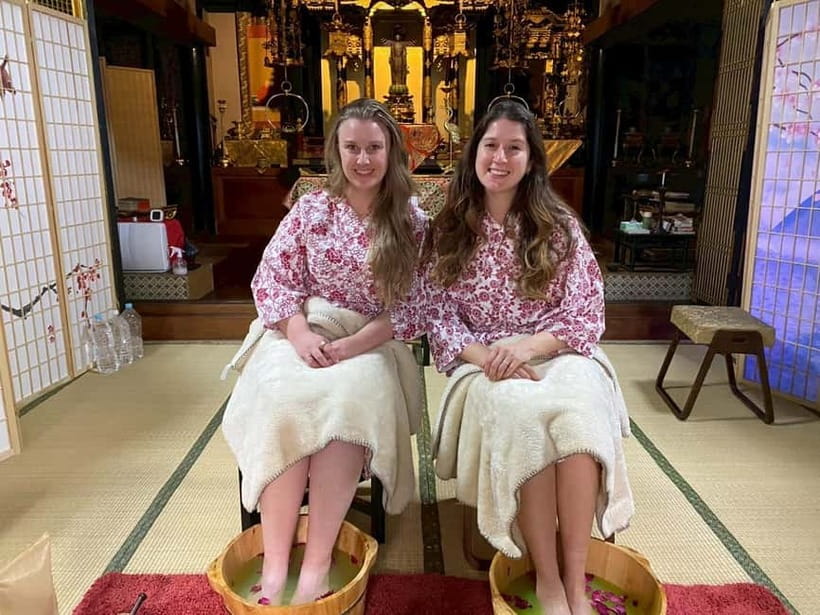
This is not simply a spa appointment with a few Japanese decorations added. The visit begins with a welcome drink and a change into a simple yukata, then moves into temple customs before the bodywork starts. That order matters. You have time to slow down before lying on the massage table.
You will receive an introduction to the temple and to Japanese worship culture. An incense offering gives you a direct way to take part rather than just look around. The setting helps set a quieter mood, though you should not expect a long temple tour or a full religious ceremony. The temple visit is one part of a carefully timed wellness experience.
The provider, japanese massage 唯一無二, or Japanese Massage, the one&only, presents the appointment as both treatment and cultural encounter. English and Japanese support is offered. Arisa is one of the practitioners associated with the experience, and her massage work has drawn especially warm attention, though the person leading your appointment can depend on the schedule.
More Full Body Massages in Japan:
- Osaka Temple :Warm Bamboo Oil Massage – Deep Restore〈60min〉
★ 4.9 · 19 reviews - Body Massage Experience in Ubud Traditional Spa
★ 5.0 · 3,506 reviews - Aroma Therapy Massage, Relaxation therapeutic aromatherapy oil massages.
★ 5.0 · 645 reviews
What happens during the two-hour visit
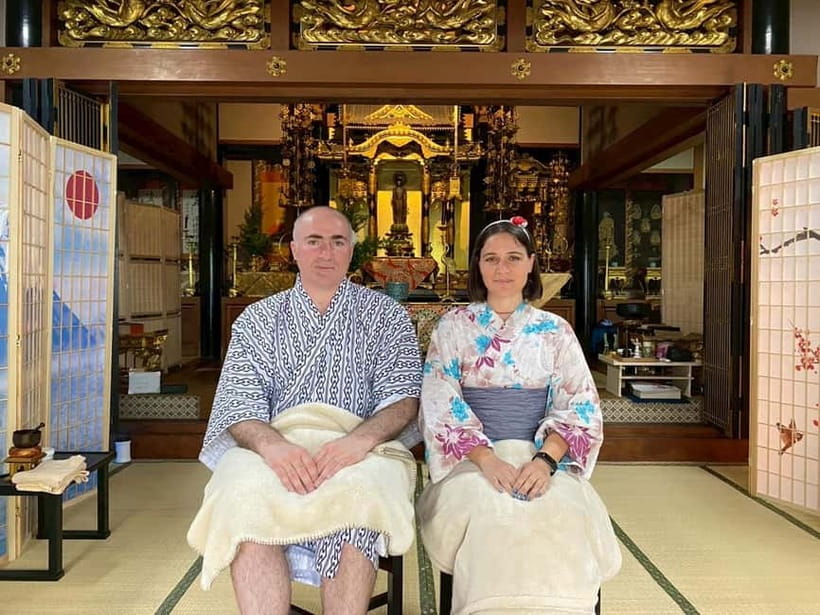
The advertised treatment lasts 90 minutes, while the full appointment takes about two hours. That extra time covers the welcome, yukata change, temple customs, meditation, tea, and photographs. Keep this difference in mind when fitting the experience into a busy Osaka day.
The visit follows a calm sequence:
- Welcome drink and change into a simple yukata
- Temple introduction and incense offering
- Zen meditation with a bell and kneaded incense
- Foot bath and scrub massage
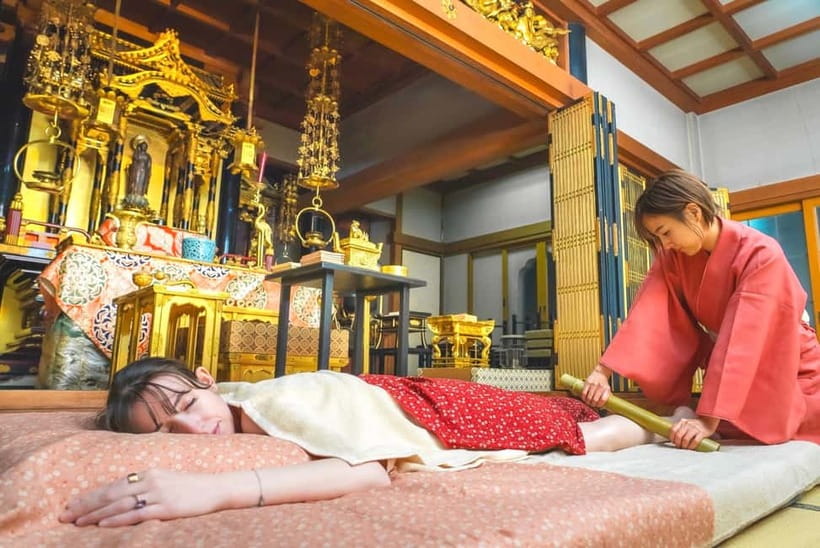
- Warm bamboo and hand oil massage
- Matcha ceremony with Japanese sweets
- Smartphone photographs to take home
The order may feel more like a quiet ritual than a standard spa timetable. You are not rushed from one treatment station to another. Each stage gives you a small reset before the next begins.
The yukata welcome and temple customs
Changing into a yukata is an easy way to mark the start of the appointment. This is a simple garment, not a formal kimono fitting, so the focus remains on comfort and participation. The included smartphone photo gives you a keepsake without requiring a separate photography package.
The temple introduction explains the building’s background and basic Japanese worship customs. You are also guided through an incense offering. This is useful if you have seen people pray at Japanese temples but have not known what to do yourself.
I appreciate that the cultural section is explained rather than treated as a photo stop. You get enough context to understand the gestures and objects in front of you. At the same time, the visit is not presented as a full academic lesson. It is a short, accessible introduction suited to someone with limited time.
Bell, incense, and a quieter mind
Zen meditation comes before the main massage. A bell marks the meditation, and kneaded incense forms part of the practice. These small sensory details help separate the appointment from the noise of Osaka outside.
You should know that the meditation may be shared with other people. If privacy matters to you, request a private experience when booking. The group limit is three, but a small group is not automatically a private group.
The meditation is best viewed as a brief period of stillness rather than a demanding lesson in Zen practice. You do not need prior experience. The benefit is practical: after the welcome and temple visit, you are more settled before the body treatment begins.
More ways to unwind around Japan:
- From Osaka: Himeji Castle, Arima Onsen & Mt. Rokko Day Tour
★ 4.6 · 339 reviews - Osaka: Nara and Uji Day Trip with Deer Park and Hot Spring
★ 4.4 · 302 reviews - From Tokyo: Private Tour to Fuji/Hakone – Onsen, Art, Nature
★ 5.0 · 116 reviews - Mt. Fuji, Hakone Private Tour from Tokyo – Onsen, Arts and Nature
★ 5.0 · 79 reviews
Foot bath and scrub massage
The foot bath and scrub massage ease you into the hands-on portion of the visit. A foot bath is a simple start, but it also works well after a day of walking around Osaka. If your schedule includes markets, shopping streets, or long temple visits, this can be a welcome change from being on your feet.
The scrub massage adds a light cleansing and tactile element before the oil work. It is not described as a separate long treatment, so think of it as part of the transition into the 90-minute massage.
This is also the point where you can make your comfort clear. If you prefer lighter pressure or have a sensitive area, tell the practitioner. The service is designed around relaxation and release, not around pushing through pain.
Warm bamboo and hand oil massage
The main draw is the full-body oil massage using warm bamboo and hands. Bamboo gives the practitioner a tool for broad, rolling pressure and myofascial release. In practical terms, this can feel different from a massage performed only with hands. The bamboo helps apply even pressure over larger areas, while handwork allows more careful attention.
The word warm matters. Heated bamboo can make the pressure feel smoother and less abrupt than a cool tool. Still, the exact pressure and sensation will vary from person to person. If you prefer a gentler session, say so before the treatment begins.
The treatment is aimed at deep relaxation and restoring a sense of balance. The available description also explains Reiki as a non-contact Japanese energy-healing method intended to support relaxation and emotional balance. It is important to distinguish this from the massage itself: Reiki does not involve physical pressure or touch.
The strongest praise has focused on the massage, the calm setting, and the skill of the women who run the experience. Arisa has been singled out for her work as a masseuse. That makes this a good choice if your first priority is body treatment, with the cultural program adding value around it.
Matcha, sweets, and the end of the visit
The matcha portion is a traditional Japanese tea ceremony with an explanation of its cultural and historical meaning. You also receive original Japanese sweets. This is not simply a cup of green tea handed to you after the massage.
The ceremony gives the appointment a gentle ending. After lying quietly for 90 minutes, you can sit up, listen, taste the tea, and take in the setting at a slower pace. The sweets provide a small contrast to the earthy bitterness of matcha.
For many people, this may be the most memorable part beyond the massage. It makes the experience useful for someone who wants to understand a little more about Japanese hospitality, not just book a treatment. The explanation is especially helpful if you have never taken part in a tea ceremony before.
Do not expect the full formal ceremony associated with specialist tea schools. This is a visitor-friendly introduction paired with wellness care. That is a strength for most first-time visitors, though serious tea students may want a more focused tea appointment elsewhere.
Photos and the value of the cultural extras
Complimentary smartphone photos are included. The photos document your yukata, the temple surroundings, and parts of the experience. You do not have to arrange a separate photographer or ask a stranger to take a picture.
This is a small extra, but it adds value because the appointment includes several visual details you may want to remember. It also makes the experience more than a private massage that disappears as soon as you leave.
The photos should not be the reason you book. The massage and calm setting are the main attractions. Think of the pictures as a useful keepsake that comes with the cultural program.
Is $129 a fair price?
At $129 per person, this costs more than a basic massage in Osaka. The comparison is not quite like for like. You are paying for a two-hour appointment that combines a 90-minute full-body treatment, foot bath, bamboo work, temple customs, meditation, matcha, sweets, yukata use, and photos.
The value is strongest if you would otherwise pay separately for a massage and a cultural activity. Here, those elements are arranged in one small-group visit. You also avoid having to work out the etiquette of incense, meditation, or tea ceremony on your own.
The value is weaker if you want only a massage. A visitor who is not interested in temples, matcha, or wearing a yukata may find the cultural elements unnecessary. In that case, a standard spa treatment may offer better value.
For a couple, the price can make sense as a shared Osaka experience. For a solo visitor, it is easier to justify if you see the cultural sections as part of the main event rather than waiting around before the massage.
Location advice that can save you time
Use Google Maps with the name Japanese Massage -the one&only- rather than searching only for the temple’s name. Entering the temple name may send you to the back entrance, where it can be easy to get turned around.
If you cannot locate the meeting point, search for the restaurant Tossa de coracao. The massage location is right next to it. This is one of those small arrival details worth saving before you leave your hotel, especially if your phone connection is unreliable.
The provider offers a skip-the-ticket-line format, though this is not a major attraction with a conventional ticket queue. The real advantage is having a reserved appointment in a small setting.
Who will enjoy this experience most?
I would choose this for a solo visitor who wants a calm break from Osaka’s busy streets, or for a couple looking for something quieter and more personal than another meal or shopping stop. It also suits first-time visitors who want a gentle introduction to several Japanese customs in one place.
It works well for someone who values a good massage but also wants context. You get an explanation of worship customs, a short meditation, and a tea ceremony without having to commit to a full-day cultural program.
I would be more cautious if you want a formal religious visit, a specialist Zen retreat, or a highly technical myofascial treatment. The experience is designed for relaxation and cultural discovery. It is not presented as medical therapy, intensive athletic bodywork, or an extended temple study.
The small capacity is another advantage, but it can limit availability. Reservations for three people are handled by email, so larger groups should not assume they can book through the standard process.
Should you book Osaka Temple Warm Bamboo Oil Massage?
Book it if you want your Osaka wellness treatment to include a real sense of place. The strongest combination is the warm bamboo massage, the quiet temple setting, the matcha ceremony, and the chance to wear a yukata without committing to a full costume day.
Skip it if you only want the cheapest available massage or if you dislike structured cultural activities. Also think carefully about the shared meditation option if privacy is important to you. Ask for a private experience when arranging the booking.
For most visitors, the $129 price is fair because the appointment includes far more than bodywork. It is a compact, thoughtful way to slow down in Osaka, and the photos, tea, incense, and sweets give the memory a longer life than a routine spa visit.
FAQ
How long does the experience last?
The full experience lasts two hours. The massage portion is listed as 90 minutes, with the remaining time used for the welcome, yukata change, temple activities, meditation, tea ceremony, and photos.
What is the price?
The price is $129 per person.
What does the massage include?
The treatment includes a foot bath and scrub massage, followed by warm bamboo and hand oil massage. The massage is described as full-body work with myofascial release using bamboo.
Is a yukata included?
Yes. A simple yukata is included, and you change into it at the start of the experience.
Is meditation included?
Yes. Zen meditation with a bell and kneaded incense is included.
Is the meditation private?
Meditation may be shared with other people. You can request a private experience if you prefer.
Is a tea ceremony included?
Yes. The visit includes a traditional Japanese tea ceremony with matcha, original Japanese sweets, and explanations of the ceremony’s cultural and historical background.
What languages are available?
The experience is offered in English and Japanese.
How many people can join?
The experience is limited to three participants.
How do I find the meeting point?
Enter Japanese Massage -the one&only- in Google Maps. Searching only for the temple’s name may take you to the back entrance. If you have trouble, search for the restaurant Tossa de coracao, which is right next to the location.
Newly listed around Japan
- Private 2-Day Tour: Mt Fuji Hakone & Kamakura + Onsen Ryokan★ 5.0 · 3 reviews
- Osaka Temple :Warm Bamboo Oil Massage – Deep Restore〈60min〉★ 4.9 · 19 reviews
- Onsen Spa in Tokyo and Asakusa Bar Hopping with Local Guide★ 5.0 · 3 reviews
- Osaka: Tennen Onsen Naniwa-no-Yu, the famous hot spring spa★ 4.7 · 19 reviews
- Osaka: Wakayama Cat Train, Seafood market, Hot Springs Tour★ 4.6 · 24 reviews
- Osaka: Japanese Zen Massage and Facial at the Temple/180-min★ 4.8 · 10 reviews
- Nagano UNESCO Park: Emerald Acid Lake & Ghibli Onsen Town★ 5.0 · 7 reviews
- Mt. Fuji Skiing Experience- YETI Ski Resort & Onsen Day Trip★ 4.2 · 8 reviews
Full Body Massages, compared.
Body Massage Experience in Ubud Traditional Spa
Read our review →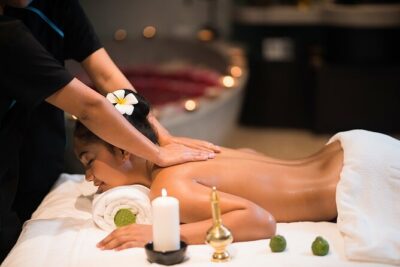
Aroma Therapy Massage, Relaxation therapeutic aromatherapy oil massages.
Read our review →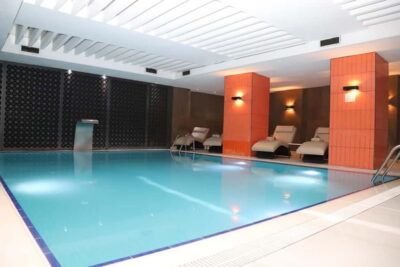
Traditional Turkish Bath with Foam and Oil Massage
Read our review →
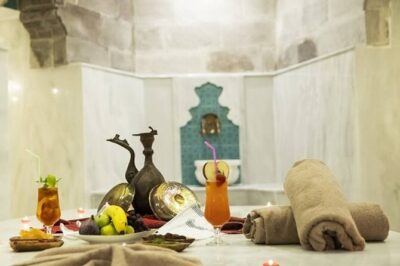
Traditional Turkish Bath Experience in Alanya With Oil Massage
Read our review →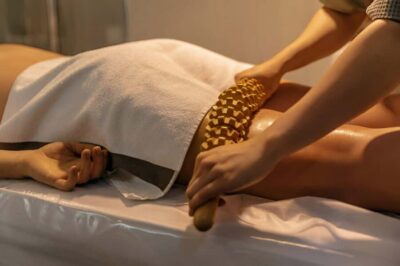

Marmaris Traditional Turkish Bath Experince With Oil Massage
Read our review →Browse the lists this tour appears in