
Review · HOT SPRINGS AND GEOTHERMAL POOLS
Wellness in Saitama: Takedera Blowing Zen Meditation & Hot Spring
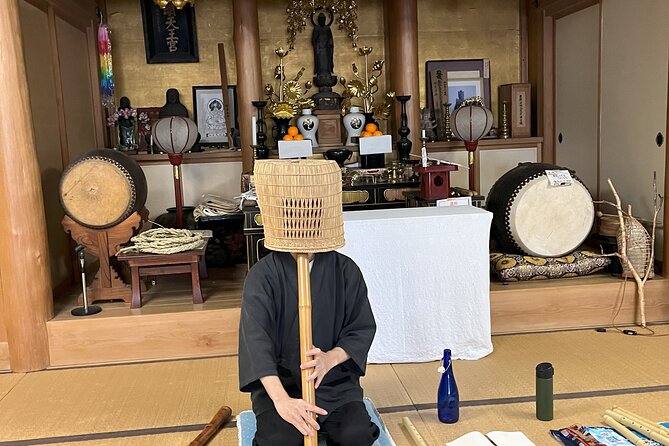
Takedera offers something you will not find on a standard Tokyo day trip: suizen, a Zen practice built around the breath and the shakuhachi bamboo flute. In the quiet bamboo grove, instructor Mr. Aoyama guides you through a rare Japanese tradition that many Japanese people have never tried. I like the small group, capped at six, and the way the day joins a temple visit with a soak at Kirari Spa Villa. I also like that the setting feels personal rather than mass-market.
The main drawback is practical: at $224.45 per person, this is a costly half-day, especially if you skip the optional lunch. The spa also prohibits tattoos, and the guide leaves after the drop-off, so you need to be comfortable managing part of the return independently.
Key Points at a Glance
- Rare shakuhachi practice: Instructor Mr. Aoyama introduces you to suizen, a breath-focused form of blowing Zen.
- Takedera bamboo setting: A priest leads you through a temple where Shinto and Buddhist traditions meet.
- Small group size: A maximum of six people allows room for questions and individual attention.
- Optional seasonal lunch: You can add a vegetarian meal built around seasonal vegetables, herbs, and a bamboo theme.
- Kirari Spa Villa visit: Spend the afternoon using the spa facilities near Miyazawa Lake.
- Useful timing: Meet at Hanno Station at 10:00 a.m. and plan on about six hours in total.
Why This Saitama Wellness Trip Feels Different
Saitama sits next to Tokyo, but this experience takes you into a much quieter corner of the prefecture. Hanno City is about an hour from Tokyo, making the outing manageable as a break from the capital without requiring an overnight stay.
The unusual feature is the combination of three activities that normally belong to separate day trips: a temple visit, a shakuhachi lesson, and an onsen afternoon. You are not simply looking at a bamboo grove, taking a quick photo, and moving on. The schedule gives you time to slow your breathing, listen, and then relax in warm water.
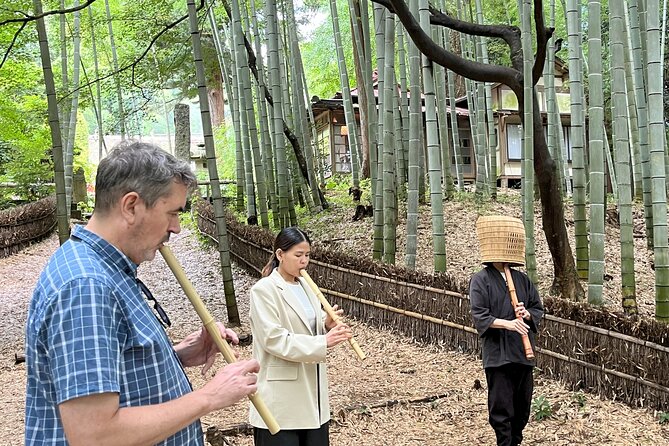
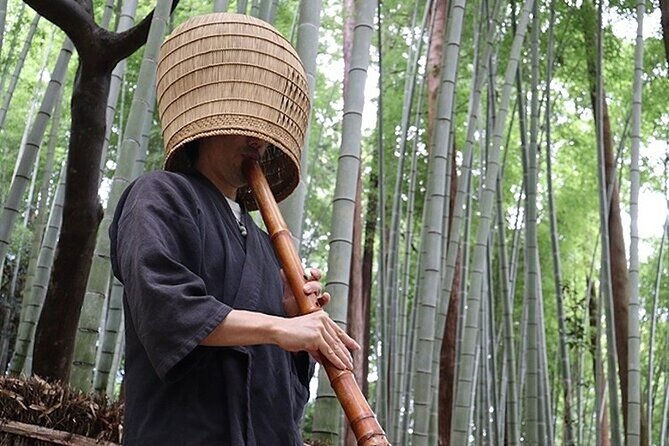
I especially like the focus on suizen. The shakuhachi is not presented only as a musical instrument. Mr. Aoyama connects its sound and breathing technique with Zen practice, yoga, and meditation. You will learn basic blowing techniques, then take a walk through the bamboo forest while working on your breath.
That makes this experience a good fit if you want a cultural activity with a reflective side. It is less suitable if you prefer a packed sightseeing schedule or want a full day of major landmarks.
More Hot Springs in Japan
- Osaka: Nara and Uji Day Trip with Deer Park and Hot Spring
★ 4.4 · 302 reviews - Tokyo: Mt Takao Tour with Ramen and Tattoo-Okay Hot Spring
★ 5.0 · 69 reviews - [Seasonal Limited] Mt. Fuji 5th Station &Hot Spring Day Tour
★ 4.5 · 53 reviews
Meeting at Hanno Station at 10:00 a.m.
The tour begins at Hanno Station, at 1 Minamimachi, Hanno, Saitama 357-0036. Starting at a railway station is useful because you do not need to find a remote temple on your own. The area is near public transportation, and the meeting time is late enough to avoid an especially early morning.
Round-trip transport to and from Takedera is included, which matters here. The temple and spa are not presented as a simple station-to-station route, and having arranged transport removes some of the day’s planning work.
The group has a maximum of six people. That limit is one of the strongest reasons to consider this tour. A breathing and flute lesson can feel awkward in a large crowd, while a small group gives you a better chance to hear instructions and ask for help.
You should still have moderate physical fitness. The itinerary includes walking around the temple and bamboo forest, and the day is not designed as a completely stationary spa visit.
Takedera, the Bamboo Temple
Takedera is known as the Bamboo Temple, a fitting name for a sanctuary surrounded by bamboo. The temple preserves a blend of Shinto and Buddhist traditions, an important detail because Japanese religious sites often reflect several layers of practice rather than fitting neatly into one category.
A priest leads your introduction to the grounds and explains the temple’s past and spiritual setting. This gives the visit more shape than simply arriving at a scenic forest. You get context before the meditation session, so the bamboo, temple buildings, and quiet paths become part of one experience.
The setting is the main attraction, but it also sets a calm pace for the rest of the morning. Bamboo filters the light and muffles much of the outside world. The goal is not to rush through a list of sights. You are given room to notice the forest and settle your attention.
I would keep your expectations realistic. This is a small temple visit, not a major complex with a long list of buildings or exhibits. Its appeal comes from the atmosphere, the priest’s introduction, and the chance to practice in a natural setting.
Learning Suizen With Mr. Aoyama
At about 11:15 a.m., you meet Mr. Aoyama for the suizen session. He is a musician with experience in yoga and meditation, and he introduces the shakuhachi, the traditional Japanese bamboo flute.
The basic lesson focuses on how to blow into the instrument. That may sound simple, but producing a clean note on a shakuhachi can be difficult. You should treat the activity as a first encounter with a demanding art, not as a polished music class where you will quickly play a tune.
This is where the tour earns its distinctive character. The shakuhachi has a long connection with Zen, and the act of trying to control your breath gives the session a clear purpose. You are paying attention to air, posture, sound, and silence at the same time.
After the initial instruction, you walk through the bamboo forest and continue working with your breathing. That walk helps keep the session from feeling like a technical music lesson. You are using the forest as part of the practice, with the pace and quiet supporting the meditation.
I like that the activity is accessible even if you have no musical background. You do not need to arrive as a musician. You do need patience, since the flute is difficult and the first sounds may be uneven. That is part of the charm, but anyone expecting an easy performance should adjust those expectations.
Same place, a different hour on the table:
- From Osaka: Himeji Castle, Arima Onsen & Mt. Rokko Day Tour
★ 4.6 · 339 reviews - From Tokyo: Private Tour to Fuji/Hakone – Onsen, Art, Nature
★ 5.0 · 116 reviews - Mt. Fuji, Hakone Private Tour from Tokyo – Onsen, Arts and Nature
★ 5.0 · 79 reviews - Tokyo: Mount Fuji 5th Station & Onsen Day Trip
★ 4.3 · 75 reviews
The Optional Vegetarian Lunch at About 12:30 p.m.
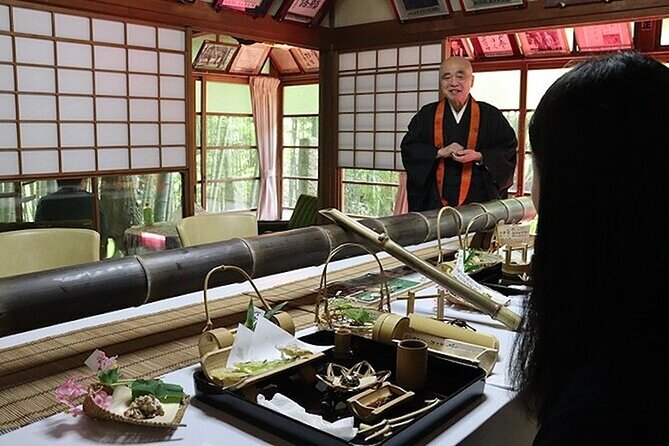
Around 12:30 p.m., you can add a vegetarian lunch at Takedera. The meal features seasonal vegetables and herbs, with a bamboo theme woven into the presentation.
The lunch is not included in the base price, so check the cost before booking if food is important to your plans. It may be a useful addition because the morning activity carries you into lunchtime, and eating at the temple keeps the experience connected to the setting.
I would choose the lunch if you want the day to feel like one complete cultural outing. If you are watching the total cost or prefer a more flexible schedule, you can skip it. The supplied details do not specify the menu, portion size, or exact price, so you should not book it expecting a particular dish.
The meal also gives you a natural pause between the temple and spa. Without it, you will need to arrange food separately or wait until later, so factor that into your decision.
From Takedera to Kirari Spa Villa
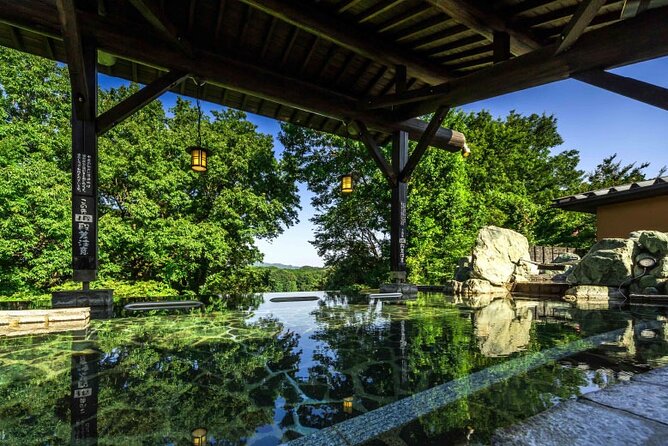
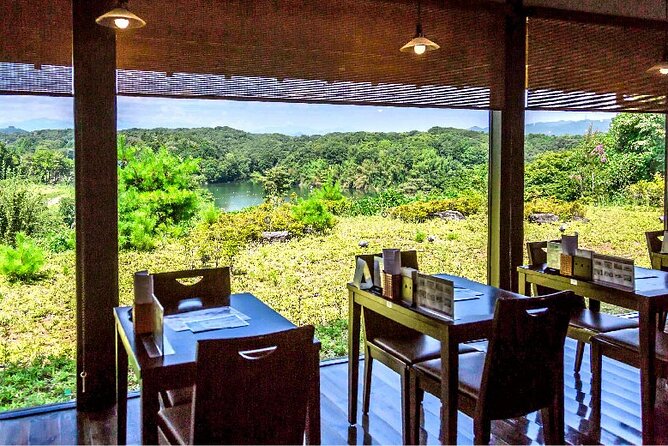
After Takedera, the group travels about 15 minutes by car to Kirari Spa Villa near Miyazawa Lake. The change of setting is part of the appeal. The morning centers on quiet attention and breathing, while the afternoon gives you time to rest in a spa environment.
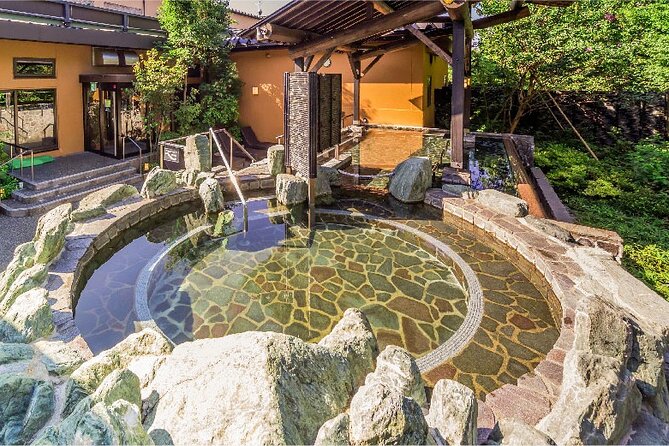
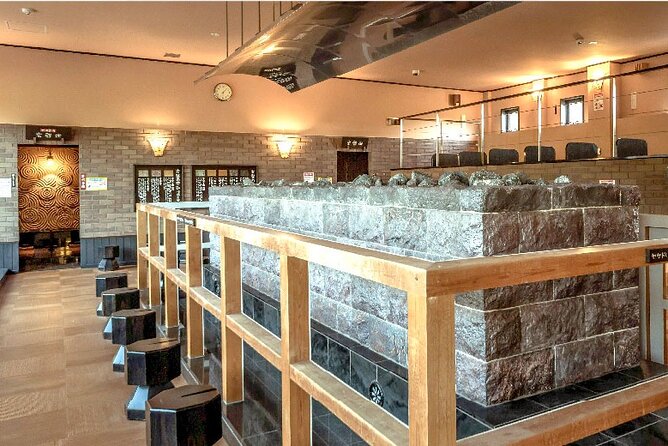
Admission to Kirari Spa Villa is included. The facility has a wide variety of pools, allowing you to spend the afternoon at your own pace rather than following another guided lesson.
This part of the day is less structured. Your English-speaking guide accompanies the earlier portion but departs after dropping you at the spa. A one-way transfer from Kirari Spa Villa to Hanno Station is included, so you have a way back toward the meeting point, but you should pay attention to the exact return arrangement and timing.
The spa is not a minor add-on. It gives the six-hour outing a second strong anchor after Takedera. You can move from active concentration to simple physical relaxation. If your ideal day includes soaking and pools, this adds real value. If you are mainly interested in the temple and suizen, the spa admission may make the price feel higher than necessary.
One firm rule matters: tattoos are strictly prohibited at this spa facility. This is not presented as a cover-up policy or a case-by-case decision. If you have a tattoo, confirm the facility’s current rules before paying, since the supplied information says tattoos are not allowed.
Is $224.45 a Fair Price?
At $224.45 per person, this is not a cheap way to fill six hours in Saitama. The price includes transport to Takedera, the temple tour, the suizen experience, an English-speaking guide for the guided portion, Kirari Spa Villa admission, and one-way transport from the spa to Hanno Station.
That package has value if you would otherwise need to arrange several separate pieces. Takedera is not the sort of place you can easily combine with a typical Tokyo sightseeing route, and the small group keeps the experience personal. The rare flute session also gives the outing something that a standard temple and onsen combination would lack.
The price is harder to justify if you are mainly seeking a low-cost bathhouse visit. You could spend less on a simpler spa outing, but you would miss the temple, priest-led introduction, bamboo walk, and suizen lesson.
Group discounts may be available, which could improve the value if you are booking with friends or family. The optional lunch costs extra, so include it in your budget rather than treating it as part of the listed price.
I see this as a special-interest experience rather than a general sightseeing bargain. For someone interested in Japanese spiritual traditions, meditation, music, and bathing culture, the unusual combination can justify the cost. For a first-time visitor focused on famous Tokyo sights, it may not be the best use of a limited budget.
Who Will Enjoy This Most?
You are likely to enjoy this tour if you want:
- A quiet break from Tokyo without traveling far from the capital
- A small group with no more than six participants
- An introduction to a rare Japanese practice
- A temple visit connected to nature and reflection
- A spa afternoon after a cultural activity
- A guided experience that does not feel like a standard city tour
The tour suits solo visitors, couples, and small groups who are comfortable with a slower pace. The moderate fitness requirement means you should be ready for walking around the temple and bamboo forest, though the supplied details do not describe a demanding hike.
You may want to pass if you dislike guided meditation, have no interest in trying a musical instrument, or want a full day packed with sightseeing stops. The experience asks you to give attention to one activity at a time. Its appeal is in the quiet, not the number of attractions.
Timing, Booking, and Practical Details
The experience lasts about six hours and begins at 10:00 a.m. at Hanno Station. Confirmation is sent within 48 hours of booking, subject to availability, and the tour is commonly reserved about 11 days ahead, so booking close to your travel date may carry some risk.
Mobile tickets are available. Free cancellation applies when you cancel at least 24 hours before the start time. Changes or cancellations made inside that window are not accepted for a refund.
The experience provider is Beauty of Japan. Since the guide leaves after the Kirari Spa Villa drop-off, keep your phone, station information, and any return instructions handy. The supplied details say the activity ends back at the meeting point, while also specifying a one-way transfer from Kirari Spa Villa to Hanno Station. Confirm the exact end-of-day arrangement when you book so there is no confusion.
Should You Book This Saitama Wellness Experience?
Book it if you want an intimate, unusual day built around bamboo, breath, and bathing. The combination of Takedera and Kirari Spa Villa is the real draw, while Mr. Aoyama’s shakuhachi lesson gives the morning a cultural focus you will not find on a routine temple visit.
I would especially recommend it to repeat visitors to Tokyo, wellness-minded travelers, and anyone willing to pay more for a small group and a rare hands-on activity. The experience has earned a perfect rating from the two available reviews, with particular praise for its personal, spiritual feel, peaceful nature, meditation, and food.
Skip it if the price strains your budget, if you need a guide for the entire return journey, or if the spa’s tattoo rule affects you. For the right person, this is a thoughtful half-day escape from Tokyo. It is not a checklist tour, and that is precisely why it can feel worthwhile.
FAQ
Where does the tour begin?
The tour begins at Hanno Station in Hanno, Saitama, at 10:00 a.m.
How long does the experience last?
The experience lasts approximately six hours.
Is transportation included?
Round-trip transfer to and from Takedera is included. A one-way transfer from Kirari Spa Villa to Hanno Station is also included.
Is lunch included?
No. A vegetarian lunch at Takedera is available as an optional add-on. It features seasonal vegetables and herbs and follows a bamboo theme.
Are tattoos allowed at Kirari Spa Villa?
No. Tattoos are strictly prohibited at this particular spa facility.
How many people can join the tour?
The group has a maximum of six travelers.
More Yoga and Wellness Retreats in Japan
- Private Sound bath Meditation in ocean view house and Beppu onsen
★ 5.0 · 5 reviews - Guided relaxation and sound bath
★ 5.0 · 172 reviews - Bath: Guided Relaxation and Sound Bath
★ 4.8 · 108 reviews - Ubud: Wellness Retreat with Massage, Yoga Class, and Lunch
★ 4.8 · 93 reviews
Newly listed around Japan
- Snowshoeing and Onsen Adventures in a Winter Wonderland -Sapporo.★ 5.0 · 30 reviews
- Sapporo Private Sightseeing Tour in Onsen with Special Package★ 5.0 · 8 reviews
- Green Season Half Day Hikes in Sapporo and Hokkaido with Onsen★ 5.0 · 6 reviews
- Mountain Bike Tour from Sapporo Including Hoheikyo Onsen and Lunch★ 4.5 · 35 reviews
- Full Day Green Season Hiking in Sapporo and Hokkaido with onsen.★ 5.0 · 2 reviews
- Private Car Day Trip to the Kobe Mountains, Gardens and Hot Springs from Osaka★ 4.5 · 16 reviews
- Osaka:Bamboo Healing Massage at the Temple <90-min>★ 5.0 · 9 reviews
- Solaniwa Onsen: Osaka Bay Tower★ 5.0 · 4 reviews
Hot Springs and Geothermal Pools, compared.

Volcanic Islands Cruise with Hot Springs Visit
Read our review →
Mount Batur Sunrise Guided Hike and Natural Hot Spring
Read our review →
Sky Lagoon Entrance Pass With 7-Step Spa Ritual
Read our review →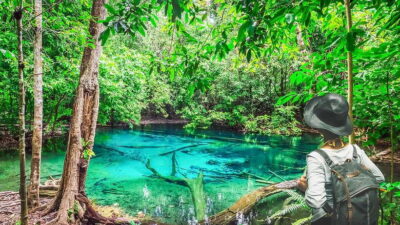
Tiger Cave Temple, Emerald Pool and Hot Springs Tour
Read our review →
Zakopane Tour Local Tasting, Cable Car & Hot Springs
Read our review →
Mount Batur: Private Sunrise Jeep Tour & Hot Spring
Read our review →
Mount Batur Sunrise Hike and Natural Hot Spring Option
Read our review →
Mount Batur Shared Jeep Sunrise & Hot Spring Tour
Read our review →Browse the lists this tour appears in