
Review · JAPANESE ONSEN EXPERIENCES
1-Day Tour from Takayama: Unveiling the Charm of Gero Onsen
Gero Onsen is a fine place to learn how a Japanese hot-spring town works, not just a place to soak. You ride the train through Hida valleys, walk along Gero’s central stream, see old thatched houses, and finish with a proper communal bath. I especially like the small-group feel reported on some departures and the fact that your guide handles both train tickets and admissions. The main consideration is time: this is a full day with a fairly set route, so you get an introduction to Gero rather than a slow, unplanned stay.
I like the balance between practical culture and relaxation. The Gassho Village gives the day a strong historical side, while the Onsen Museum explains the science and customs behind hot springs before you try one yourself. Just know that the final bath is a traditional Japanese onsen, which means bathing without clothes in a gender-separated area. That can feel daunting at first, though it is presented as a normal part of the experience.
Key points to know
- The train ride from Takayama is part of the experience: You travel for about an hour through Hida scenery rather than spending the day in a vehicle.
- Gero Onsen Gassho Village brings old rural houses to life: The open-air museum shows traditional buildings connected with the Hida region and Shirakawa-go.
- The Onsen Museum adds useful context: You learn how hot springs form and why they matter in Japanese health and social life.
- A real communal bath is included: The cost of bathing is covered, but you should be comfortable with nude bathing in a same-sex area.
- Guides make the day easier: Yoshi and Hami have led departures, helping with trains, local choices, and cultural explanations.
- Lunch is flexible but not included: You get about an hour and a half to eat in Gero, with guidance on local restaurants.
Taking the 9:30 train from Takayama
Your day begins outside the ticket gates at JR Takayama Station at 9:30 AM. Look to the left after leaving the gates for the walkway and the carved ornate wagon. Your guide wears a Snow Monkey Resorts tour tag, and there is a nearby waiting room with benches if you arrive early.
This meeting point is simple, but do not remain in the waiting room when the start time arrives. Be at the stated meeting place so you can find the group without a last-minute scramble.
The train ride to Gero takes about one hour. That is a useful part of the day, not dead time. You get to watch the Hida region pass by, with wooded valleys and streams providing a quiet change from Takayama’s streets. Since the tour uses the train in both directions, you avoid the work of arranging separate transport and can give your attention to the scenery and the guide.
The guide meets you with the train tickets already arranged. That small detail matters in Japan, where station procedures can feel less obvious if you cannot read Japanese. A guide called Yoshi has handled this smoothly on one departure, including the return tickets later in the day. Another guide, Hami, has also led the route.
The tour is conducted in English. Group size can vary, but one departure had only three people, creating a more personal pace. You should still expect the general timing to matter, since the train sets the shape of the day.
More Onsen Experiences in Japan:
- From Osaka: Himeji Castle, Arima Onsen & Mt. Rokko Day Tour
★ 4.6 · 339 reviews - From Tokyo: Private Tour to Fuji/Hakone – Onsen, Art, Nature
★ 5.0 · 116 reviews - Mt. Fuji, Hakone Private Tour from Tokyo – Onsen, Arts and Nature
★ 5.0 · 79 reviews
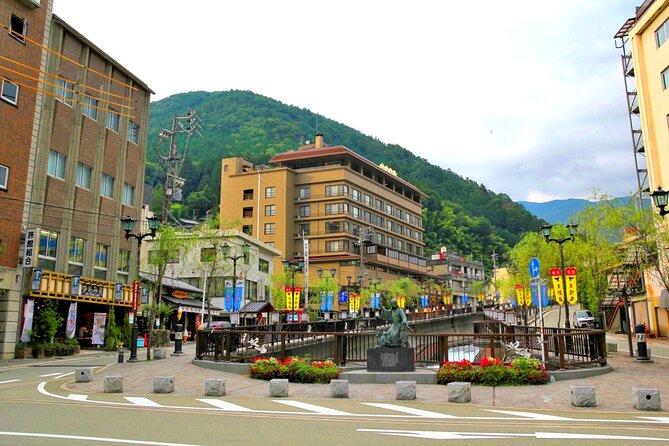
Walking beside Gero’s central stream
Gero is famous for its hot springs, yet the first impression comes from water in a different form. The guided walk follows a riverside path through the central part of town, where the sound of flowing water and the surrounding hills create a calm introduction to the resort.
This stroll is not a strenuous hike. It is a chance to get your bearings and see how the town is arranged around its hot-spring identity. Gero’s central area is compact enough to explore on foot, and the walk gives you scenic views before the more structured visits begin.
Your guide can also help connect what you see with the town’s history. Gero is not presented only as a spa stop. Its streams, hills, temples, traditional buildings, and bathhouses all form part of the same local story.
The pace should suit you if you like guided walks with frequent pauses for explanation and photographs. If you want a long independent walk through side streets, you may find the route more limited than a full free afternoon in Gero.
Seeing Hida’s traditional houses at Gassho Village
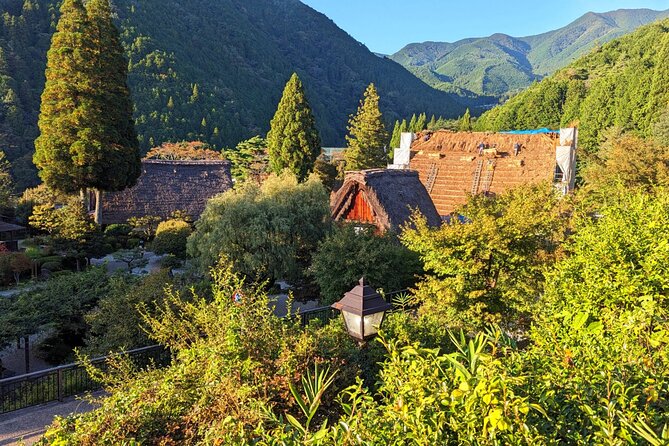
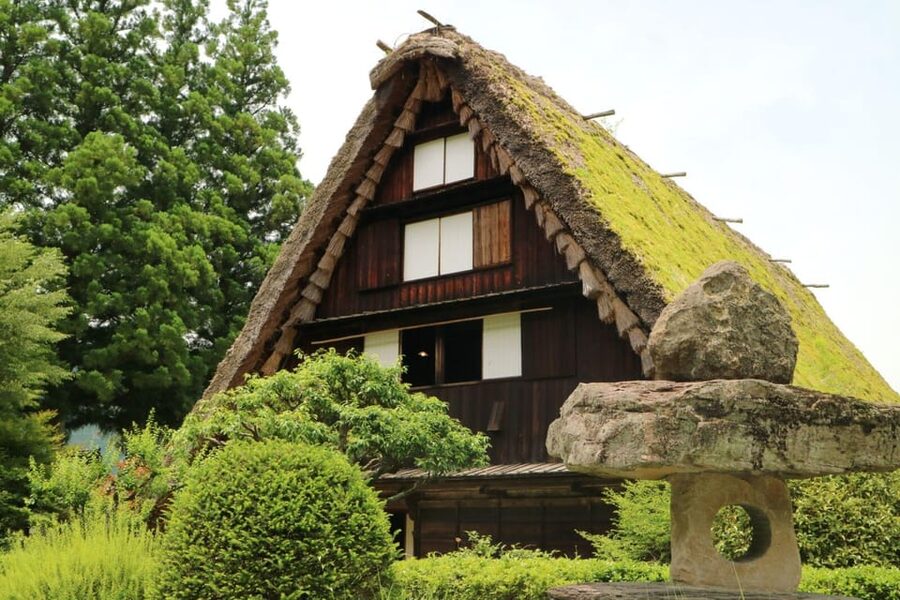
The Gero Onsen Gassho Village is one of the day’s most distinctive stops. This open-air museum contains traditional thatched-roof houses associated with regions including Shirakawa-go. Rather than viewing an old building from behind a barrier, you move through a group of structures that show how rural households once lived and worked.
The steep thatched roofs are not just decorative. Their shape reflects the practical demands of snowy mountain regions. Inside, the buildings offer a clearer sense of domestic life, construction methods, and the relationship between home, work, and weather.
This stop also gives useful context for Hida. Takayama and Gero are often sold through food, scenery, and hot springs, but the old houses show the hard practical side of life in the mountains. The buildings help explain why regional architecture looks the way it does.
Expect time for photographs and a guided walk. The setting is scenic, with the surrounding hills adding to the feeling of a rural settlement. Still, this is an outdoor museum, not an untouched village. You are seeing preserved and arranged buildings, so the experience is educational rather than a glimpse into an ordinary modern neighborhood.
The visit is a good fit for you if architecture and local history matter as much as bathing. If you have already spent several days visiting traditional-house museums around Shirakawa-go, the stop may feel familiar. The guide’s explanations can make the difference by pointing out details you might otherwise pass without noticing.
Choosing lunch in Gero
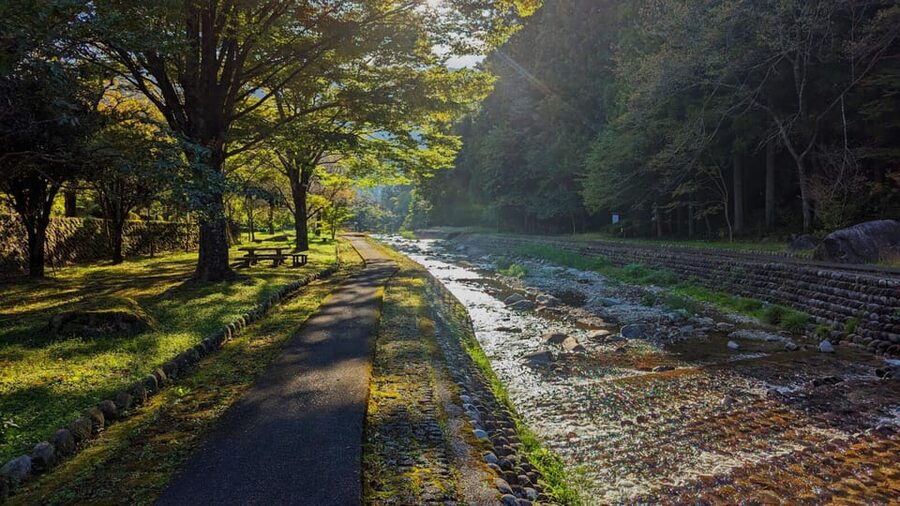
After the village, you walk for about 15 minutes toward the central part of Gero and have around an hour and a half for lunch. Food is not included, which gives you control over the cost and the kind of meal you want.
A guide such as Yoshi can recommend local restaurants, while you choose what to order. That is more useful than being sent to a fixed restaurant, especially if your group has different tastes or budgets. You can ask for help with local choices, then decide for yourself.
The long break is practical. A day built around trains, walking, museums, and bathing needs a real pause. You have time to eat without rushing, though the exact meal options and prices are not specified in advance.
Because lunch is your own expense, allow room in your budget beyond the $150 tour price. The fixed price covers several important costs, but not food or accommodation.
More single-day escapes around Japan:
- Osaka: Nara and Uji Day Trip with Deer Park and Hot Spring
★ 4.4 · 302 reviews - Tokyo: Mount Fuji 5th Station & Onsen Day Trip
★ 4.3 · 75 reviews - Private Nagano 1-Day Tour:Snow Monkeys,Zenko-ji,Obuse,Sake,Onsen
★ 5.0 · 71 reviews - Mt. Fuji 5th, Oshino Hakkai, Onsen Full-Day Trip From Tokyo
★ 4.5 · 50 reviews
Understanding hot springs at the Onsen Museum
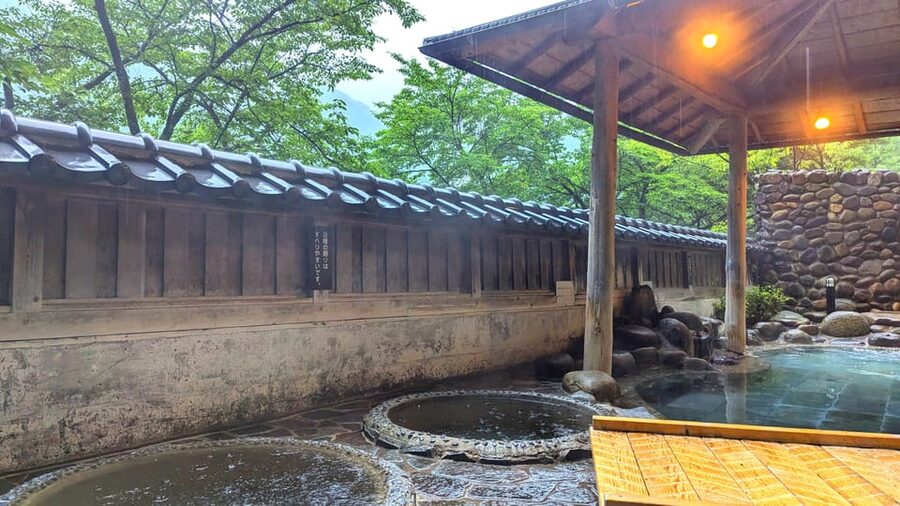
The Gero Onsen Museum gives the day some substance before the final bath. Displays and interactive material explain the history, science, and cultural role of onsen in Japan.
This is valuable because Japanese hot springs are more than warm water in a scenic setting. The museum helps explain how natural hot springs are understood, why they became part of Japanese bathing culture, and how health and relaxation are linked to the custom.
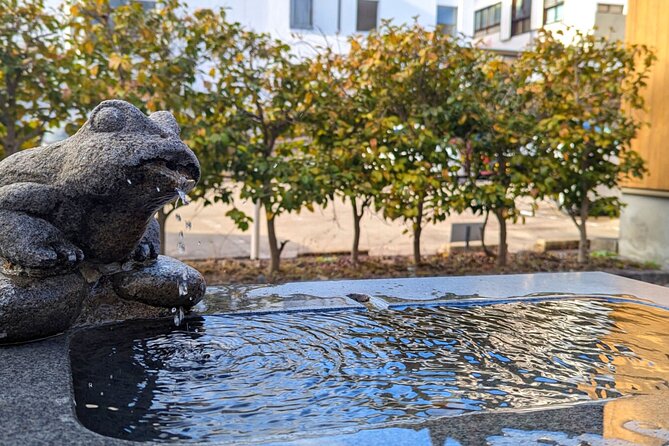
You also get the chance to use a foot bath. It is a gentler introduction than a full bath, and it lets you feel the water before deciding how much energy you want to spend later. A foot bath is also handy if you are curious about onsen but not yet ready for a complete communal bathing experience.
The museum is not likely to be the most visually dramatic stop of the day. Its value comes from context. After learning how onsen function and why they matter, the final bath feels less like a random tourist activity and more like participation in a local custom.
The foot bath also offers a useful backup for anyone who is unsure about the full bathing experience. The tour includes an onsen bath, but a guide has adapted the afternoon for someone who did not want to bathe, using the extra time to show that person another museum before returning to Takayama. Do not assume every departure will follow that exact alternative, but it shows the day can have some flexibility when plans change.
Climbing to Onsenji Temple
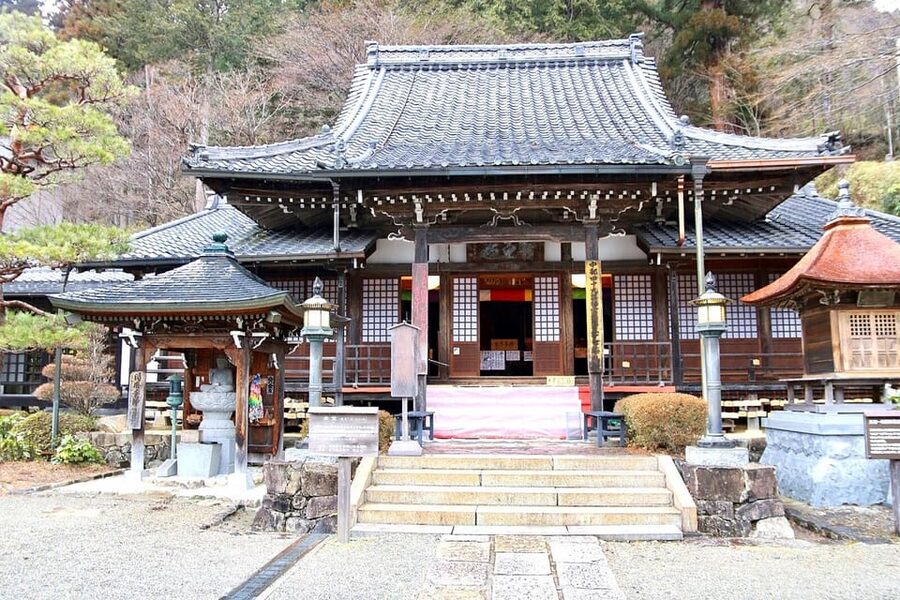
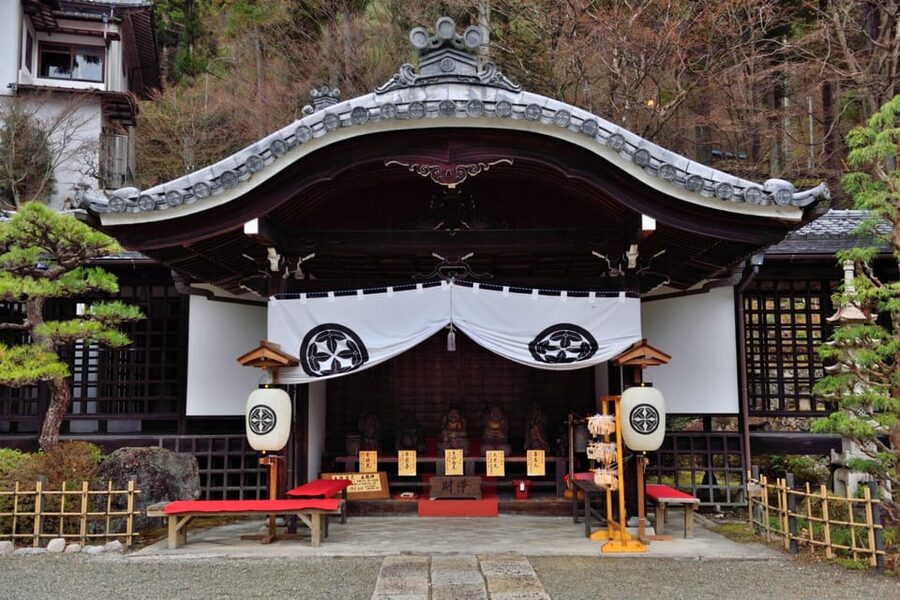
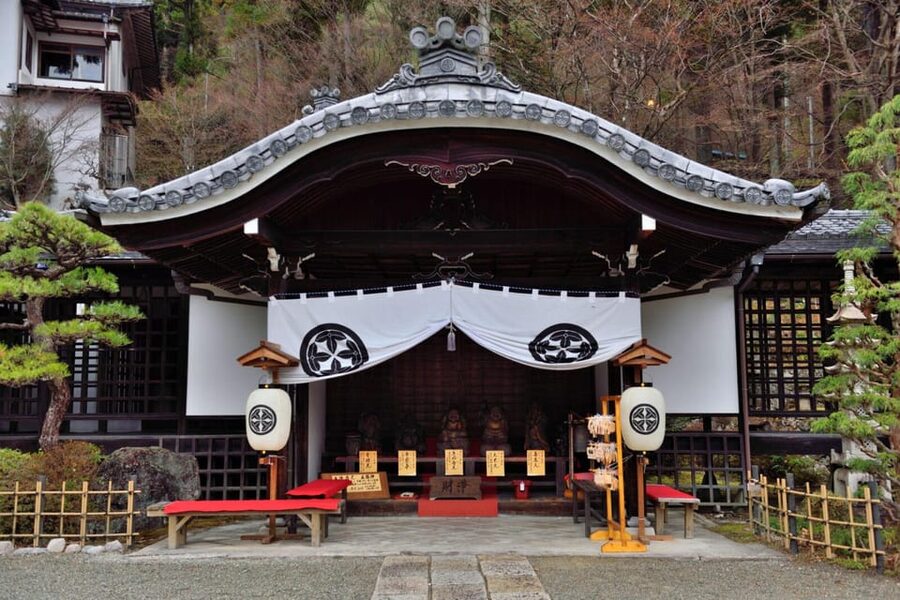
Onsenji Temple adds a quieter and more spiritual stop. The temple is dedicated to Yakushi Nyorai, the healing Buddha, and local legend connects it with the restoration of Gero’s hot springs after an earthquake.
You reach it by climbing steps. The effort is moderate but worth noting if stairs are difficult for you. From above, you get broad views over Gero and the surrounding hills. The view gives you a different sense of the town, showing how closely the hot-spring center is tied to the valley around it.
Onsenji is also described as a power spot, a place associated with spiritual energy and good fortune. You do not need to share that belief to appreciate the calm setting and the temple’s connection with local tradition.
This stop works best when you give it a little quiet attention. It is not simply another photograph on a packed schedule. The temple links the natural force of the hot springs with Buddhist faith, local legend, and the town’s identity as a place of healing.
The afternoon bath from 3:00 PM
From around 3:00 PM, you have the opportunity to bathe in one of Gero’s celebrated onsens. The bathing cost is included, which makes this a meaningful part of the $150 price rather than an extra expense at the end of the day.
You should know the basic custom before you go. Traditional Japanese onsen bathing is done without clothing, in areas separated by sex. You wash before entering the communal water, then soak quietly. The supplied experience information confirms the nude, same-sex setting, but it does not identify the exact bathhouse in advance.
For many first-time visitors, the social side feels more intimidating than the water itself. The practical approach is to treat it like a cultural activity with clear rules, not a performance. Once you understand that everyone is there for the same reason, the experience can become relaxing rather than embarrassing.
The bath is especially rewarding after the walking and sightseeing earlier in the day. You have already learned what the water means to Gero, seen the town from above, and visited a museum devoted to onsen culture. The soak then becomes the natural finish to the story.
Still, this part requires a personal decision. If you are firmly uncomfortable with communal bathing, the tour may not be the right choice, even though an alternative may sometimes be possible. Ask about arrangements before booking if the bath is a serious concern.
Returning to Takayama by train
After the bath, you reunite with your guide and take the train back to Takayama. Arrival at Takayama Station is scheduled for about 5:30 PM.
The return journey gives you a chance to rest after a long day. It also means you do not need to solve the logistics of getting back from Gero, which is a major advantage of taking this as a guided day trip.
You should keep your evening reasonably open. The schedule is not excessively late, but the day includes an early meeting, train travel, walking, a museum, temple steps, and bathing. It is best treated as your main activity for the day rather than something to squeeze between other plans.
Is $150 good value?
At $150 per person, the tour is not the cheapest way to visit Gero. The price makes more sense when you count what is included: return train travel, entrance to Gero Onsen Gassho Village, admission to the Onsen Museum, the onsen bathing cost, guided walks, and an English-speaking guide.
You still pay for lunch, and accommodation is not included. If you were comfortable arranging trains, admissions, and a bathhouse on your own, an independent visit could cost less. The question is how much you value having the day explained and organized.
For me, the strongest value comes from the guide. The route combines several places that are more meaningful when connected: traditional houses, the science of hot springs, a healing temple, and the bath itself. You also avoid the uncertainty of buying train tickets and figuring out where to go next.
The tour becomes better value for first-time visitors to Japan, people with limited time in the Hida region, and anyone who wants cultural explanation in English. It is less compelling for independent visitors who already know Gero well or prefer to spend most of the day soaking and wandering at their own pace.
Free cancellation up to 24 hours before departure and the option to reserve now and pay later make planning easier. Availability can vary, and individual parts of the route may need adjustment if a venue cannot confirm the planned visit, so check the final arrangements before setting your day around every detail.
Who should book this Gero day trip?
You should consider it if you want one organized day that combines transport, history, architecture, religion, and bathing. It suits couples, solo visitors, and small groups who appreciate a guide but do not want a large coach tour.
It is also a good choice if the idea of using a Japanese train or entering an onsen feels confusing. The guide stays with you through the main route and can explain local customs along the way.
Families and mixed-age groups should think about the walking and the temple steps. The itinerary is manageable, but it is still a full day. Anyone with limited mobility should confirm that the route suits them before booking.
The experience is less suitable if your top priority is shopping, nightlife, or a long private soak. Gero is the focus, but the day moves from one planned stop to the next.
Should you book it?
Book this tour if you want an easy, well-rounded introduction to Gero Onsen from Takayama. The best parts are the train ride through Hida, the old houses at Gassho Village, the useful museum context, and the chance to try a genuine communal bath with the main costs covered.
Think twice if you dislike fixed schedules or nude bathing. Also remember that lunch is extra, and a day trip cannot offer the same slow pace as staying overnight in Gero.
For most first-time visitors with one free day from Takayama, I would choose it for the combination of culture and relaxation. Go with an open mind, bring a small towel if you prefer having your own, and treat the bath as the final chapter of the day rather than the only reason to go.
FAQ
Where does the tour meet in Takayama?
Meet outside the ticket gates at JR Takayama Station at 9:30 AM. After leaving the gates, look to your left for a walkway and a carving of an ornate wagon. The guide wears a Snow Monkey Resorts tour tag.
How do you travel from Takayama to Gero?
You travel by train, with the journey taking about one hour each way. The return train to Takayama is included.
Is lunch included?
No. You have about one and a half hours for lunch in Gero, but you pay for your own meal. The guide can recommend local restaurants, and you choose where and what to eat.
What admissions and activities are included?
The tour includes entry to Gero Onsen Gassho Village, entry to the Onsen Museum, guided walks, the train tickets, and the cost of bathing in an onsen.
Is the onsen bath communal?
Yes. The traditional bath involves bathing without clothes in an area separated by sex. A foot bath is also available at the Onsen Museum.
What time does the tour return to Takayama?
The scheduled arrival back at Takayama Station is about 5:30 PM.
Newly listed around Japan
- Hakone: Traverse the Hakone Caldera and Enjoy Onsen★ 4.6 · 8 reviews
- Mount Fuji – Hakone & Onsen Full Day Private Tour★ 3.8 · 6 reviews
- Fukuoka: Mt. Aso Volcano & Kurokawa Onsen Scenic Day Tour★ 3.8 · 37 reviews
- From Tokyo: Private Motorcycle Tour – Fuji, Hakone, Onsen★ 4.9 · 12 reviews
- From Nozawa Onsen: Snow Monkeys and Zenko-ji Day Trip & Sake★ 4.9 · 13 reviews
- From Kanazawa: Kurobe Gorge & Unazuki Onsen Full-Day Tour★ 4.3 · 8 reviews
- Become a local! A Walking Tour of Arts, Crafts&Onsen Culture★ 5.0 · 13 reviews
- Himeji Castle, Arima Onsen & Mt. Rokko: 1-Day Bus Tour from Osaka★ 4.0 · 28 reviews
Japanese Onsen Experiences, compared.
Himeji Castle, Arima Onsen & Mt. Rokko Day Tour
Read our review →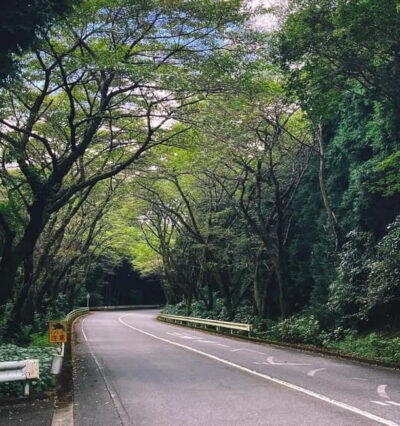
Private Tour to Fuji/Hakone – Onsen, Art, Nature
Read our review →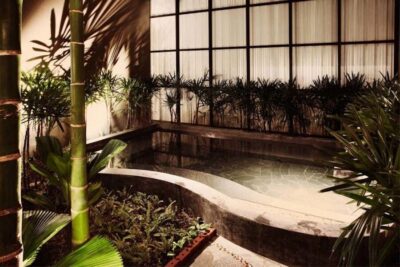
All-Day Pass to Yunomori Sathorn Onsen Bath and Spa
Read our review →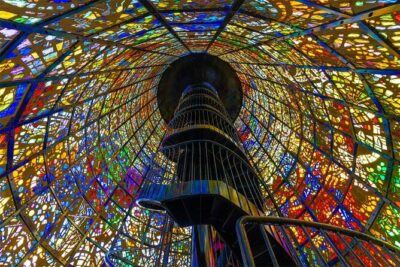
Mt. Fuji, Hakone Private Tour from Tokyo – Onsen, Arts and Nature
Read our review →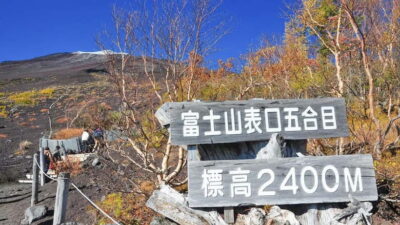
From Fukuoka: Mount Aso, Kurokawa Onsen, and Shrine Tour
Read our review →
Private Nagano 1-Day Tour:Snow Monkeys,Zenko-ji,Obuse,Sake,Onsen
Read our review →Browse the lists this tour appears in