
Review · JAPANESE ONSEN EXPERIENCES
Become a local! A Walking Tour of Arts, Crafts&Onsen Culture
Beppu’s best stories are not all found at the famous hot-spring Hells. This small-group walk takes you through ordinary streets, a local market, a bamboo workshop founded in 1908, and artist spaces where daily life and creative work share the same address. I like the chance to meet people connected to the city rather than simply look at sights, and I like that the tour explains how locals enjoy onsen without pretending to show you inside an onsen building.
I also like the limited group size, capped at eight, which gives you room to ask questions. Guides speak English and Japanese, and Masa has earned particular praise for his calm, friendly approach and strong English. The main drawback is that this is not a major-sights tour: you will not visit the Hells, and business hours can change the route or remove a stop.
At a glance
- A 1908 bamboo workshop: Watch artisans work with bamboo from Oita Prefecture and browse handmade products.
- A real artist residence: Kiyoshima Apartment gives you a rare look at artists living and working in Beppu.
- Local market life: Spend time at Beppu Station Market, with fresh fish, vegetables, and conversations with shopkeepers.
- A quieter view of onsen culture: Learn how local people use hot springs, without entering an onsen facility.
- A small group of up to eight: The format suits questions, conversation, and a slower walking pace.
- A useful two-hour introduction: You get several cultural stops without giving up a full day of sightseeing.
A different way to meet Beppu
Beppu is famous for its hot springs, but a city is more than its headline attractions. This walk focuses on downtown streets and alleys where you see working shops, creative spaces, and places tied to everyday local life.
The tour begins outside Wander Compass, the tourist information center just beyond the east exit of Beppu Station. Arrive five minutes early. The station is an easy meeting point, especially if you are staying nearby or arriving by train, and starting here gives you a clear transition from transport hub to neighborhood walk.
The guide speaks English or Japanese, depending on the group. Since the group is limited to eight people, you can ask about customs, craft, architecture, or onsen etiquette without trying to be heard over a large crowd.
The advertised time is two hours, though the practical outline allows roughly 120 to 150 minutes. That extra flexibility matters because the tour depends partly on businesses and artists being available. Treat the route as a carefully planned introduction, not a rigid timetable.
More Onsen Experiences in Japan:
- From Osaka: Himeji Castle, Arima Onsen & Mt. Rokko Day Tour
★ 4.6 · 339 reviews - From Tokyo: Private Tour to Fuji/Hakone – Onsen, Art, Nature
★ 5.0 · 116 reviews - Mt. Fuji, Hakone Private Tour from Tokyo – Onsen, Arts and Nature
★ 5.0 · 79 reviews
Ten minutes at Beppu Station Market
The first stop is Beppu Station Market, where the focus is local commerce rather than a staged cultural display. You can look at fresh fish and vegetables and speak with local business people.
This short stop helps you read the city. Markets show what residents buy, what food is in season, and how a neighborhood functions from day to day. Ten minutes is not long enough for a full meal or extended shopping, and food and drinks are not included, but it gives the walk an immediate connection to ordinary Beppu.
I would not book this tour solely for the market. Its value comes from the way the market sets up the rest of the experience. After seeing local goods, you move on to a craft tradition and then to contemporary artists, linking commerce, handwork, and creative life.
Thirty minutes inside Nagai Bamboo Factory
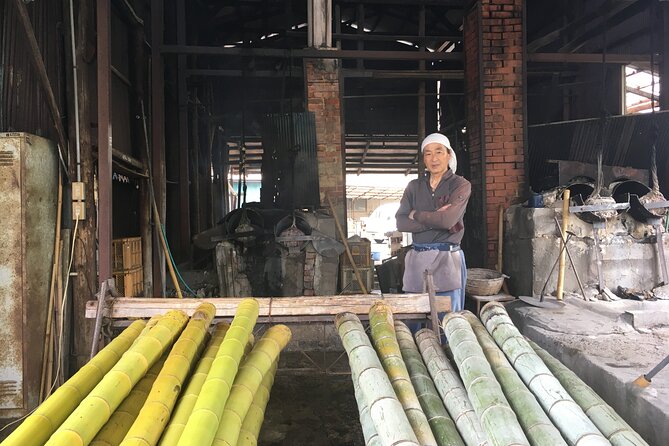
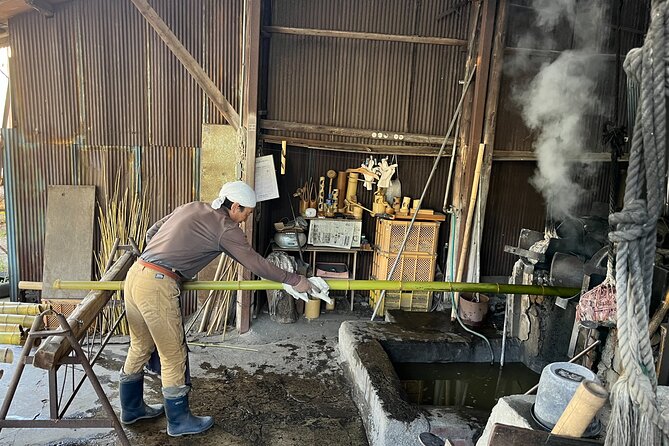
Nagai Bamboo Factory is the most distinctive stop for many people. Founded in 1908, it has a working connection to Beppu’s long bamboo craft tradition, using bamboo from Oita Prefecture.
You can see artisans at work, look into the workshop, and browse finished bamboo products. The visit is not just a display of objects. It gives you a chance to understand the labor behind them, including the patience and precision required to turn a natural material into useful household goods or decorative pieces.
This is also the clearest souvenir opportunity on the walk. Purchases are not included, so bring a payment method you plan to use in Japan if you hope to take something home. A bamboo item from the factory carries a stronger connection to the place than a generic gift-shop purchase, though the tour does not promise a hands-on craft lesson.
The half-hour schedule is a good compromise. You have time to watch and ask questions, but the stop remains part of a wider cultural walk. If bamboo work interests you, you may wish the visit were longer. Still, the chance to see skilled artisans face to face is unusual and gives the tour much of its character.
Twenty minutes at Kiyoshima Apartment
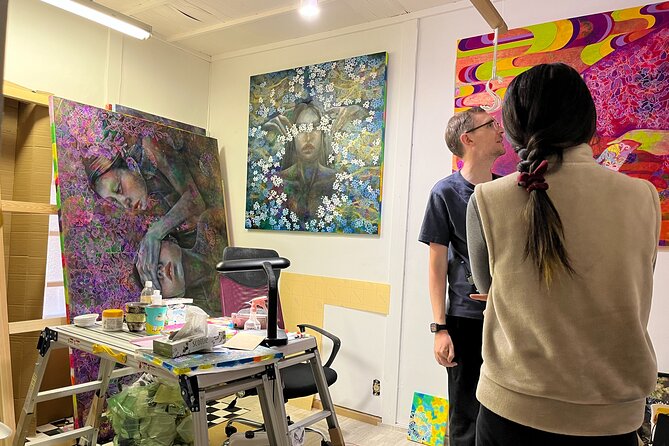
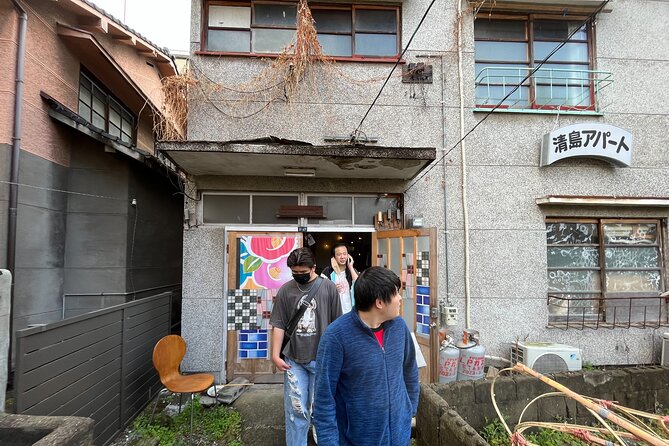
Kiyoshima Apartment is an artist residence where artists live and show their work. The setting is important. You are not visiting a polished museum alone, but a place tied to working artists and their daily surroundings.
The available experience can vary, since access depends on the people present. When the visit goes as planned, you can meet artists, see their work, and ask about life in Beppu. One especially memorable part of the experience is the possibility of being welcomed into a resident’s home, where you can ask questions about local life directly.
That personal contact is a major reason to choose this tour. A gallery can tell you about art, but an artist residence gives you a sense of how creative work fits into a neighborhood. It also keeps the tone informal. You are there to look, listen, and talk, not to rush through a set of labels.
Be respectful here. This is a lived-in place, not only a public attraction. Opening times and access may change, and the route can be adjusted when a business or artist is unavailable. That uncertainty is the trade-off for seeing a real working community rather than a fixed exhibit.
More outings on foot around Japan:
- Rotorua: Hell’s Gate Outdoor Mud Spa & Guided Walk
★ 4.7 · 1,140 reviews - From Krakow: Slovakia Treetop Walk, Zakopane & Thermal Spa
★ 4.7 · 110 reviews - Kinabalu Park & Poring Hot Spring & Canopy Walk
★ 4.5 · 80 reviews - Arenal Hanging Bridges, Guided Walk, Hot Springs Optional
★ 5.0 · 80 reviews
Twenty minutes at Space Beppu
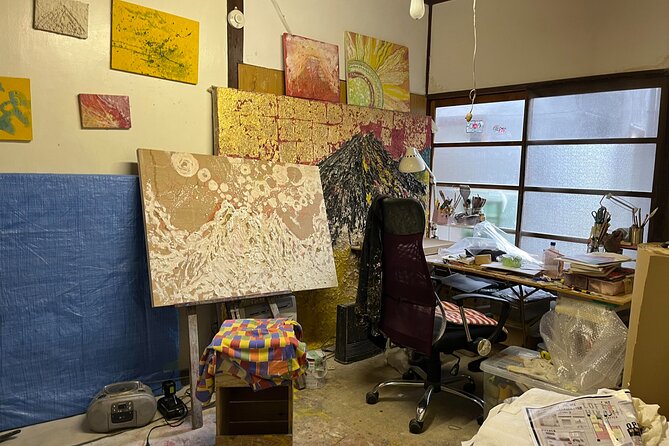
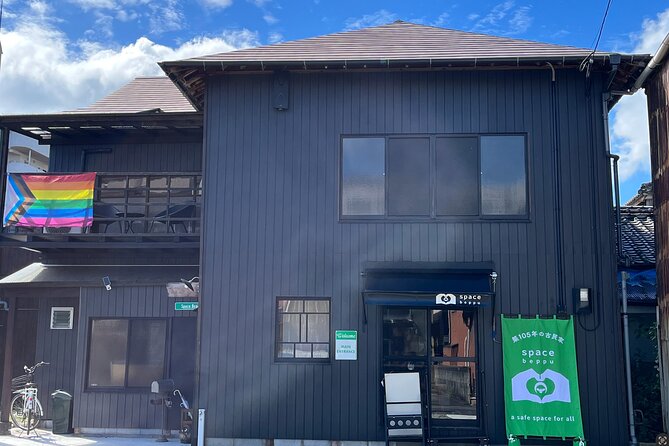
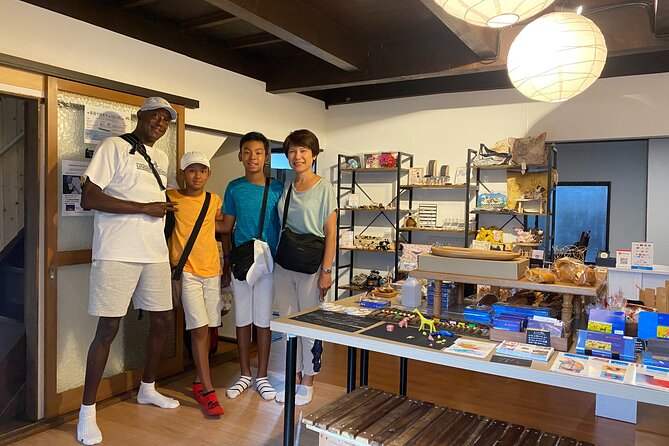
The walk finishes at Space Beppu, a century-old Japanese house used as a contemporary art gallery, gift shop, and historical display space. The building brings several threads of the tour together: old architecture, modern art, local memory, and shopping.
Inside, you can see the Beppu Historical Museum and exhibitions connected with artists from Kiyoshima Apartments. A history room contains old photographs of Beppu, offering a visual look at how the city has changed over time.
The stop is paced as a relaxed ending. You can look at artwork, browse the gift shop, and spend time in the building with local residents. Admission fees for the facilities are included, but purchases, food, and drinks are extra.
Space Beppu is a useful final stop because it gives context to the streets you have just walked. The photographs help you connect present-day Beppu with its earlier years, while the gallery shows that the city’s creative life is still active. If your main interest is hot-spring bathing, this stop may feel less essential. If you want art and local history, it adds real value.
What the tour teaches about onsen culture
The tour includes an explanation of how local people enjoy onsen, but it does not take you inside an onsen building. That distinction is important when deciding if this suits your plans.
You will not bathe, receive a towel, or get a guided tour of an onsen facility as part of this experience. Instead, onsen culture is part of the wider conversation about Beppu and daily life.
For a first visit, that can be useful. You get cultural context before deciding how to use a public bath on your own. If your priority is hands-on bathing, choose a separate onsen experience and use this walk for the parts of Beppu that are easier to miss.
The tour’s approach also avoids turning local customs into a quick photo stop. You have time to ask practical questions, though the exact topics covered depend on your guide and group.
Why the small group matters
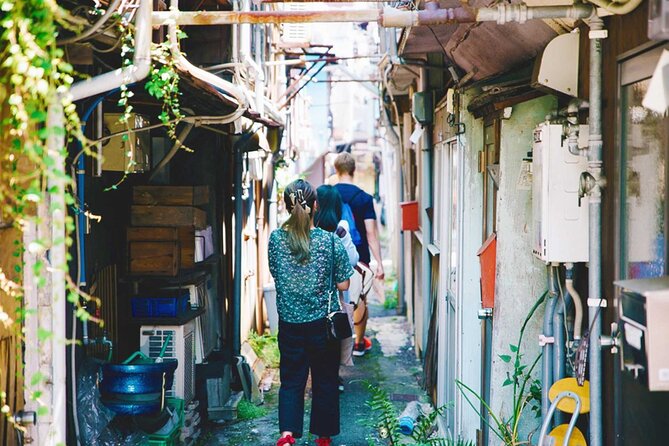
Eight people is a sensible maximum for this route. Narrow streets, a workshop, an artist residence, and conversations with local people all work better when the group is compact.
A small group also makes the guide’s role more useful. You can ask why bamboo matters in Oita, how the artist residence works, or what the old photographs reveal about Beppu. Several participants have singled out the guides’ patience, friendly manner, and clear English, and Masa is a name worth noting if he is assigned to your departure.
The group size does not guarantee a private tour. You may still share the guide’s attention, and the experience can change according to who is present at each stop. But compared with a large coach excursion, this format gives you far more opportunity for conversation.
Is $58 a fair price?
At $58 per person, the tour is not the cheapest way to walk around downtown Beppu. You could visit public streets and markets on your own for little or no cost.
The price makes more sense when you value access and interpretation. It covers admission fees, a live bilingual guide, a small group, and visits that are harder to arrange independently, especially the bamboo workshop and artist residence. You are paying for the connection between the places, not simply entry to one attraction.
The bamboo factory is the strongest value point. Seeing a working craft shop and meeting artisans can be difficult without local language skills or prior arrangements. The artist residence adds another personal stop, while Space Beppu supplies art and historical context.
I would consider the price fair for visitors who want local contact and a guided introduction to Beppu’s creative side. It is less compelling if you only want famous sights, an onsen bath, or a food-focused outing. Souvenirs, food, drinks, and bottled water are not included, so allow extra money if you plan to shop.
Walking conditions and practical limits
This is a walking tour through downtown streets and alleys. The supplied information does not give a total walking distance, so I would wear comfortable shoes and expect to remain on your feet for most of the two hours.
The tour is not suitable for wheelchair users and is not recommended for people with back problems. Most people can participate, and the listed age range is 0 to 80, but the route’s specific access can change with the day’s stops.
The meeting point is easy to identify: stand in front of the Wander Compass tourist information center just outside the east exit of Beppu Station. Keep your phone ticket available and arrive five minutes before the start.
Because opening times can change, do not plan a tight connection immediately afterward. The stated duration is 120 to 150 minutes, so leave some breathing room before a train, meal reservation, or other timed activity.
You can cancel up to 24 hours before the start for a full refund, and the reserve-now, pay-later option keeps the booking flexible. Those terms are useful if your Kyushu schedule is still shifting.
Who will enjoy this walk most
I would recommend it to first-time visitors who want Beppu to feel like a lived-in city rather than a checklist of attractions. It also suits repeat visitors who have already seen the major hot-spring sights and want a more personal look at local work and art.
Art lovers will get the most from Kiyoshima Apartment and Space Beppu. Craft enthusiasts should focus on the bamboo factory, where the working process matters as much as the finished goods.
The tour is also a good choice for solo visitors and couples who want conversation without committing to a full-day excursion. The eight-person limit gives you a chance to ask questions and meet others without the scale of a bus tour.
I would choose something else if you want to enter an onsen, visit the Hells, taste several local dishes, or spend a full day photographing Beppu’s most famous sights. This walk is about quiet cultural contact, not headline attractions.
Should you book it?
Book this tour if you want to see Beppu through its makers, artists, market workers, and local customs. The combination of a 1908 bamboo factory, a lived-in artist residence, and Space Beppu gives you more than a standard downtown stroll, while the small group and bilingual guide make the experience easy to follow.
Skip it if your schedule is too tight for a flexible two-hour walk, or if entering an onsen is your main goal. For everyone else, $58 is a reasonable price for access to places and conversations you may not arrange alone. Just arrive ready for a quieter side of Beppu, and remember that the route can change when local businesses change their hours.
FAQ
Where does the tour meet?
Meet in front of Wander Compass, the Beppu Station tourist information center just outside the east exit of Beppu Station.
How long does the tour last?
The listed duration is two hours, with the practical tour outline allowing about 120 to 150 minutes.
What languages are available?
The live guide service is available in English and Japanese.
Does the tour visit the Beppu Hells?
No. The route focuses on lesser-known cultural streets and alleys in downtown Beppu rather than the Hells.
Do I enter an onsen building?
No. You learn how local people enjoy onsen, but the tour does not take you inside an onsen building.
Is the tour wheelchair accessible?
No. The experience is not suitable for wheelchair users, and it is not recommended for people with back problems.
Newly listed around Japan
- Hakone: Traverse the Hakone Caldera and Enjoy Onsen★ 4.6 · 8 reviews
- Mount Fuji – Hakone & Onsen Full Day Private Tour★ 3.8 · 6 reviews
- Fukuoka: Mt. Aso Volcano & Kurokawa Onsen Scenic Day Tour★ 3.8 · 37 reviews
- From Tokyo: Private Motorcycle Tour – Fuji, Hakone, Onsen★ 4.9 · 12 reviews
- From Nozawa Onsen: Snow Monkeys and Zenko-ji Day Trip & Sake★ 4.9 · 13 reviews
- From Kanazawa: Kurobe Gorge & Unazuki Onsen Full-Day Tour★ 4.3 · 8 reviews
- 1-Day Tour from Takayama: Unveiling the Charm of Gero Onsen★ 5.0 · 5 reviews
- Osaka: Solaniwa Onsen Hot Spring Visit★ 4.6 · 51 reviews
Japanese Onsen Experiences, compared.

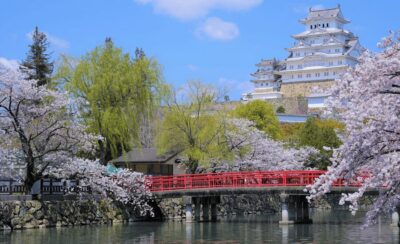
Himeji Castle, Arima Onsen & Mt. Rokko Day Tour
Read our review →
Private Tour to Fuji/Hakone – Onsen, Art, Nature
Read our review →
All-Day Pass to Yunomori Sathorn Onsen Bath and Spa
Read our review →
Mt. Fuji, Hakone Private Tour from Tokyo – Onsen, Arts and Nature
Read our review →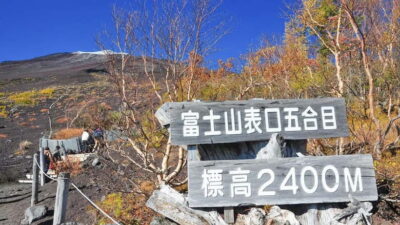
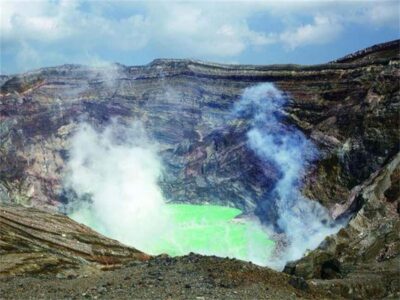
From Fukuoka: Mount Aso, Kurokawa Onsen, and Shrine Tour
Read our review →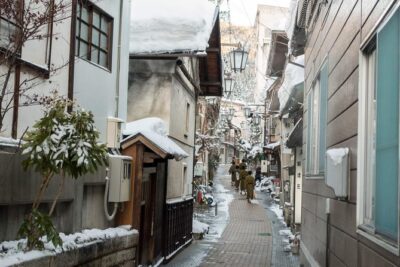
Private Nagano 1-Day Tour:Snow Monkeys,Zenko-ji,Obuse,Sake,Onsen
Read our review →Browse the lists this tour appears in