
Review · JAPANESE ONSEN EXPERIENCES
Kobe Guided Tour Including Port Area and Arima Onsen Town
Kobe’s appeal is its split personality, and this four-hour outing puts both sides on the same day. You begin among port views, foreign influence, food, and city streets, then head toward Arima Onsen, an old hot-spring town in the mountains. That change of mood is the tour’s main attraction.
I like the small maximum of 10 people, and I like that guide Yuta can adjust the pace and focus when conditions change. The combination of Kobe Port Tower, Nankinmachi, and Ikuta-jinja gives you a useful first look at the city. The main drawback is time: four hours is tight for such a wide route, and the tour ends outside central Kobe, with your return journey still ahead.
Key points before you book
- Two sides of Kobe in four hours: See the port district and old city center before heading to traditional Arima Onsen.
- A small group with Yuta: The maximum is 10 people, and a very small booking may become a personal walking tour.
- A mostly walking-based outing: Expect a moderate level of physical activity, with city streets and time on foot in Arima.
- The tour ends at Arima Onsen Station: You do not return to Motomachi, and the trip back to central Kobe takes almost an hour.
- Extra costs matter: Port Tower admission, transportation fares, and dinner are not included.
- A flexible plan: If a late start makes Arima impractical, the guide may adjust the route to suit your interests.
Why this Kobe route works
Kobe is easiest to understand when you see its port and mountain resort together. The harbor explains the city’s links with overseas trade and international communities. Arima, reached beyond Mount Rokko, offers a very different setting, with old streets, hot springs, and a slower rhythm.
That contrast gives this outing more purpose than a standard downtown walk. You are not simply checking off four unrelated sights. You are moving from Kobe’s outward-looking port culture to one of Japan’s best-known hot-spring towns.
The route begins at Motomachi Station at 10:00 am. This is a practical meeting point near several of the central sights. You should arrive ready to walk, since the tour covers several neighborhoods before the final stop in Arima.
The group size is limited to 10 people. That matters on a walking tour. A large group can make crossings, conversations, and questions awkward. With fewer people, you have a better chance to ask Yuta about the places around you and keep the outing moving at a sensible pace.
One unusual possibility is a private-feeling tour without paying for a private tour. One person reported that the other bookings had canceled, leaving Yuta to provide a personal walking day. That will not happen on every date, but a small booking can make the experience feel more direct.
More Onsen Experiences in Japan:
- From Osaka: Himeji Castle, Arima Onsen & Mt. Rokko Day Tour
★ 4.6 · 339 reviews - From Tokyo: Private Tour to Fuji/Hakone – Onsen, Art, Nature
★ 5.0 · 116 reviews - Mt. Fuji, Hakone Private Tour from Tokyo – Onsen, Arts and Nature
★ 5.0 · 79 reviews
Kobe Port Tower and the Meriken Park waterfront
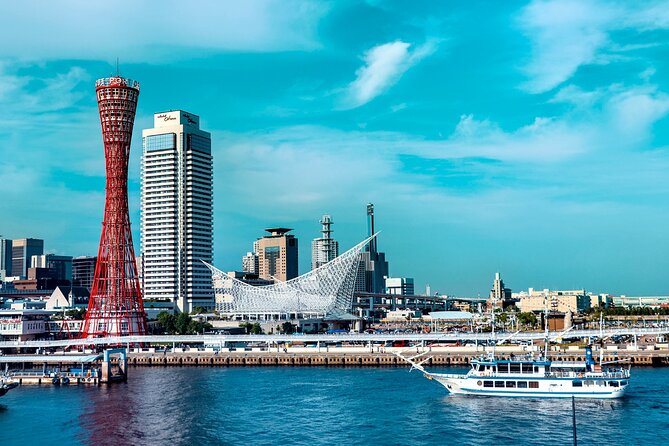
Kobe Port Tower is the first major stop, with about an hour set aside for the port area. The red lattice tower rises 108 meters beside Meriken Park and is one of Kobe’s most recognizable sights.
The tower’s observation facilities offer broad views over Kobe and the harbor. Admission is not included, so decide before you arrive if you want to pay for the view. If you are watching your budget, the surrounding waterfront still gives you a good sense of Kobe’s port setting without adding a ticket cost.
The hour here can work in two ways. You might use it mainly for the tower, or you might spend more time walking around Meriken Park and looking at the waterfront from ground level. Ask Yuta how the timing will be handled on your date, especially if you want to go up the tower.
This is also where the city’s modern character comes into focus. Kobe developed as a major port and became a meeting point for trade and international residents. That background helps explain the foreign touches you will see later in the central districts.
The practical issue is that a tower visit uses part of a short tour. Since Arima Onsen receives two hours, the guide has to keep the morning moving. You should not expect a long, unhurried stop at every port attraction.
Nankinmachi, Kobe’s Chinese quarter

The next stop is Nankinmachi, Kobe’s Chinatown, for about 30 minutes. It sits near Motomachi Station and is one of the most compact food and shopping areas in the city.
Half an hour is enough to get your bearings, see the main streets, and decide if you want to return later for food. It is not enough for a full meal, extended shopping, and a slow wander. Since dinner is not included, you can treat this stop as a preview and come back on your own if the food catches your attention.
This neighborhood helps show the international side of Kobe in a direct, everyday way. The port brought people, trade, and new customs into the city. Nankinmachi is one of the clearest places on this route to see how those connections became part of Kobe’s local identity.
Food is a strong reason to pay attention here. One account specifically found good eating and shopping around Chinatown. If you want to sample something, tell Yuta early, since a 30-minute stop can disappear quickly.
The timing also means you should not assume lunch is part of the tour. Dinner is specifically extra, and there is no included meal listed. Carrying some cash or planning your own food stop later is sensible.
Ikuta-jinja and Kobe’s older roots
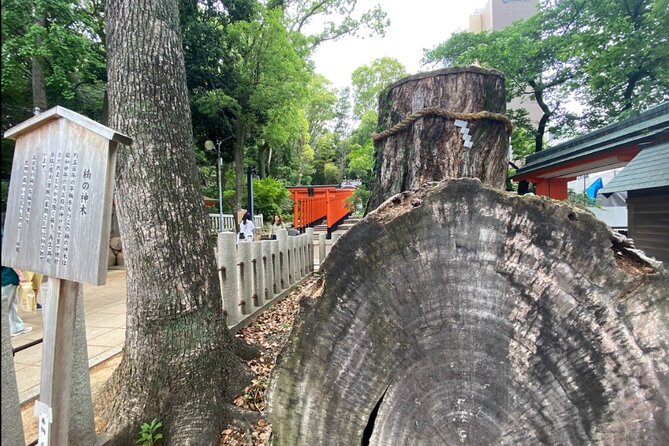
Ikuta-jinja gives the city walk a quieter religious stop. The shrine was founded in the third century and is considered one of Japan’s oldest. You receive about 30 minutes here, with no admission charge.
A short visit is enough to see the main shrine area and pause after the busier streets of Nankinmachi. It also gives Yuta a chance to explain the cultural side of Kobe, rather than keeping the tour focused only on trade, shopping, and scenery.
I like this stop because it breaks up the urban route. The port and Chinatown show Kobe as a place shaped by movement and exchange. Ikuta-jinja points to traditions that reach far further back.
You should keep expectations realistic. Thirty minutes is a brief introduction, not a detailed shrine study. If Shinto architecture, rituals, or the shrine’s long past are your main interests, ask questions while you are there and consider returning independently.
More visits with a guide alongside around Japan:
- Guide tour of Japanese bathing culture at Funaoka Onsen
★ 5.0 · 15 reviews - Onsen Spa in Tokyo and Asakusa Bar Hopping with Local Guide
★ 5.0 · 3 reviews - Kobe Guided Tour Including Port Area and Arima Onsen Town
★ 5.0 · 3 reviews - Bali: Mount Batur Sunrise Guided Hike and Natural Hot Spring
★ 4.8 · 9,284 reviews
The change of pace in Arima Onsen
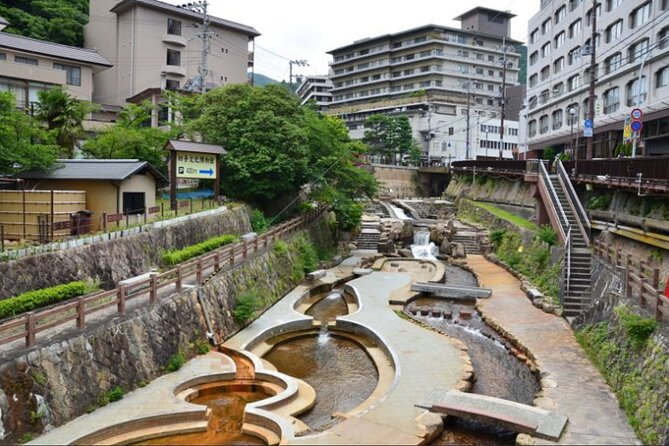
Arima Onsen receives the longest stop, about two hours, and this is where the outing changes character. The town sits in the mountainous part of Kobe and is known for hot springs with more than a thousand years of history.
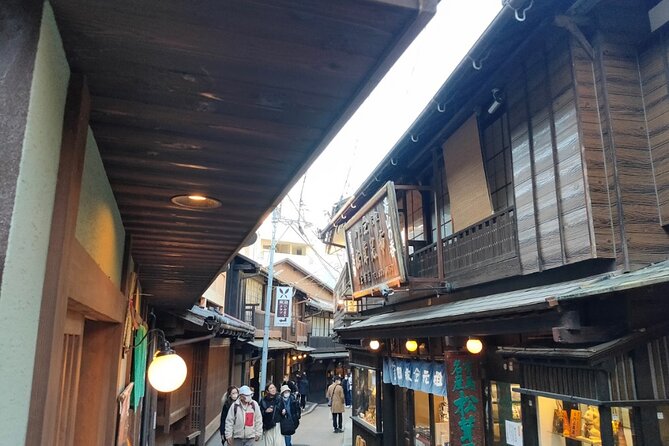
The route from the city to Arima is a major part of the appeal. You leave the port districts behind and arrive in a compact old town where walking makes sense. Arima is described as quaint and walkable, so two hours gives you enough time to see the streets, browse, and decide how you want to use the stop.
A free public hot foot bath is one especially useful possibility. It is worth the walk and gives you a way to experience the hot-spring setting without paying for a full bathing facility. The information provided does not promise a full bath visit, so do not book this tour expecting admission to a private onsen.
You can also use the time to explore the town at an easy pace. The guide introduces the area, then you have a chance to look around. The combination of old streets, shops, and hot-spring culture makes Arima feel quite different from central Kobe.
The two-hour allocation is generous compared with the other stops, but it can still feel short if you want a full hot-spring visit, a meal, shopping, and a relaxed walk. Dinner is not included, and the tour ends at Arima Onsen Station rather than bringing you back into the city.
Timing is the tour’s weak point
The biggest practical concern is the distance between the stops. The tour covers the waterfront, Chinatown, a shrine, and a mountain hot-spring town in about four hours. That is a lot of ground for one morning and early afternoon.
A schedule change can affect the balance. One outing was moved to the afternoon, leaving too little daylight for Arima Onsen. In that case, Yuta changed the plan to match the participant’s interests. That flexibility is helpful, but it also shows why you should confirm the start time and route before setting your expectations.
The advertised start is 10:00 am. A morning departure gives Arima a better chance of receiving its planned two hours. If your booking is shifted later, ask whether the town will still be included and how much time will remain there.
You should also expect some walking and changes in pace. The tour asks for moderate physical fitness. No special ability is listed, but this is not a seated sightseeing trip. Comfortable shoes matter more than dressed-up clothes.
Price and what the $84.55 covers
At $84.55 per person, this is not the cheapest way to see Kobe, but value depends on what you want from a half-day. You are paying for a guide, route planning, local explanation, and the chance to connect four very different places without organizing the day yourself.
The small group improves the value. A maximum of 10 people makes it easier to hear the guide and ask questions. If the date has only a few bookings, you may receive even more direct attention.
The price includes gifts for all participants, but it does not include Port Tower admission, transportation fares, or dinner. The stated transportation note refers to fares between Teradacho and Shinimamiya, while the meeting point is Motomachi Station. Because that wording may not match your actual journey, ask Yuta or the booking contact which transport costs apply to your date.
The tour’s value is strongest for first-time visitors who want a guided overview. If you already know Kobe well, or if you prefer to spend a full day at Arima, you may get more from arranging the two areas separately. The cost buys convenience and interpretation, not a long stay at each sight.
Who will get the most from this outing
I would choose this tour if you have limited time in Kobe and want the city’s major contrasts explained in one outing. It suits someone who likes walking, short cultural stops, and a guide who can connect places rather than simply point them out.
It is also a good fit if you are unsure how to reach Arima Onsen or would rather not coordinate the route yourself. The guide takes you to the town and explains how to get back after the tour.
Food-focused visitors can use Nankinmachi as a useful introduction, but the short stop may not satisfy anyone planning a long meal. Hot-spring fans should also note that the visit is to Arima Onsen town, not a guaranteed full bathing session.
The tour may be less suitable if you dislike ending away from your hotel area. Arima Onsen Station is close to the town, but returning to central Kobe takes almost an hour. You are given guidance for making the return trip yourself, yet that final journey remains your responsibility.
Small details that make the day easier
Meet at Motomachi Station at 10:00 am and allow enough time to find the exact meeting point. The address given is 1 Motomachikokadori, Chuo Ward, Kobe.
Wear shoes suited to a moderate walking day. The route includes city streets, the waterfront, shrine grounds, and Arima’s sloping town area. Keep some money available for the tower, food, and any transport costs.
The tour uses a mobile ticket, and confirmation is sent when you book. The activity is limited to a maximum of 10 people, and the confirmation should be checked carefully for any change in start time.
The experience is non-refundable and cannot be changed after booking. That makes it especially important to confirm your schedule before paying, since illness, weather, or a change of plans will not produce a refund.
Should you book this Kobe tour?
Book it if you want a compact introduction to Kobe that includes both the harbor and Arima Onsen. Yuta’s flexible approach, the small group, and the mix of city history, food culture, shrine tradition, and hot springs give the outing a clear purpose.
Skip it if you want a slow day, a guaranteed full onsen bath, or a simple return to central Kobe. The route is ambitious for four hours, and extra costs plus the trip home from Arima need to be part of your plan.
For a first visit, I see this as a useful orientation with a memorable change of scenery. Just protect the morning start, wear good shoes, and treat Arima as the main payoff rather than trying to linger at every stop.
FAQ
Where does the tour begin?
The tour begins at Motomachi Station in Kobe, at 1 Motomachikokadori, Chuo Ward, Hyogo 650-0014, Japan.
What time does the tour start?
The scheduled start time is 10:00 am.
Where does the tour end?
The tour ends at Arima Onsen Station, which is close to the Arima Onsen town area.
How long does the tour last?
The experience lasts approximately four hours.
Is transportation included?
Transportation fares are not included. The provided fare note refers to Teradacho to Shinimamiya, so confirm which transport costs apply to your booking.
Is admission to Kobe Port Tower included?
No. Admission to Kobe Port Tower is not included.
Is dinner included?
No. Dinner, along with any food or beverages you choose, is extra.
How large is the group?
The tour accepts a maximum of 10 participants.
Newly listed around Japan
- 2-Hour Oriental Body and Head Massage in Kyoto Japan★ 5.0 · 9 reviews
- Guide tour of Japanese bathing culture at Funaoka Onsen★ 5.0 · 15 reviews
- Hands On Pottery Workshop in Arima Onsen★ 5.0 · 3 reviews
- Hot Spring Town Walking Tour in Shima Onsen★ 5.0 · 7 reviews
- Full Day Tour to Kurobe Gorge and Unazuki Onsen from Kanazawa★ 5.0 · 17 reviews
- Mt. Inunaki Trekking and Hot Springs in Izumisano, Osaka★ 5.0 · 3 reviews
- Kinosaki Onsen Cycling Tour Kinosaki & Riverside Experience★ 5.0 · 5 reviews
- Sauna experience with great view & tour to enjoy food, blue beer★ 5.0 · 2 reviews
Japanese Onsen Experiences, compared.
Himeji Castle, Arima Onsen & Mt. Rokko Day Tour
Read our review →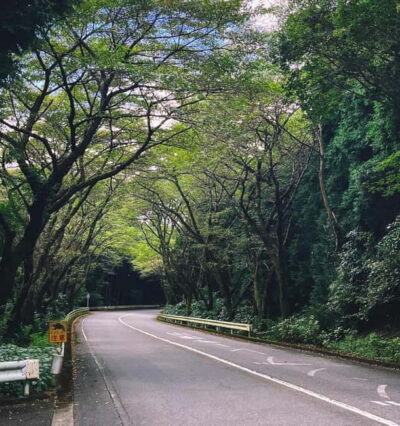
Private Tour to Fuji/Hakone – Onsen, Art, Nature
Read our review →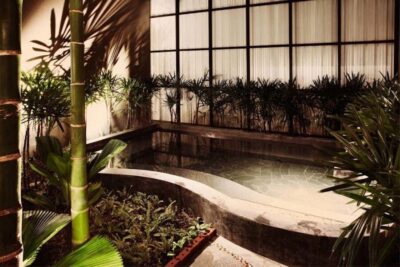
All-Day Pass to Yunomori Sathorn Onsen Bath and Spa
Read our review →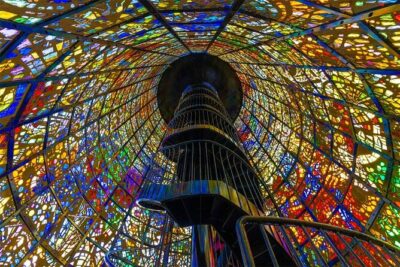
Mt. Fuji, Hakone Private Tour from Tokyo – Onsen, Arts and Nature
Read our review →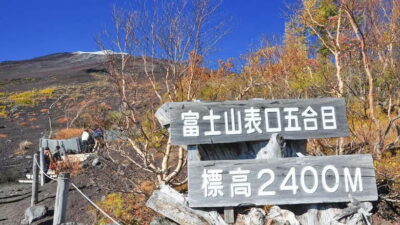
From Fukuoka: Mount Aso, Kurokawa Onsen, and Shrine Tour
Read our review →
Private Nagano 1-Day Tour:Snow Monkeys,Zenko-ji,Obuse,Sake,Onsen
Read our review →Browse the lists this tour appears in