
Review · JAPANESE ONSEN EXPERIENCES
Guide tour of Japanese bathing culture at Funaoka Onsen
Japanese bathing is not simply a matter of getting wet and getting clean. At Funaoka Onsen, you wash before entering the tubs, follow quiet public-bath customs, and let the heat do its work. This 90-minute experience gives you the rules before you face the changing room, which is especially useful if it is your first visit.
I like the unusual opening at Sarasa Nishijin, a cafe built from a former bathhouse, and the small group size of no more than five people. Guide Atsuki also explains the background of public baths and stays nearby to help you feel at ease. The main consideration is clear: bathing is nude and separated by gender, so couples will bathe apart, and the guide’s English is limited.
Key points to know before booking
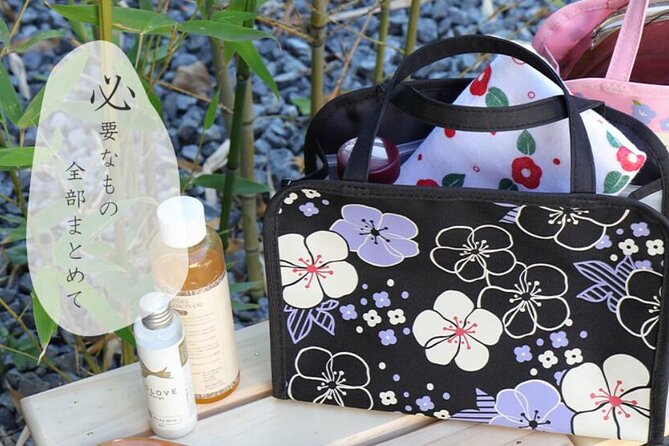
- You begin at a former bathhouse: Sarasa Nishijin provides a relaxed setting for a drink, a short history lesson, and practical bathing advice.
- Funaoka Onsen is the main event: You use the etiquette lesson right away at one of Kyoto’s best-known traditional public baths.
- Guide Atsuki leads the experience: He is a local Japanese guide and an independent provider, not an employee of Funaoka Onsen.
- Nude bathing is required: The men’s and women’s baths are separate, and couples cannot bathe together.
- The group is capped at five: That makes it easier to ask questions and get help with the bathing steps.
- You need to be fit for hot water: People with certain serious medical conditions, fever, illness, or recent alcohol consumption should not participate.
Why this Kyoto bath experience feels different
Many Kyoto activities ask you to look at Japanese culture from the outside. This one asks you to follow a daily custom from the inside, with one important condition: you must be comfortable bathing without a swimsuit.
Japanese public baths, known as sento, and hot spring baths, known as onsen, have their own set of habits. You clean your body before entering the shared water. You keep towels out of the tub. You avoid turning the bathing area into a loud social space. None of this is hard, but the unfamiliar setting can make a first visit feel more stressful than relaxing.
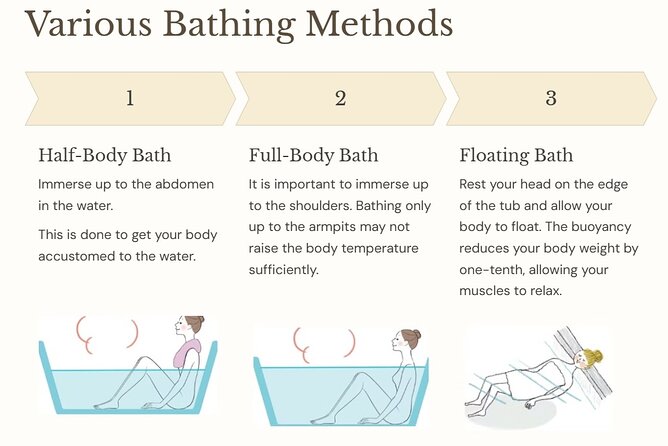
That is where this experience earns its price. Atsuki explains the steps before you enter the bath, then helps you apply them in person. You are not left to decode signs, watch everyone else, and hope you have guessed correctly. The lesson also covers the meaning and health benefits associated with Japanese bathing, giving the experience more context than a simple admission ticket.
The format remains personal. With a maximum of five people, you should have room to ask a basic question without holding up a large group. That small scale also suits solo visitors, who may appreciate having a guide close by during a first bathhouse visit.
More Onsen Experiences in Japan:
- From Osaka: Himeji Castle, Arima Onsen & Mt. Rokko Day Tour
★ 4.6 · 339 reviews - From Tokyo: Private Tour to Fuji/Hakone – Onsen, Art, Nature
★ 5.0 · 116 reviews - Mt. Fuji, Hakone Private Tour from Tokyo – Onsen, Arts and Nature
★ 5.0 · 79 reviews
Sarasa Nishijin, a cafe with a public-bath past
The first stop adds character before you ever enter Funaoka Onsen. Sarasa Nishijin is a cafe converted from a public bathhouse, so the setting itself introduces you to the old public-bath tradition.
You spend about 15 minutes here with a drink while learning how Japanese public baths developed and how to bathe properly. It is a short stop, but it helps set the tone. Instead of beginning with a locker room and a pile of unfamiliar instructions, you get a calm explanation in a place connected to the same tradition.
I like this opening because it does more than fill time. A former bathhouse turned cafe lets you see how these neighborhood institutions fit into Kyoto’s daily life and changing city culture. The lesson also includes a guide to proper bathing techniques that you can take with you.
Do not expect a long architectural visit or a full cafe meal. The stop lasts roughly 15 minutes, so think of it as an orientation with a drink, not a separate sightseeing attraction. The useful part is the preparation.
There is also a practical point to confirm before you go. The stated meeting and ending point is Funaoka Onsen, while Sarasa Nishijin appears as the first stop. Check the exact meeting instructions and route with the provider so you know where to report at the start.
Learning the rules before entering Funaoka Onsen
At Funaoka Onsen, the guide continues the lesson with materials that explain the bathing process. This second explanation matters because the first visit can feel intimidating even after a general introduction.
You will learn the order of events and the small habits that make shared bathing comfortable for everyone. The goal is not to perform a complicated ritual. It is to wash properly, use the facilities respectfully, and enjoy the hot water without worrying that you have broken an unwritten rule.
Atsuki’s role is practical here. He gives you the background of onsen and sento bathing, explains the steps, and helps you move through the process with less uncertainty. His guidance is particularly useful if you are traveling alone or have never used a Japanese public bath.
One detail adds historical interest. Funaoka Onsen has a story connected to how its founders competed with traditional geothermal onsen. That makes it more than a place to take a soak. You are also seeing an institution shaped by Japan’s long bathing tradition and by the changing way public baths served local communities.
The experience does not promise an exclusive bath or a private room. You are entering a public facility used by local residents, which is part of its appeal. It also means you should be ready for a genuine public-bath setting rather than a controlled activity built only for visitors.
What the actual bathing session is like
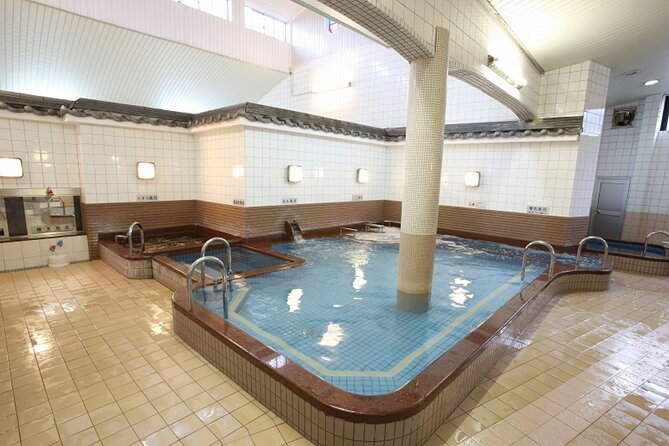
The bathing portion lasts about one hour. After the explanation, you try the method yourself at Funaoka Onsen.
The central point is simple: you bathe without clothing. Men and women use separate areas, so a couple will not share the same bathing room. Some people will find this natural after a few minutes. Others may decide that the format is not right for them. Read that detail as a firm condition, not a minor footnote.
Your guide is there to explain the process, but the experience is still a public bath. You should expect to follow the facility’s ordinary rules and respect the privacy of other bathers. The guide is independent and is not an employee of Funaoka Onsen, so his role is to support your cultural experience rather than manage the facility.
The biggest benefit is peace of mind. Once you know when to wash, where the shared bathing takes place, and how to handle the basic etiquette, you can stop worrying about making a mistake. The bath then becomes what it is meant to be: a quiet pause after walking around Kyoto.
Several people who completed the experience specifically praised the explanation before bathing and the way it helped them relax. That makes sense. Kyoto can fill a day with temples, shrines, and long walks. A bathhouse visit offers a different rhythm, and it can be a welcome change after sightseeing.
More visits with a guide alongside around Japan:
- Kobe Guided Tour Including Port Area and Arima Onsen Town
★ 4.5 · 5 reviews - Onsen Spa in Tokyo and Asakusa Bar Hopping with Local Guide
★ 5.0 · 3 reviews - Kobe Guided Tour Including Port Area and Arima Onsen Town
★ 5.0 · 3 reviews - Bali: Mount Batur Sunrise Guided Hike and Natural Hot Spring
★ 4.8 · 9,284 reviews
Funaoka Onsen and the value of a local setting
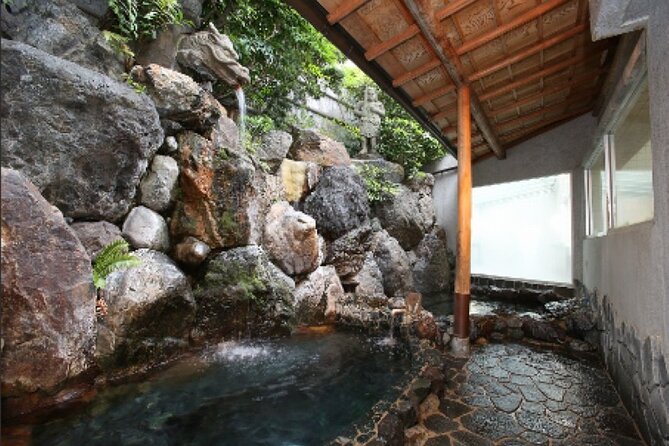
Funaoka Onsen is described as a legendary and well-preserved bathhouse favored by Kyoto residents over many years. The appeal is not luxury. It is the chance to use a traditional public bath in the way it was intended.
That distinction matters when you compare this activity with a hotel spa. A spa may offer privacy, polished facilities, and a more familiar service style. Funaoka Onsen gives you a local custom, shared space, and a direct lesson in Japanese bathing etiquette.
I would choose this experience if you want cultural understanding along with the bath itself. You learn why the steps matter, not just where to find the showers. You also receive advice that applies beyond this one visit, since the basic bathing method can be used at other Japanese onsen and sento.
The setting may be less suitable if you want a private wellness treatment, a mixed-gender soak, or a swimsuit option. The available information does not promise those features, and Japan’s bathing facilities are strictly separated by gender here.
Guide Atsuki and the language question
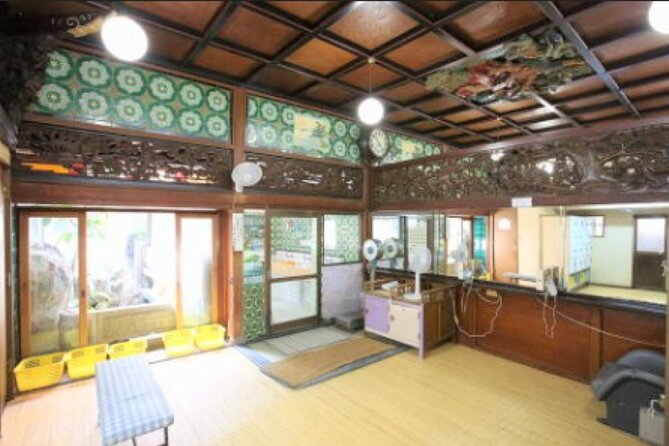
Atsuki is the named guide for this experience. He is a local Japanese guide and operates independently from Funaoka Onsen.
His strongest role is explaining the bathing process and helping you feel comfortable with the etiquette. The information also makes clear that his English is not very strong. You should be prepared for simple communication, visual explanation, and the possibility that a complex question may take extra effort to discuss.
That language limitation does not cancel the value of the activity, but it should shape your expectations. This is not a long lecture in polished English. It is a hands-on cultural lesson, supported by materials and followed by the chance to practice what you have learned.
If you are nervous about the bath, tell Atsuki early. The small group size should make it easier to ask for clarification. You may also want to read the take-home guide carefully and keep your questions focused on the bathing steps.
Is $45.72 a fair price?
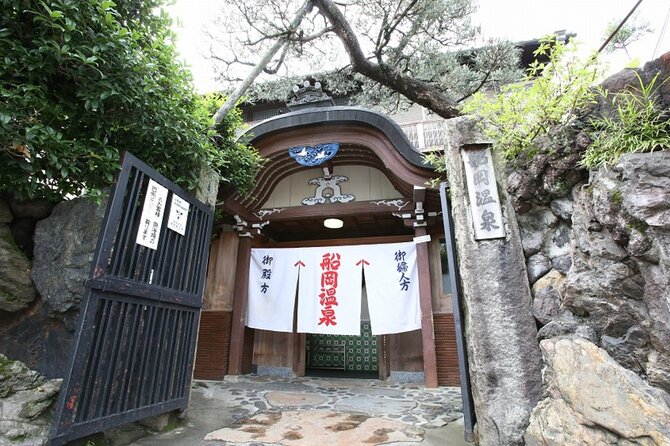
At about $45.72 per person, this is not the cheapest way to enter a Kyoto bathhouse. If all you want is a soak, paying for the public bath on your own will likely be better value.
The price makes more sense if you are paying for confidence and context. Your fee covers the short session at Sarasa Nishijin, the explanation of bathing culture and etiquette, the guided preparation at Funaoka Onsen, and support while you try the process. You also leave with knowledge that can help you use other baths during your Japan trip.
The maximum group of five improves the value. You are not paying for a large coach-style presentation. You have a better chance of receiving direct help, especially if the nude bathing format makes you hesitant.
I would call it good value for a first-time visitor who wants to understand the custom. I would call it poor value for someone already familiar with Japanese baths or someone who only wants a relaxing soak. The experience is about learning how to bathe properly, not simply buying access to hot water.
Timing, health, and practical planning
The full activity lasts about 90 minutes, with around 15 minutes at Sarasa Nishijin and about an hour at Funaoka Onsen. That leaves some time for movement and transitions, but you should still protect the full period in your schedule.
The meeting point and end point are listed as Funaoka Onsen, at 82-1 Murasakino Minamifunaokacho, Kita Ward, Kyoto, 603-8225. The activity is near public transportation, though specific directions are not provided here. Use the mobile ticket and confirm the precise starting instructions before setting out, especially because the cafe is part of the experience.
Hot bathing is not suitable for everyone. Do not join if you have severe heart or lung disease, recent gastrointestinal bleeding, advanced malignant tumors, or severe anemia. You should also skip the activity if you have a fever, feel unwell, have consumed alcohol, or have been told by a doctor to avoid hot springs.
Most people can participate, but the medical cautions deserve attention. A public bath is not the place to test your limits. If you are unsure, follow your doctor’s advice.
You can cancel for a full refund up to 24 hours before the start time. Changes or cancellations inside that window are not accepted for a refund.
Who should book this bathing experience?
I would recommend it to a solo visitor who wants help with a new custom, a couple comfortable bathing separately, and anyone curious about everyday Japanese culture rather than another formal sightseeing stop.
It also suits people interested in wellness, mindfulness, and local traditions. You get time to learn, time to practice, and time to slow down. The experience works well after a day of shrines and temples because it replaces visual sightseeing with a physical, quiet activity.
I would hesitate to recommend it if you require swimsuit bathing, want to stay with your partner in the same room, need fluent English instruction, or dislike shared public facilities. The nude format is central to the experience, not an optional extra.
Should you book it?
Book this experience if you are curious about Japanese bathing but worried about getting the etiquette wrong. The combination of Sarasa Nishijin, Atsuki’s explanation, and a guided visit to Funaoka Onsen gives you more confidence than going alone.
Skip it if you only want the lowest-cost bath or a private spa. For the right person, the $45.72 fee buys useful cultural insight and a calmer first visit. Just accept the gender-separated nude bathing, limited English, and public setting before you commit.
FAQ
How long does the Japanese bathing experience last?
The activity lasts approximately 1 hour and 30 minutes. About 15 minutes are spent at Sarasa Nishijin, followed by about one hour at Funaoka Onsen.
Where does the experience meet?
The listed meeting point is Funaoka Onsen at 82-1 Murasakino Minamifunaokacho, Kita Ward, Kyoto, 603-8225, Japan.
Where does the activity end?
The activity ends back at the meeting point.
Is bathing at Funaoka Onsen nude?
Yes. Nude bathing is required.
Are the bathing areas separated by gender?
Yes. The facilities are separated by gender, so couples bathe in different areas.
Who leads the experience?
A local Japanese guide named Atsuki leads the experience. He is an independent guide and is not an employee of Funaoka Onsen.
Is the guide fluent in English?
The provided information says the guide is not very good at English. Expect simple explanations and supporting materials rather than advanced English instruction.
How many people can join?
The activity has a maximum of five participants.
Can I cancel for a full refund?
Yes. You can cancel at least 24 hours before the start time for a full refund. Cancellations or changes made less than 24 hours before the start time are not accepted for a refund.
Newly listed around Japan
- 2-Hour Oriental Body and Head Massage in Kyoto Japan★ 5.0 · 9 reviews
- Kobe Guided Tour Including Port Area and Arima Onsen Town★ 4.5 · 5 reviews
- Hands On Pottery Workshop in Arima Onsen★ 5.0 · 3 reviews
- Hot Spring Town Walking Tour in Shima Onsen★ 5.0 · 7 reviews
- Full Day Tour to Kurobe Gorge and Unazuki Onsen from Kanazawa★ 5.0 · 17 reviews
- Mt. Inunaki Trekking and Hot Springs in Izumisano, Osaka★ 5.0 · 3 reviews
- Kinosaki Onsen Cycling Tour Kinosaki & Riverside Experience★ 5.0 · 5 reviews
- Sauna experience with great view & tour to enjoy food, blue beer★ 5.0 · 2 reviews
Japanese Onsen Experiences, compared.
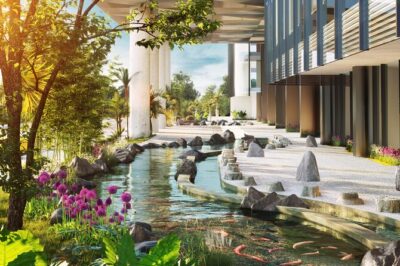
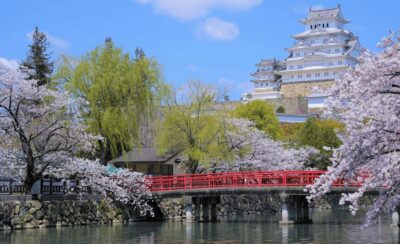
Himeji Castle, Arima Onsen & Mt. Rokko Day Tour
Read our review →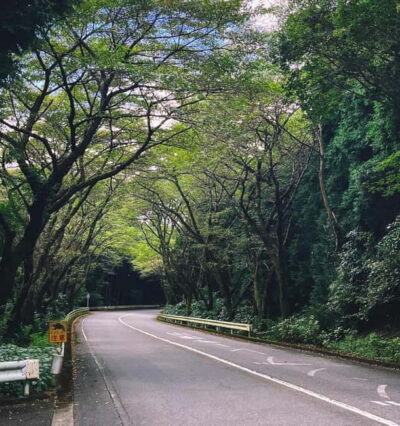
Private Tour to Fuji/Hakone – Onsen, Art, Nature
Read our review →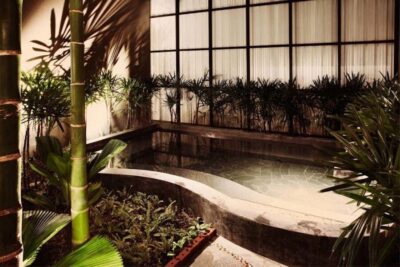
All-Day Pass to Yunomori Sathorn Onsen Bath and Spa
Read our review →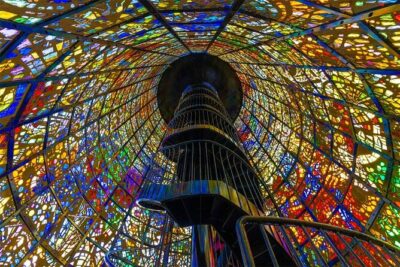
Mt. Fuji, Hakone Private Tour from Tokyo – Onsen, Arts and Nature
Read our review →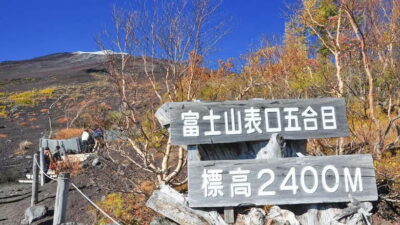
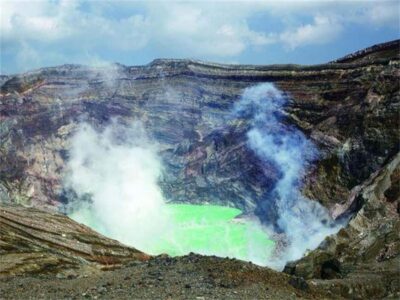
From Fukuoka: Mount Aso, Kurokawa Onsen, and Shrine Tour
Read our review →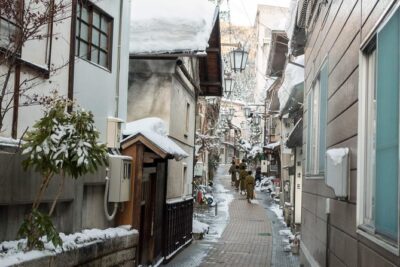
Private Nagano 1-Day Tour:Snow Monkeys,Zenko-ji,Obuse,Sake,Onsen
Read our review →Browse the lists this tour appears in