
Review · OSAKA SPA EXPERIENCES
Osaka:Bamboo Healing Massage at the Temple <90-min>
A massage at a Buddhist temple is already a change from the usual Osaka sightseeing plan. This experience adds a scented foot bath, bamboo fascia work, and a tea ceremony to a 90-minute Japan-style treatment, creating a quiet break from the city.
I like the way the program joins physical relaxation with simple cultural activities. I also like the private format, the chance to choose an essential oil, and the complimentary yukata photo. The main drawback is practical: the meeting point can be hard to find, and the online directions have caused confusion.
Key points to know
- Temple setting: You receive the treatment inside a small Buddhist temple rather than a standard urban spa.
- Several short experiences: The visit includes a foot bath, massage, bamboo fascia release, temple guidance, a yukata photo, meditation, and tea.
- Choice of essential oil: You can select your preferred scent for the full-body oil massage.
- Cultural details: Staff in kimono explain the temple, show you how to worship, and serve wagashi with tea.
- Private booking: Only your group takes part, which makes the setting quieter and more personal.
- Allow about two hours: The massage course is called 90 minutes, but the full visit includes changing, photos, temple activities, and tea.
A temple pause in the middle of Osaka
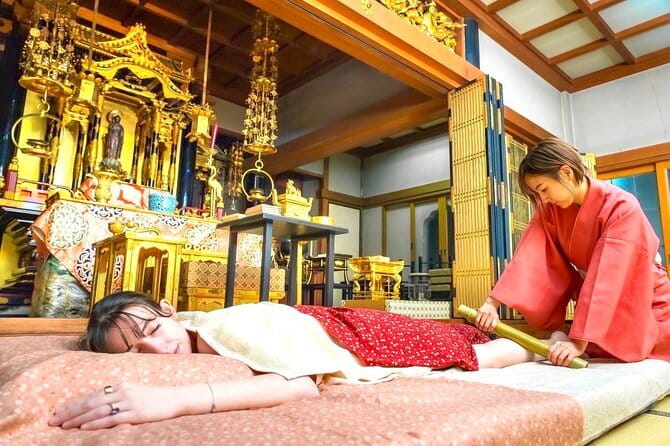
This is not simply a massage with a Japanese decoration added on. The visit is built around a series of small rituals that change the pace of your day. You begin with a welcome from staff dressed in kimono, then move through a foot bath, body treatment, temple orientation, yukata photo, and tea.
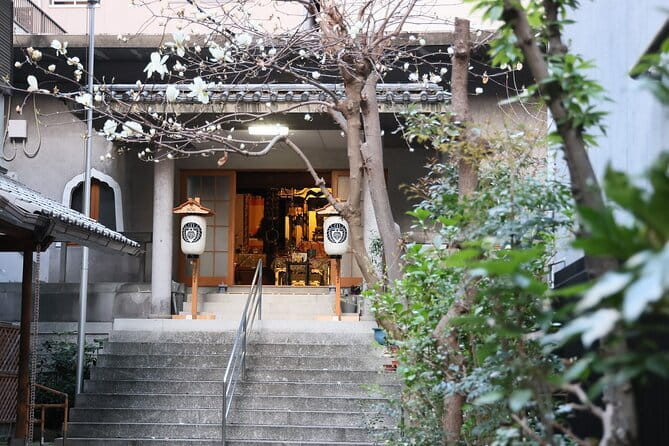
The temple is described as a small Buddhist temple, so do not expect a grand sightseeing complex or a long guided tour. The appeal is the close setting and the chance to receive personal attention in a place used for worship.
The program is also private. That matters if you are traveling alone, arranging a quiet couple’s activity, or simply do not want to share a treatment room with a large group. You will still need to follow the temple’s rules and listen carefully during the explanation of how to worship.
The full activity takes approximately two hours. The massage portion is presented as a 90-minute course, but the welcome, yukata, photo, temple explanation, meditation, and tea ceremony take up the remaining time. Plan it as a half-day pause rather than something to squeeze between two tightly scheduled attractions.
More ways to unwind around Osaka:
- From Osaka: Himeji Castle, Arima Onsen & Mt. Rokko Day Tour
★ 4.6 · 339 reviews - Osaka: Solaniwa Onsen Hot Spring Visit
★ 4.6 · 51 reviews - Himeji Castle, Arima Onsen & Mt. Rokko: 1-Day Bus Tour from Osaka
★ 4.0 · 28 reviews
Finding the meeting point at Kitahorie
The stated meeting point is Tossa de coracao, 1-chōme-6-19 Kitahorie, Nishi Ward, Osaka, 550-0014. The activity begins and ends there.
This is the one part I would handle carefully. The directions have been difficult for some people to follow, and the online directions have not always been accurate. Give yourself extra time, check the meeting details before leaving, and keep the provider’s contact information handy.
The instructions say not to call Saishoji Temple directly. For reservations or questions, contact the experience provider by email. That distinction matters because the temple and the massage provider are not presented as the same contact point.
Since the activity ends at the starting place, you do not need to arrange a separate return transfer. The listing also states that the location is near public transportation, though no particular station or route is provided. I would confirm the final directions after booking instead of relying only on a map pin.
Welcome in kimono and a gentle introduction
Staff in traditional kimono welcome you when you arrive. This first exchange sets the tone. You are not rushed straight onto a massage table, and you receive an introduction to the setting before treatment begins.
Staff explain the temple’s history and origins with the help of guidebooks. They also explain how to worship. That makes the temple setting feel more respectful and useful, especially if you are unfamiliar with Buddhist temple customs.
You may also have the opportunity to wear a yukata. The activity includes a complimentary souvenir photo in the garment. This is a fun addition, but it is worth viewing it as part of the cultural program rather than expecting a full photography session. The available information does not promise multiple poses, professional portraits, or a choice of photo locations.
The photo gives you a keepsake that a normal spa visit would not provide. It also adds a light, playful moment before or after the more restful parts of the visit.
The foot bath starts the treatment
The first body-focused step is a relaxing foot bath. A foot bath is a practical way to shift from sightseeing mode to treatment mode. You can sit, slow your breathing, and let your feet recover before the full-body work begins.
The experience specifically describes a scented foot bath. The scent helps make this feel like more than a quick wash, though the available details do not specify the ingredients, water temperature, or length of time.
This stage may be especially welcome after a day spent walking around Osaka. It is also a gentle entry point if you have never had a Japanese-style massage. You can settle in before the stronger techniques begin.
Same place, a different hour on the table:
- Osaka Temple Head Spa &Matcha Facial – Refresh & Glow〈90min〉
★ 5.0 · 24 reviews - Osaka Temple :Warm Bamboo Oil Massage – Deep Restore〈60min〉
★ 4.9 · 19 reviews - Osaka: Tennen Onsen Naniwa-no-Yu, the famous hot spring spa
★ 4.7 · 19 reviews - Private Car Day Trip to the Kobe Mountains, Gardens and Hot Springs from Osaka
★ 4.5 · 16 reviews
Full-body oil massage with your choice of scent
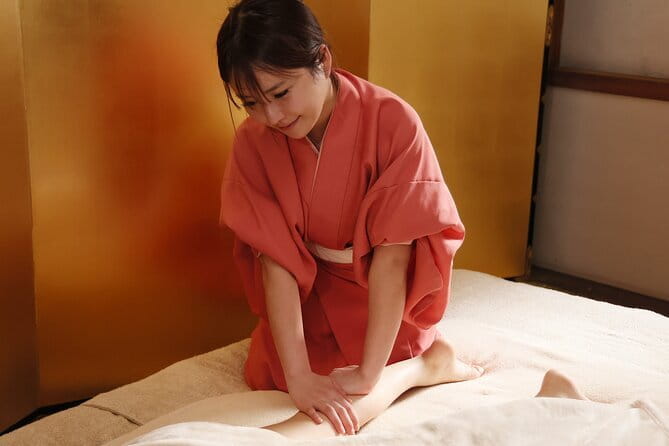
The main treatment is a full-body oil massage. You can choose your favorite essential oil, giving you some control over the sensory side of the experience.
The oil helps the hands move smoothly over the body and gives the treatment a clear spa element. The program is designed to release tension and refresh the body, not to provide medical care. If you have injuries, health concerns, allergies, or strong pressure preferences, discuss them with the staff before treatment begins.
The supplied information does not state the exact massage style, pressure level, or areas covered. That means you should not book this expecting a specific clinical technique or a guaranteed deep-tissue treatment. Think of it as a Japanese-style relaxation massage with additional fascia work.
The overall course is called 90 minutes, but that time includes more than the body massage alone. Ask the staff how the session is divided if the exact treatment length is important to you.
Bamboo fascia release for tight areas
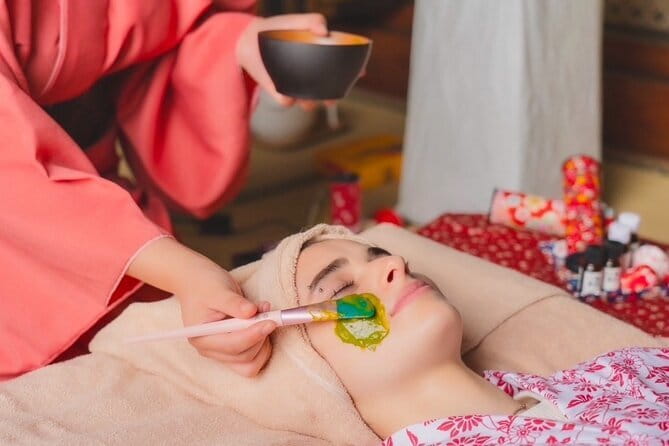
The unusual part of the treatment is fascia release using a bamboo stick. The aim is to help ease deeper tightness and tension. A bamboo tool gives the practitioner a different way to work than hands alone.
Some people enjoy the focused pressure of fascia techniques. Others may find it more intense than a standard relaxation massage. Because the activity description does not give a fixed pressure level, tell the practitioner if you need lighter work.
I would not assume that bamboo work is gentle simply because the setting is calm. The best experience will come from speaking up early. You can ask for less pressure, explain sensitive areas, and mention any movement or health limits before treatment.
This combination of oil massage and bamboo work is what gives the experience its distinct character. You are not only booking a foot bath and a standard oil treatment. You are also trying a technique tied to the provider’s Japan-style approach.
Meditation and worship add a quiet cultural layer
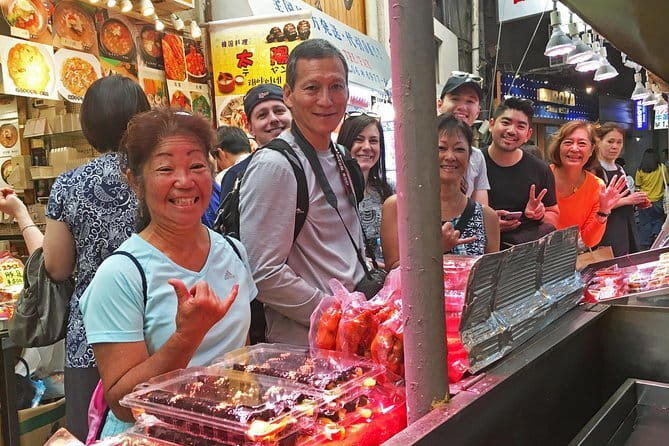
One account of the experience included a short meditation in the shrine area. The program also includes an explanation of how to worship. These parts are brief, but they give the visit a clearer connection to the temple.
Do not expect a long religious lecture or a full temple tour. The information points to a short introduction supported by guidebooks. That is enough to help you understand the setting without turning a massage appointment into a history class.
The meditation may be useful if you arrive mentally tired. It gives you a chance to sit quietly before returning to the more social parts of the activity. If you prefer a treatment with no cultural elements, this may feel like an extra step. For most people seeking a distinctly Japanese experience, it is one of the stronger reasons to choose this program over a regular spa.
Tea, wagashi, and the final taste of Japan
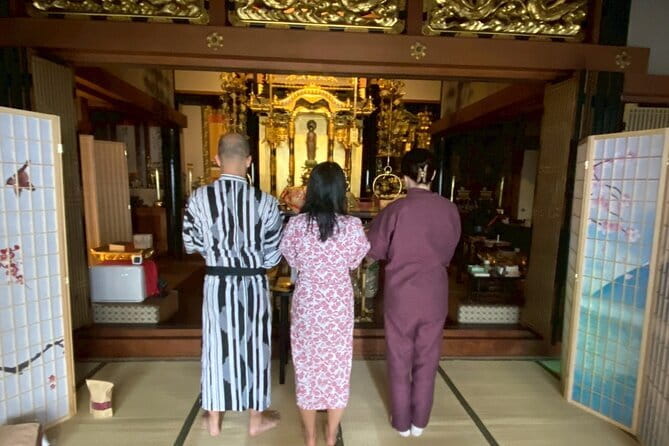
The visit ends with an authentic tea ceremony served with wagashi, traditional Japanese sweets. This closing ritual gives the activity a clear beginning, middle, and end.
You are not just leaving after the massage. You have time to sit, enjoy tea, and reflect on the temple setting. Wagashi are usually small and carefully presented, making them a fitting partner for a formal tea service.
The tea ceremony is described as authentic, but no detailed format or school of tea is specified. You should expect a short cultural ceremony rather than an advanced lesson in tea preparation. The focus is on hospitality and atmosphere.
I like this ending because it prevents the experience from feeling like several unrelated add-ons. The foot bath prepares you, the massage relaxes you, the temple guidance gives context, and tea brings the visit to a calm close.
What the $130.31 price means
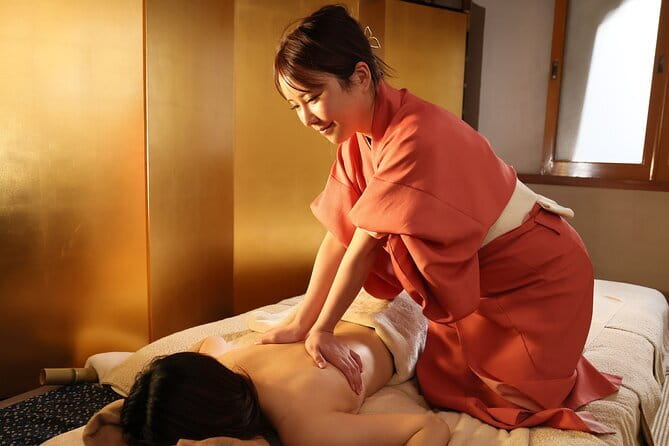
At $130.31 per person, this is not a budget massage. The value depends on what you want from the outing.
If you only want bodywork, a regular Osaka massage may cost less and may devote more of the appointment to treatment. This program includes a foot bath, essential oil choice, bamboo fascia work, cultural guidance, a yukata, a souvenir photo, meditation, and tea. You are paying for the combined experience and the private temple setting, not just hands-on massage time.
The private format improves the value for couples, families, or solo visitors who want personal attention. It also removes the uncertainty of joining a large group. On the other hand, the price may feel high if the cultural parts are not important to you or if you mainly want a long, strong massage.
The rating is 4.9 from nine ratings, which points to very strong satisfaction but is still a small sample. I would treat that as encouraging rather than as a guarantee. The practical issue with finding the location is worth weighing alongside the high score.
Who will enjoy this experience most
I would recommend this for someone who wants a calm cultural activity with a wellness focus. It suits first-time visitors who want more than sightseeing but do not want to commit to a full-day class or ceremony.
It is also a good fit for solo visitors. One person specifically described the experience as helpful while managing the anxiety of solo travel. The private format, polite staff, and set schedule can make the outing feel easy to follow once you reach the meeting point.
Couples may like the shared memory of the yukata photo and tea ceremony. Friends can enjoy the unusual combination of massage and temple customs. People who already enjoy body treatments will probably get the most from the oil massage and bamboo fascia work.
I would be more cautious if you need a medical massage, want exact treatment specifications, dislike scented oils, or prefer a completely hands-off cultural visit. The essential oil and bamboo work are central parts of the program, so ask questions before booking if you have sensitivities.
The activity states that most people can participate and that service animals are allowed. No separate accessibility details are provided, so contact the provider if you need specific information about stairs, treatment rooms, seating, or changing facilities.
Booking tips for a smoother visit
This activity is booked an average of 46 days ahead, so I would reserve early if your Osaka dates are fixed. That lead time may be especially useful if you want a particular day or are coordinating the experience with a busy Japan itinerary.
You receive confirmation at booking. After that, check the meeting address and contact the provider by email with any questions. Do not call the temple directly.
Wear something that makes it easy to change into a yukata and comfortable clothing afterward. The activity does not state what changing facilities are available, so avoid building a formal dinner or another dress-sensitive appointment immediately afterward.
Free cancellation is available if you cancel at least 24 hours before the start time. Inside that window, you receive no refund, and changes are not accepted. The cut-off follows local Osaka time.
Should you book the temple massage?
Book it if you want a private, memorable break that combines body care with small pieces of Japanese temple culture. The strongest reasons are the bamboo fascia treatment, the yukata photo, and the tea ceremony that follows the massage.
Skip it if your priority is the longest possible massage for the lowest price, or if finding an unfamiliar meeting point would create too much stress. For everyone else, this is a thoughtful way to spend about two hours in Osaka, provided you confirm the directions and understand that the massage is only one part of the program.
FAQ
Where does the experience take place?
It takes place at a traditional Buddhist temple in Osaka. The stated meeting point is Tossa de coracao, 1-chōme-6-19 Kitahorie, Nishi Ward, Osaka, 550-0014, Japan.
How long does the activity last?
The full experience lasts approximately two hours. The massage course itself is described as a 90-minute program, with additional time for the welcome, temple guidance, yukata photo, meditation, and tea ceremony.
What happens during the massage?
You begin with a foot bath, then receive a full-body oil massage. The treatment also includes fascia release using a bamboo stick to help ease tension.
Can I choose the massage oil?
Yes. You can choose your preferred essential oil for the full-body oil massage.
Is the tea ceremony included?
Yes. The activity ends with a traditional tea ceremony served with wagashi, or traditional Japanese sweets.
Is a yukata included?
You have the opportunity to wear a yukata, and a complimentary souvenir photo is included.
Will staff explain the temple customs?
Yes. Staff explain the temple’s history and origins and provide guidance on how to worship. Guidebooks are used during the explanation.
Is this a private activity?
Yes. Only your group participates in the activity.
Is the activity suitable for most people?
The additional information states that most people can participate. Service animals are also allowed. Specific accessibility details are not provided.
How does cancellation work?
You can cancel for a full refund up to 24 hours before the experience start time. Cancellations or changes made within 24 hours are not accepted and are not refunded.
Newly listed around Osaka
- Private Car Day Trip to the Kobe Mountains, Gardens and Hot Springs from Osaka★ 4.5 · 16 reviews
- Solaniwa Onsen: Osaka Bay Tower★ 5.0 · 4 reviews
- Kobe Night View Mt Rokko Kitano Ijinkan Arima Onsen Day Trip★ 5.0 · 5 reviews
- Osaka: Nara, Todaiji, Uji Matcha, and Hot Spring Tour★ 4.0 · 7 reviews
- Osaka Reiki Healing and Aroma Massage At The Temple<120min>★ 5.0 · 2 reviews
- ZEN therapy | Shiatsu-style massage, EnergyTherapy & Japanese Tea★ 5.0 · 5 reviews
- Osaka Temple :Warm Bamboo Oil Massage – Deep Restore〈60min〉★ 4.9 · 19 reviews
- Osaka: Tennen Onsen Naniwa-no-Yu, the famous hot spring spa★ 4.7 · 19 reviews
Osaka Spa Experiences, compared.
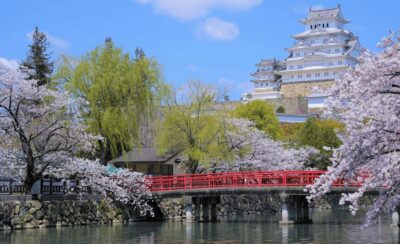
Himeji Castle, Arima Onsen & Mt. Rokko Day Tour
Read our review →
Himeji Castle, Arima Onsen & Mt. Rokko: 1-Day Bus Tour from Osaka
Read our review →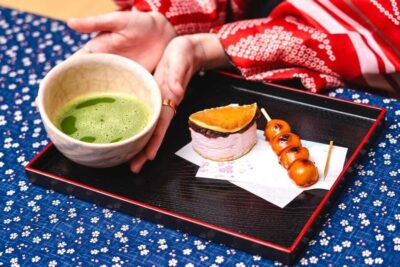
Osaka Temple Head Spa &Matcha Facial – Refresh & Glow〈90min〉
Read our review →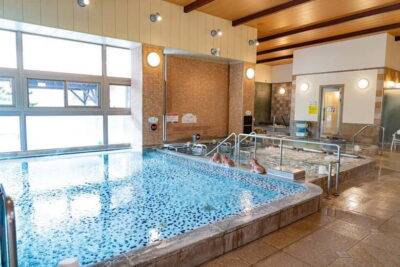
Tennen Onsen Naniwa-no-Yu, the famous hot spring spa
Read our review →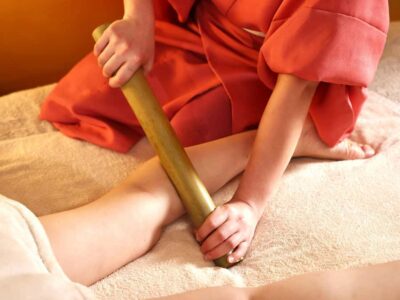
Osaka Temple :Warm Bamboo Oil Massage – Deep Restore〈60min〉
Read our review →
Private Car Day Trip to the Kobe Mountains, Gardens and Hot Springs from Osaka
Read our review →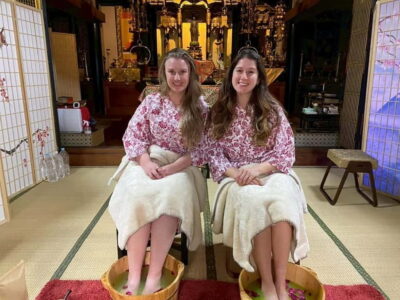
Osaka Temple :Warm Bamboo Oil Massage – Deep Restore〈90min〉
Read our review →Browse the lists this tour appears in