
Review · JAPANESE ONSEN EXPERIENCES
Hakone: Traverse the Hakone Caldera and Enjoy Onsen
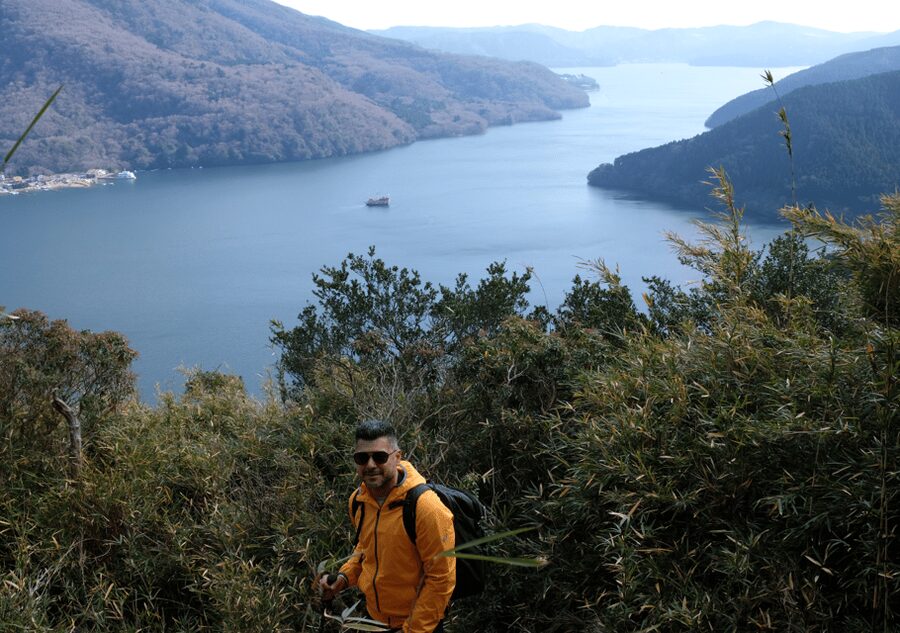
Hakone is best known for its hot springs and sightseeing loop, but this experience takes you above the usual stops and across the outer rim of the volcanic caldera. Over four to five hours, you walk through bamboo, mountain forest, and open ridges with views toward Mt Fuji, Owakudani, Sengokuhara, the Hakone mountains, and the Pacific Ocean.
I like the combination of quiet mountain walking and a proper Japanese onsen at the end. I also like the small group, limited to six people, and the chance to hike with Akihiro Wada, the owner and chief guide of Coconuts Hike Japan.
The main caution is simple: this is a real mountain hike, not a gentle sightseeing stroll. The 90-minute climb gains about 400 meters, and the full route covers roughly 8 to 9 km. Cloudy weather can also hide Mt Fuji, so you should book this for the hiking itself, not only for the famous peak.
Key points to know before booking
- A 400-meter climb starts the day: The ascent to the ridge takes about 90 minutes and sets the tone for the rest of the hike.
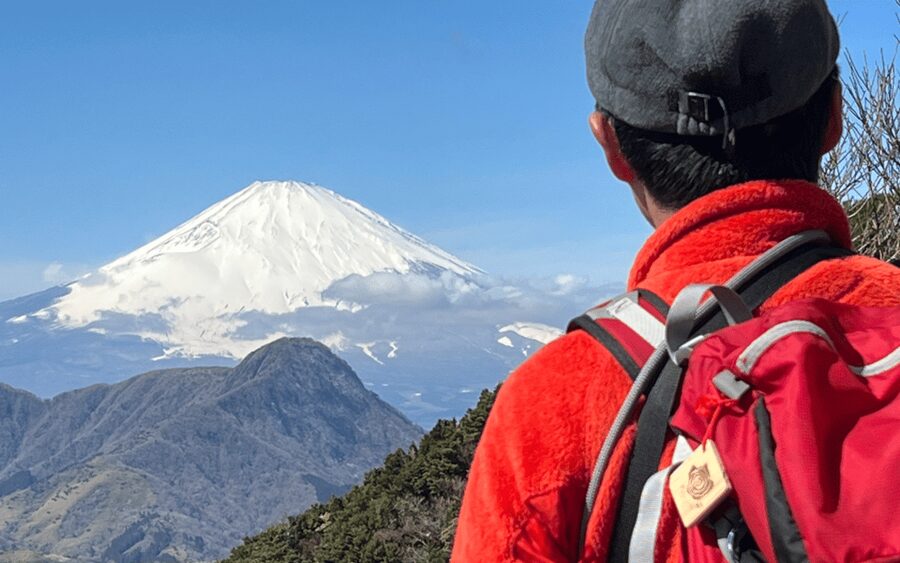
- Mt Fuji is weather dependent: Clear days can bring repeated Fuji views, but the tour remains worthwhile when clouds move in.
- The ridge walk covers Hakone’s volcanic setting: You’ll look toward Owakudani, Sengokuhara, Hakone town, and the Pacific Ocean.
- The onsen is part of the experience: After lunch and the descent, you soak in a natural hot spring, following a familiar Japanese post-hike ritual.
- Akihiro Wada leads a very small group: The group limit is six, and past outings have included helpful route changes, photos, and pacing adjustments.
- Budget for extras: The $154 price excludes bus fare, lunch, and the onsen fee.
Why this hike gives you a different Hakone
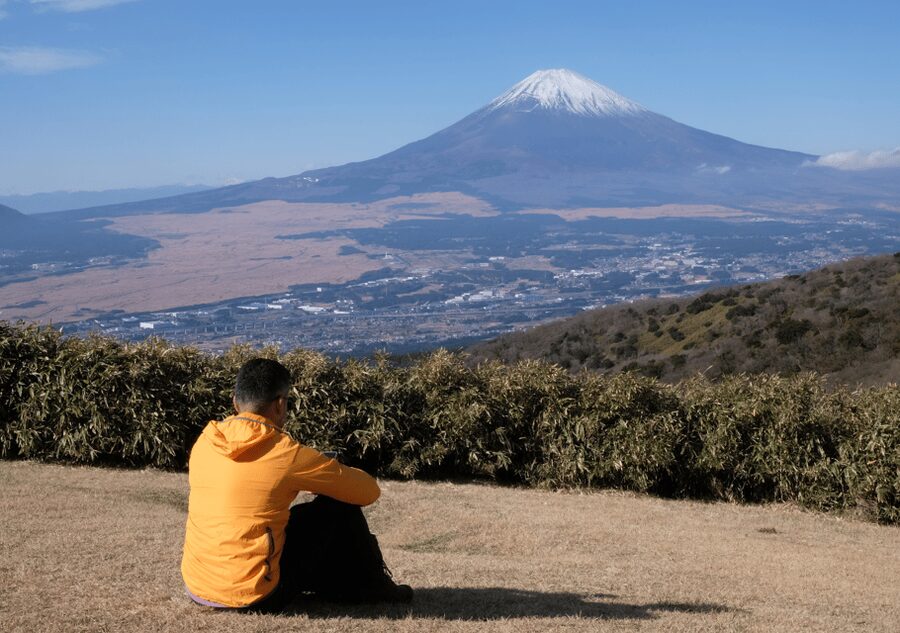
Most first visits to Hakone focus on the ropeway, lake cruise, shrines, and hot spring hotels. Those are worthwhile, but they also keep you close to the main sightseeing circuit. This route takes you onto the mountains that form the great bowl of Hakone’s caldera.
That geological setting gives the walk its purpose. You are not simply climbing for a viewpoint. You are walking along the rim of an old volcanic area, with the terrain opening toward several parts of Hakone at once. The guide explains the volcanic activity along the ridge, helping you understand why Owakudani has steaming vents and why hot springs are such a central part of Hakone.
I find that context useful because the scenery can otherwise blur into a pleasant sequence of trees and viewpoints. Here, the mountains, volcanic sites, hot springs, and valley towns connect to one story.
The route changes with the season. In spring, you may see sakura. Autumn brings red leaves. In winter, the trail can be covered with powdered snow. Bamboo fields and birdsong add quieter moments between the open views. These details make the walk feel more like a day in the mountains than a checklist of attractions.
More Onsen Experiences in Japan:
- From Osaka: Himeji Castle, Arima Onsen & Mt. Rokko Day Tour
★ 4.6 · 339 reviews - From Tokyo: Private Tour to Fuji/Hakone – Onsen, Art, Nature
★ 5.0 · 116 reviews - Mt. Fuji, Hakone Private Tour from Tokyo – Onsen, Arts and Nature
★ 5.0 · 79 reviews
Meeting at Hakone Yumoto at 8:45 am
The day begins at the ticket gate of Hakone Yumoto Station at 8:45 am. This is an important meeting point because Hakone Yumoto is the main access point for the area, and you need to arrive ready for a full day outdoors.
From the station, you take a bus to the trailhead. The ride takes about 30 minutes, and the fare is separate from the tour price, costing about 1,000 yen. Hotel pickup and drop-off are not included.
If you are staying in Hakone the night before, ask about meeting nearer to the trailhead. The guide may be able to suggest another meeting point, which can save you time and reduce backtracking. If you have luggage, contact the operator in advance about storage or delivery options. This matters in Hakone, where a hiking day is much easier without a large suitcase.
The early start is sensible. It gives you time to complete the climb, ridge walk, lunch, descent, and hot spring without turning the day into a rushed race against darkness.
The 90-minute climb to the Hakone ridge
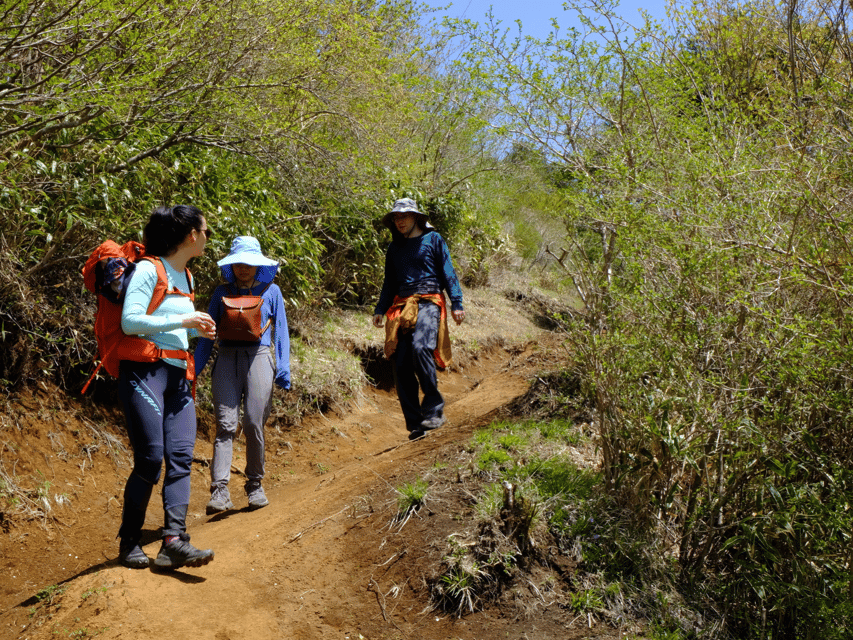
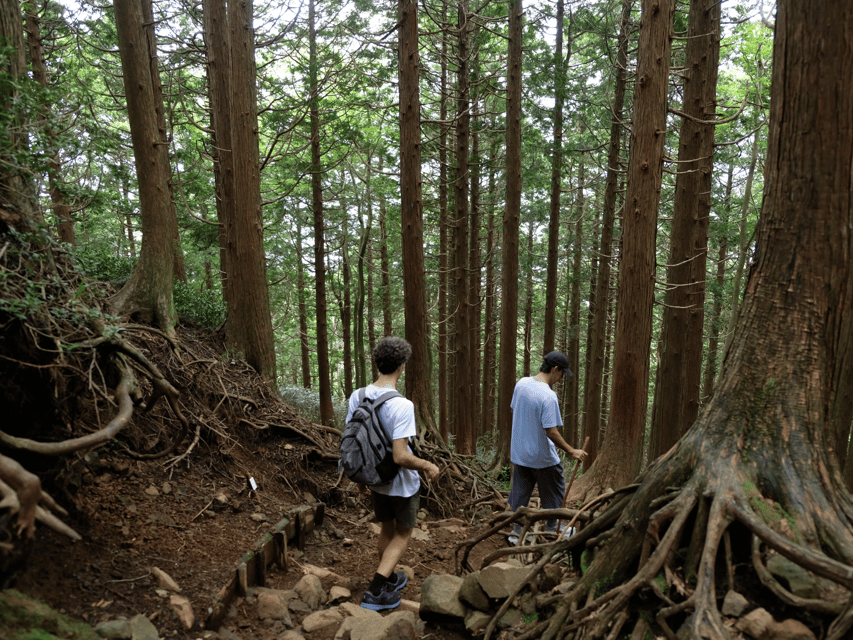
The first major effort is a climb of about 90 minutes, with roughly 400 meters of elevation gain. That is a steady uphill walk, and you should expect to work for the views.
Your fitness matters more than your age. The route is suited to people who regularly hike, though the guide can adjust the pace to the group. One past outing was adapted to the participant’s needs, showing the benefit of having a guide rather than tackling an unfamiliar mountain route alone.
This is the part of the day where proper footwear earns its keep. Hiking shoes are required among the suggested items, and you should also bring water, sunscreen, a hat, and a change of clothes. The change is especially useful after several hours of climbing and ridge walking, before you enter the onsen.
Once you reach the higher ground, the effort begins to pay off. Depending on the weather, you can see the Pacific Ocean, the Hakone mountains, Owakudani, Sengokuhara, and Mt Fuji. The views are not guaranteed, but the range of directions is what makes this ridge special.
Three hours above Hakone’s caldera
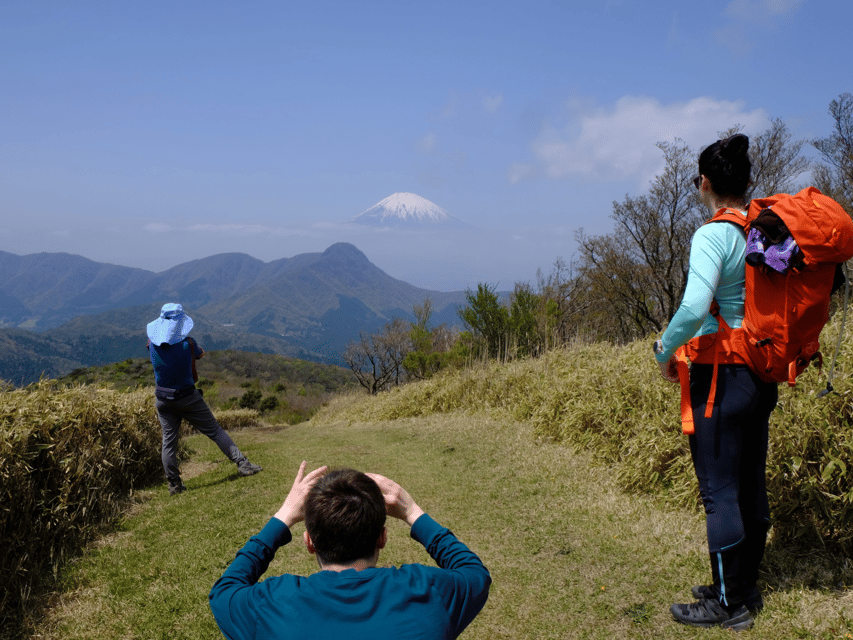
The ridge walk lasts about three hours, making it the heart of the experience. You move along the outer rim of the Hakone caldera, with broad views across the area rather than one single lookout.
On a clear day, Mt Fuji may appear repeatedly during the walk. The mountain can slip behind clouds and return later, so keep your eyes open instead of assuming one missed viewpoint means the day is over. On poor Fuji days, the views toward Hakone town and the surrounding mountains still give you plenty to see.
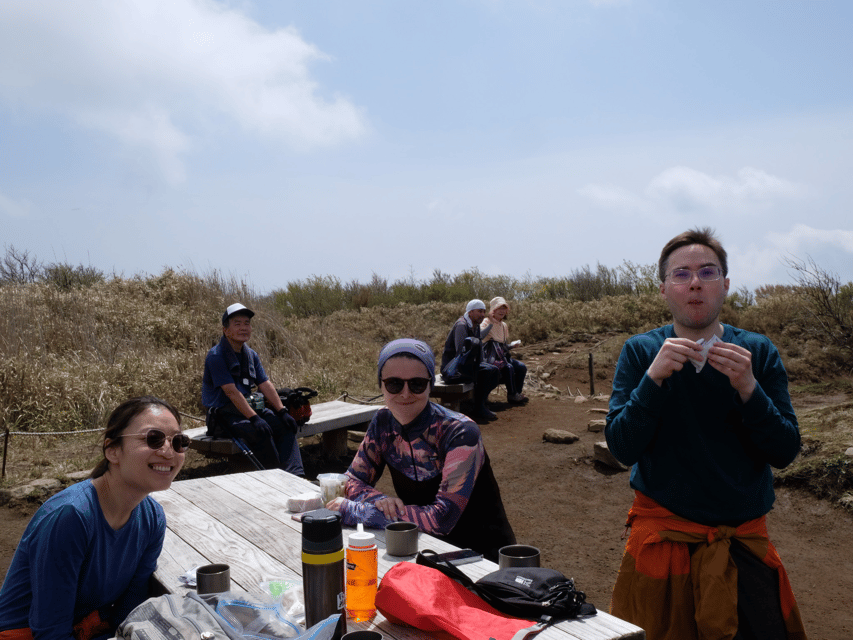
This is also where the tour’s small size helps. With no more than six people, the guide can keep the group together and offer explanations without the feel of a large walking convoy. Akihiro Wada leads in English and Japanese, and the experience includes snacks and drinks at the top of the mountain.
Past outings have also included photos taken by Akihiro with a camera and sent after the hike. That is a useful extra if you want pictures of yourself on the ridge, since mountain walks are not always easy places to stop and arrange a group photo.
The path offers a series of changing scenes. Bamboo gives way to more open mountain views. Birdsong replaces road noise. In spring, flowers and sakura add color. In autumn, the trees turn red. In deep winter, snow changes the feel of the trail and may make the walk more demanding.
You should not expect a paved path or a casual stroll. The description of the route makes clear that difficulty depends on how often and how long you normally hike. If your usual exercise is mostly city walking, this may feel strenuous. If you often take several-hour hikes, the distance and climb should be manageable, provided conditions are good.
More ways to unwind around Japan:
- Osaka: Nara and Uji Day Trip with Deer Park and Hot Spring
★ 4.4 · 302 reviews - Tokyo: Mount Fuji 5th Station & Onsen Day Trip
★ 4.3 · 75 reviews - From Fukuoka: Mount Aso, Kurokawa Onsen, and Shrine Tour
★ 4.6 · 72 reviews - Private Nagano 1-Day Tour:Snow Monkeys,Zenko-ji,Obuse,Sake,Onsen
★ 5.0 · 71 reviews
Lunch in Hakone after the mountain walk
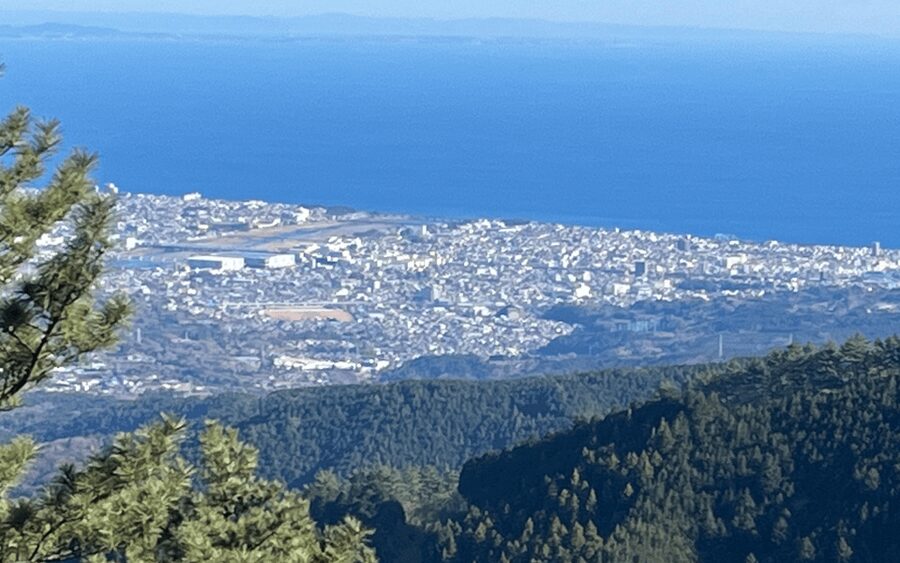
After the ridge section, you descend for about 30 minutes and reach Togendai. Lunch is arranged at a local Japanese restaurant, with regional food available.
Lunch is not included in the $154 price, so bring extra yen or confirm payment details before setting out. The arrangement is still valuable because you do not have to search for a place while tired and hungry. A proper meal also gives you a chance to rest before the final hot spring visit.
The lunch stop is not presented as a formal cooking lesson or food tour. Think of it as a practical local meal that fits naturally into the hiking day. If you have dietary restrictions, ask ahead, since no special menu information is provided.
Why the onsen makes sense after this hike
The final reward is an onsen, or natural hot spring. The fee is separate and costs about 1,500 yen.
I like this part because it is not added as a random spa stop. Soaking after a hike is a familiar Japanese habit, especially in mountain areas where hot springs are found near the trailheads. Hakone is one of Japan’s best-known hot spring areas, so the setting is a natural match for the route.
After four to five hours on your feet, the hot water gives the day a calmer ending. You can wash off sweat, rest your tired muscles, and experience something that fits local daily culture rather than simply stopping at another photo point.
The exact onsen may change depending on the chance of seeing Mt Fuji. That suggests the guide may select a facility in a different part of Hakone to balance the day’s views and finish. The choice of bath is not guaranteed to be one particular property.
There is one important rule. Most of the onsen facilities used do not allow visible tattoos. Tattoo covers made from powdered sheets can be bought online, and the operator asks you to request help if needed. If you have tattoos, contact the guide before booking rather than waiting until arrival.
The real cost of the $154 tour
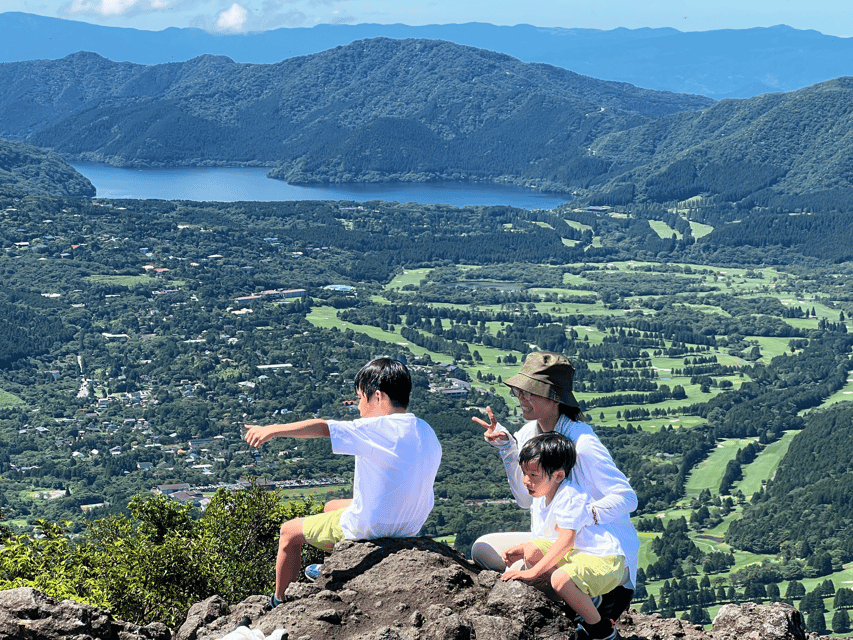
At $154 per person, this is not the cheapest way to spend a day in Hakone. You still pay separately for the bus, lunch, and onsen, bringing the total above the advertised price.
The value comes from the guide, route planning, safety support, and the unusual combination of a serious hike with a hot spring finish. You would need to work out the trailhead transport, understand the ridge route, choose food, and locate an appropriate onsen on your own. The guide also carries wilderness advanced first aid training, which is worthwhile on a mountain route with a substantial climb.
The small group is another part of the price. Six people or fewer gives you a much more personal day than a large coach excursion. It also leaves room for questions about Hakone’s volcanic activity, local customs, and the terrain.
I would not book this solely to save money. If your priority is the least expensive way to see Mt Fuji, use public transport and a viewpoint. If you want a guided mountain day with local context and an onsen ritual at the end, the price is easier to justify.
Who should book this experience
This hike suits you if you:
- Regularly hike for several hours
- Want to see a quieter side of Hakone
- Like mountain views more than a packed sightseeing schedule
- Want an English-speaking guide
- Appreciate local customs such as an onsen after a hike
- Are comfortable paying extra for lunch, transport, and bathing
- Can accept that clouds may hide Mt Fuji
It is less suitable if you want a relaxed day with little uphill walking. It is also a poor match if you are booking only for guaranteed Fuji photos. The route offers excellent chances in clear weather, but no mountain guide can control clouds.
The tour may work well for solo hikers too. One participant was the only person booked on a particular day, and the route was adjusted to suit that person’s needs. That does not guarantee a private tour, but the small-group format gives the guide more flexibility than a large scheduled outing.
Practical preparation for the day
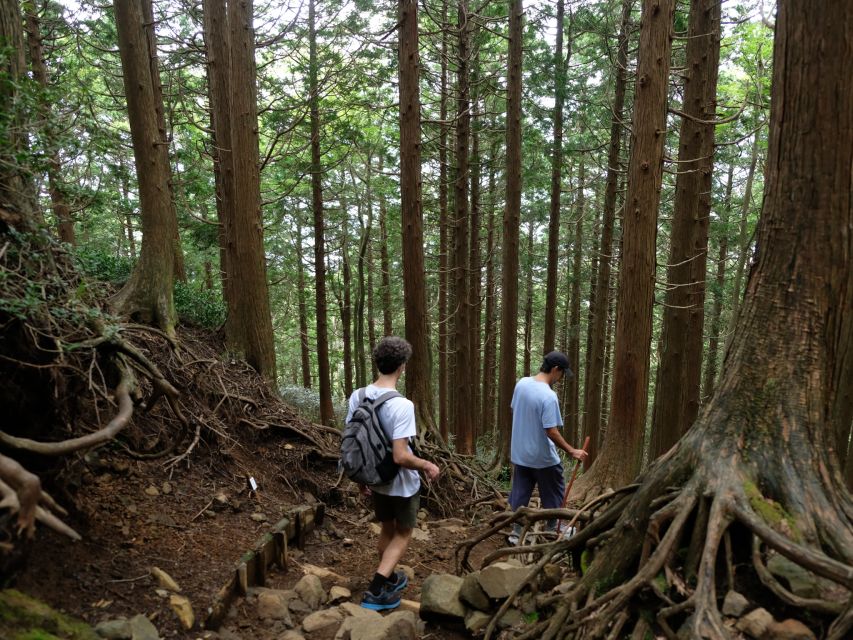
Wear hiking shoes with good support. Bring water, sunscreen, a hat, and a change of clothes. Snacks and drinks are supplied at the mountain top, but you should still arrive prepared for a long day outside.
Start with a light but useful breakfast before meeting at Hakone Yumoto. The climb begins after the bus ride, and lunch comes later. You should also carry money for the bus, restaurant, and onsen.
Check the weather before you leave. Clear conditions can make Mt Fuji the star of the day, while rain, fog, or snow may change the views and the feel of the trail. The guide may also change the onsen choice based on Fuji visibility.
Free cancellation is available up to 24 hours before departure, and you can reserve now and pay later. The tour lasts about seven hours, with starting availability shown when you select a date.
Should you book the Hakone caldera hike?
Book it if you want to trade Hakone’s standard sightseeing circuit for a demanding but rewarding mountain day. The best reasons are the caldera-rim route, the small group, Akihiro Wada’s guiding, the chance to avoid crowded stops, and the onsen finish.
Skip it if you dislike sustained uphill walking, need guaranteed Mt Fuji views, or want all costs included in the headline price. For fit hikers who want scenery, volcanic context, and a distinctly Japanese way to recover after the trail, this is one of the more memorable ways to spend a day in Hakone.
FAQ
Where does the Hakone caldera hike begin?
The meeting point is at the ticket gate of Hakone Yumoto Station at 8:45 am.
How long is the experience?
The full experience lasts about seven hours.
How far do you hike?
The route covers about 8 to 9 km, with approximately four to five hours of hiking.
How difficult is the hike?
You need to be fit for a mountain traverse. The initial ascent takes about 90 minutes and gains roughly 400 meters. Difficulty depends on how often and how long you normally hike.
Can I see Mt Fuji?
You may see Mt Fuji from the mountain ridge when the weather is clear. Fuji views are not guaranteed, and clouds can hide the mountain.
Is transportation included?
Transportation to the trailhead is not included. You travel by bus, which takes about 30 minutes and costs about 1,000 yen.
Is lunch included?
Lunch is arranged at a local Japanese restaurant, but the meal is not included in the tour price.
Is the onsen included?
No. The onsen fee is separate and costs about 1,500 yen.
Are tattoos allowed at the onsen?
Most of the onsen facilities used do not allow visible tattoos. Tattoo covers made from powdered sheets may allow entry, and you can ask the operator for help obtaining one.
Newly listed around Japan
- Mount Fuji – Hakone & Onsen Full Day Private Tour★ 3.8 · 6 reviews
- Fukuoka: Mt. Aso Volcano & Kurokawa Onsen Scenic Day Tour★ 3.8 · 37 reviews
- From Tokyo: Private Motorcycle Tour – Fuji, Hakone, Onsen★ 4.9 · 12 reviews
- From Nozawa Onsen: Snow Monkeys and Zenko-ji Day Trip & Sake★ 4.9 · 13 reviews
- From Kanazawa: Kurobe Gorge & Unazuki Onsen Full-Day Tour★ 4.3 · 8 reviews
- Become a local! A Walking Tour of Arts, Crafts&Onsen Culture★ 5.0 · 13 reviews
- 1-Day Tour from Takayama: Unveiling the Charm of Gero Onsen★ 5.0 · 5 reviews
- Himeji Castle, Arima Onsen & Mt. Rokko: 1-Day Bus Tour from Osaka★ 4.0 · 28 reviews
Japanese Onsen Experiences, compared.

Himeji Castle, Arima Onsen & Mt. Rokko Day Tour
Read our review →
Private Tour to Fuji/Hakone – Onsen, Art, Nature
Read our review →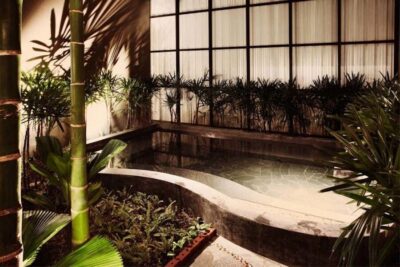
All-Day Pass to Yunomori Sathorn Onsen Bath and Spa
Read our review →
Mt. Fuji, Hakone Private Tour from Tokyo – Onsen, Arts and Nature
Read our review →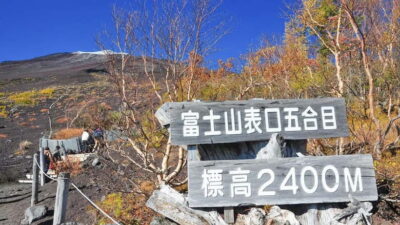
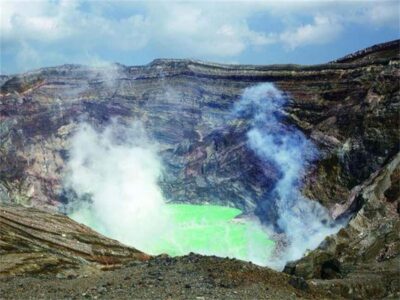
From Fukuoka: Mount Aso, Kurokawa Onsen, and Shrine Tour
Read our review →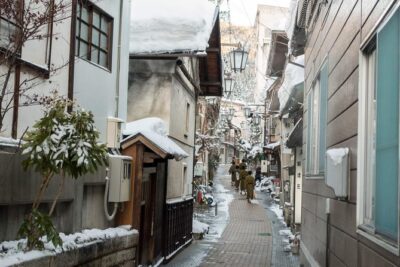
Private Nagano 1-Day Tour:Snow Monkeys,Zenko-ji,Obuse,Sake,Onsen
Read our review →Browse the lists this tour appears in