
Review · HOT SPRINGS AND GEOTHERMAL POOLS
Pokhara: 5 Day Annapurna Base Camp Trek & Natural Hot Spring
Annapurna Base Camp is the prize here: after three days of uphill walking, you reach a high bowl ringed by the Annapurna peaks, Machhapuchhre, and Hiunchuli. I like the fast five-day route and the way it links mountain scenery with Gurung villages, forests, waterfalls, and a hot spring rather than treating the trek as a simple race to the top.
I also like that a private group and registered guide are included, with permits, trekking paperwork, lodge arrangements, and a jeep from Pokhara handled for you. Guides such as Deepak, Narayan, Hari, Paras, and Basanta have been praised for pacing, encouragement, and help when altitude sickness or exhaustion appears. The trade-off is real: this is a demanding schedule, with a quick climb to 4,130 meters and cold nights at base camp. Meals cost extra, and a porter is optional at $15 per day.
Key points to know before you book
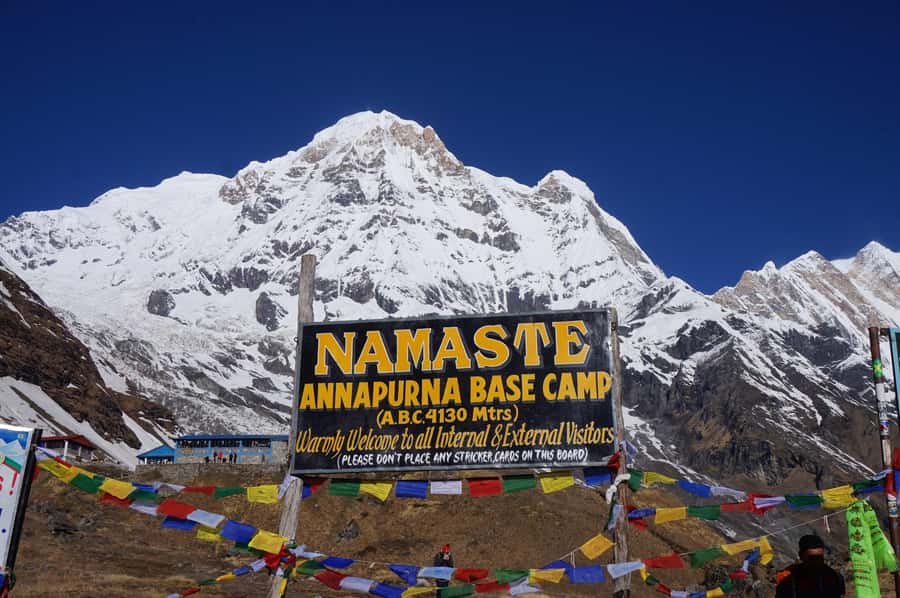
- Annapurna Base Camp at 4,130 meters: Reach the high mountain sanctuary after passing Machhapuchhre Base Camp.
- A five-day push: The compact plan suits you if your time in Pokhara is limited, but it leaves little room for a slow pace.
- Gurung villages and forest trails: Expect terraced fields, wooded paths, waterfalls, temples, and local mountain communities.
- Guide support matters: Deepak, Narayan, Hari, Paras, and other guides are praised for safety checks, pacing, cultural explanations, and help with bags.
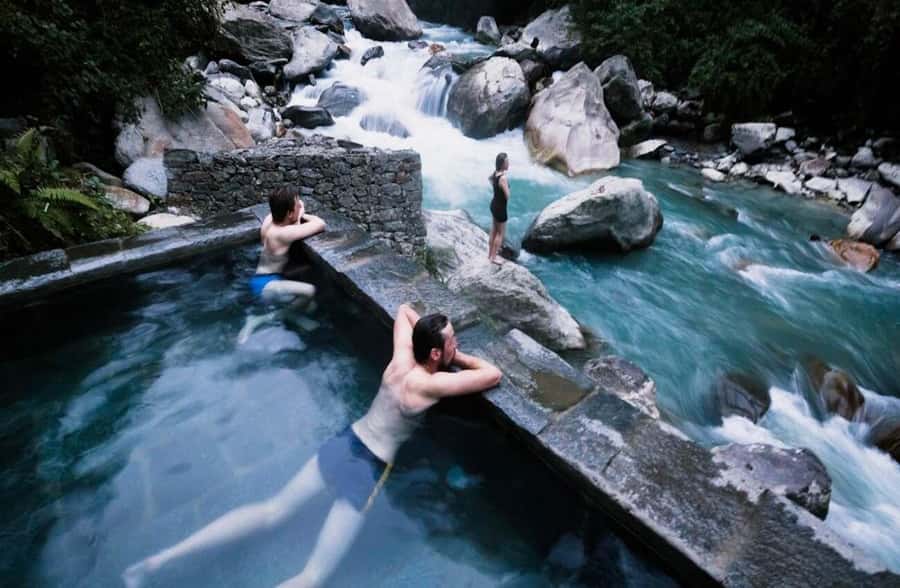
- Jhinu hot spring finale: The return route includes time for a natural hot spring stop before the drive back to Pokhara.
- Good value with important extras: The $171 price covers permits, guide costs, standard lodge accommodation, transport, and equipment loans, but not meals or a porter.
The real appeal of this five-day Annapurna trek
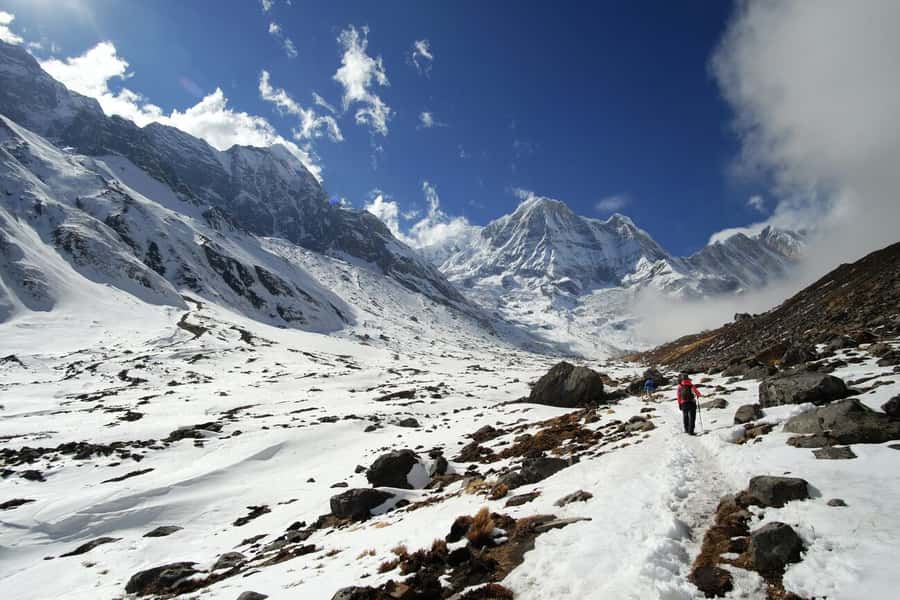
I like this trip because it gives you a clear mountain goal without requiring a long expedition. You leave Pokhara by road, walk into the Annapurna region, sleep in simple tourist-standard lodges, and reach the base camp in three nights.
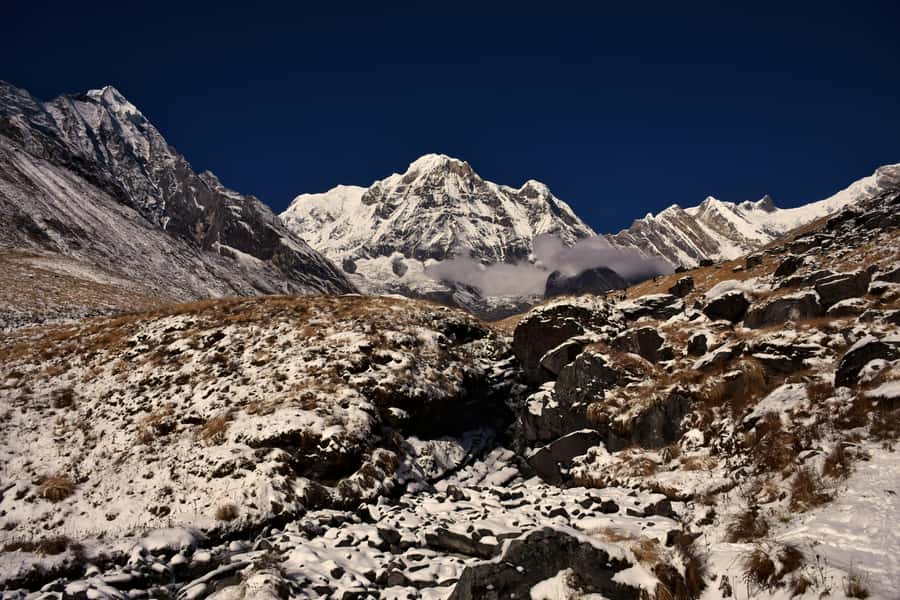
The scenery changes quickly. Lower sections bring terraced rice fields, villages, and broad forest paths. Higher up, the trees thin out and the views become more severe and dramatic. Machhapuchhre, also called Fishtail, is a recurring landmark, while Hiunchuli and the Annapurna massif take over as you approach the base camp.
The cultural side is not pasted on as a separate stop. You pass through traditional Gurung settlements and spend evenings in the same basic lodges used by other people on the trail. Guides can explain local customs, mountain life, plants, and nearby peaks. Several guides have also taught visitors simple Nepali words, which is a small but pleasant way to connect with the communities along the route.
The five-day timing is the main question. You gain a shorter trip, but you also climb quickly. The route reaches 3,200 meters by day two and 4,130 meters by day three. That is not a reason to avoid the trek, but it is a reason to walk steadily, drink water, tell your guide how you feel, and accept a change of plan if your body is struggling.
More Hot Springs in Nepal
- From Pokhara: 5-Day Annapurna Basecamp Trek with Hot Springs
★ 4.9 · 26 reviews - Pokhara: 7-Day Annapurna Base Camp Trek & Natural Hot Spring
★ 5.0 · 11 reviews - Pkr/Kathmandu: 5-Day Annapurna Base Camp & Hot spring Trek
★ 5.0 · 6 reviews
Day 1: Pokhara to Jhinu, then Lower Sinuwa
Your guide meets you in the hotel lobby in Lakeside Pokhara, holding a name card. Airport pickup is also included, and the journey begins in a shared jeep or SUV toward Jhinu, the last road point for this route.
The road section takes about two hours. This saves your legs for the trail, though shared transport means you should expect a practical mountain transfer rather than a private sightseeing drive. The exact road conditions and departure timing can affect how the day feels, so keep your morning flexible.
From Jhinu, you hike for about five hours to Lower Sinuwa, at roughly 2,300 meters. The first day introduces the trail’s basic rhythm: steady climbs, stone steps, forest shade, village sections, and views that open and close as you move.
Jhinu is also known for its natural hot spring, but the advertised schedule places the main hot spring stop on the return day. You may pass through the area at the start without having a long soak until day five.
Lower Sinuwa is a sensible first overnight point because it gets you properly onto the trail without trying to reach the high country immediately. Accommodation is in a tourist-standard lodge. These are functional mountain lodges, not polished hotels, so think of a warm meal available for purchase, a bed, and a place to recover.
Day 2: Lower Sinuwa to Deurali at 3,200 meters
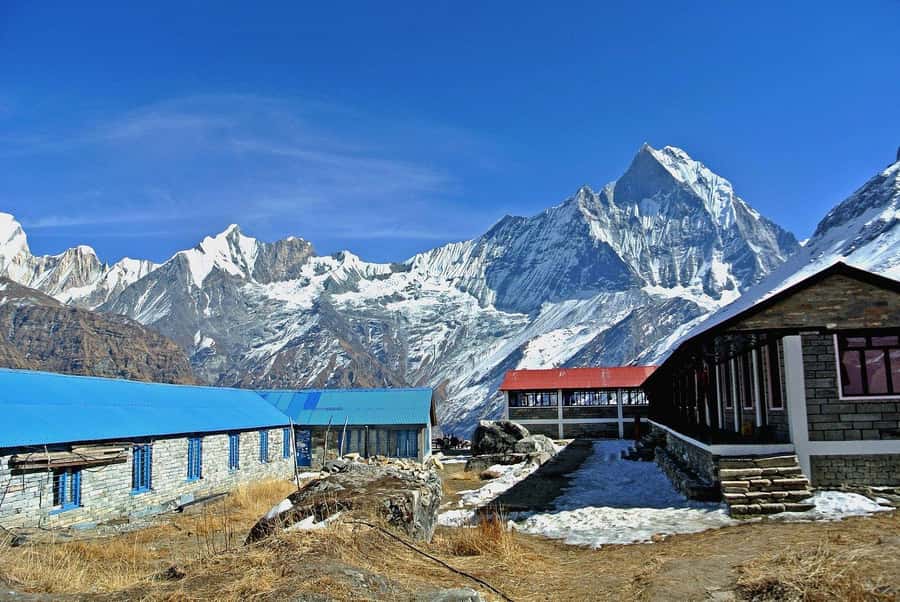
Day two covers about six hours and brings you to Deurali, at 3,200 meters. This is where the trek begins to feel like a serious high-altitude walk rather than a village hike.
You continue through forest, with steep sections and plenty of steps. The route passes through the kind of mountain scenery that makes the Annapurna region so appealing: thick woodland, rushing water, small settlements, and changing views of the peaks.
The day is not long by expedition standards, but the climbing is the issue. You should not judge the trek by mileage alone. A slow pace is useful, and a good guide will set a speed that lets you keep moving without burning out early.
Guides are a major part of the value here. Narayan has been especially praised for keeping a comfortable pace, explaining the mountains, planning rest stops, and helping with a bag when the climb became too much. Deepak, Basanta, Bidur, and others have also been noted for checking on people who felt unwell and helping new hikers stay calm.
At Deurali, the temperature drops and the air feels thinner. Pack a warm layer where you can reach it easily. You should also keep your passport or identification, water, personal medication, and a few snacks accessible rather than buried in luggage.
Day 3: Deurali to Machhapuchhre Base Camp and Annapurna Base Camp
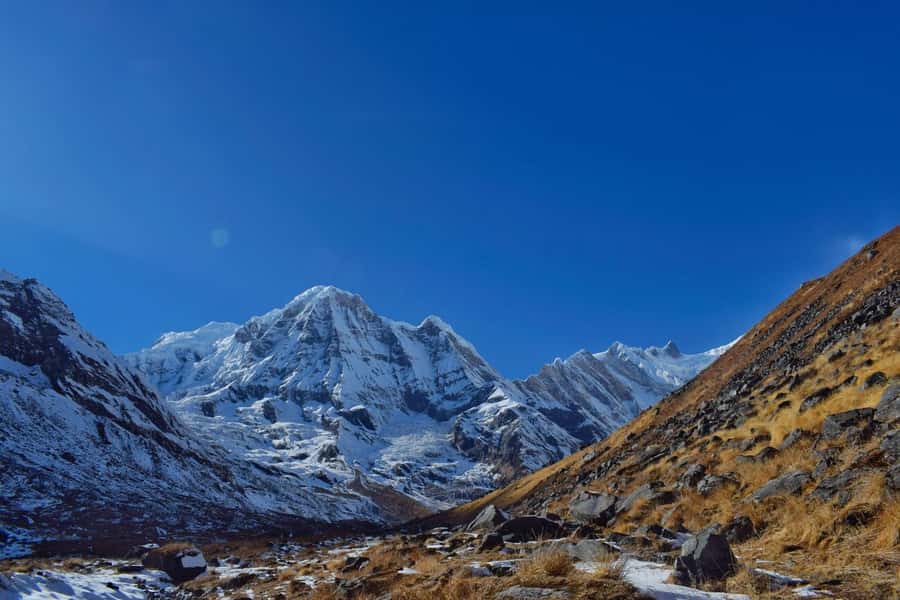
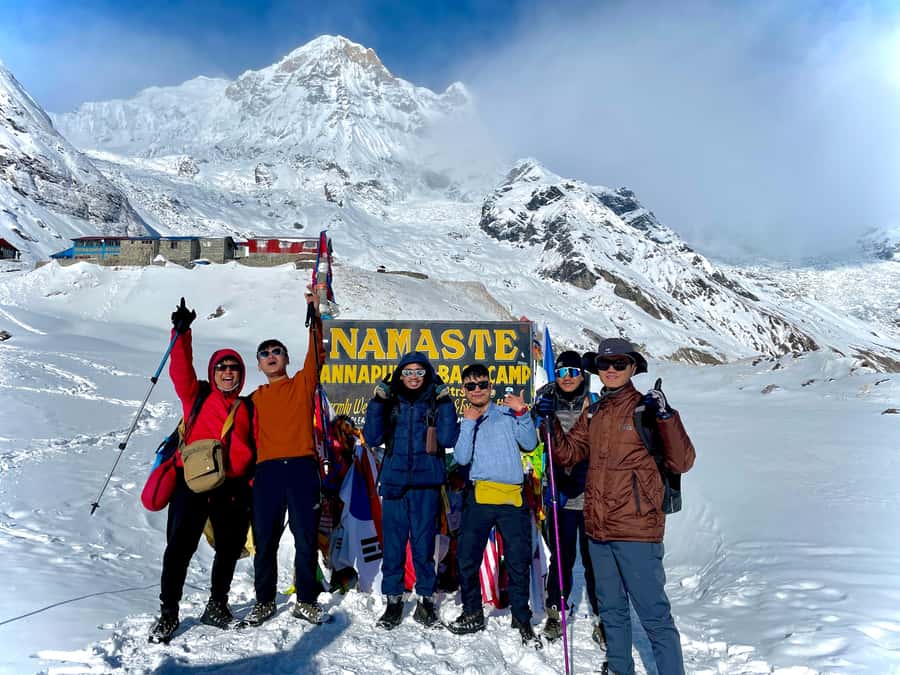
Day three is the short day on paper, at about four hours, but it contains the trek’s great reward. You walk from Deurali to Machhapuchhre Base Camp and continue to Annapurna Base Camp, which sits at 4,130 meters.
Machhapuchhre Base Camp is an important marker even though the mountain itself is not the final destination. Fishtail’s distinctive shape gives the area a strong sense of place. From here, the route leads into the high mountain bowl around Annapurna Base Camp.
At Annapurna Base Camp, the surrounding peaks create the feeling of being enclosed by the Himalayas. You have reached the base of Annapurna, one of the world’s highest mountains, and the views include the Annapurna massif, Hiunchuli, and Machhapuchhre.
The arrival can be emotional, but do not expect a gentle final stroll. The altitude, cold, and accumulated effort make this a demanding day. One person can feel fine at 3,200 meters and then struggle higher up. A guide may suggest a slower approach or a changed plan if symptoms appear. Paras, for example, has been praised for offering alternatives when a companion developed altitude sickness.
Accommodation at base camp is basic and the night can be cold. Extra blankets may be available, but you should still bring reliable warm clothing. The trip is best suited to someone who accepts simple rooms, limited comfort, and an early focus on rest.
More Hot Springs in the world:
- Santorini: Volcanic Islands Cruise with Hot Springs Visit
★ 4.4 · 10,869 reviews - Bali: Mount Batur Sunrise Guided Hike and Natural Hot Spring
★ 4.8 · 9,284 reviews - Reykjavik: Sky Lagoon Entrance Pass With 7-Step Spa Ritual
★ 4.8 · 6,166 reviews - Chiang Mai: Chiang Rai Temples, Karen Tribe and Hot Springs
★ 4.7 · 5,401 reviews
Day 4: A morning at base camp, then down to Bamboo
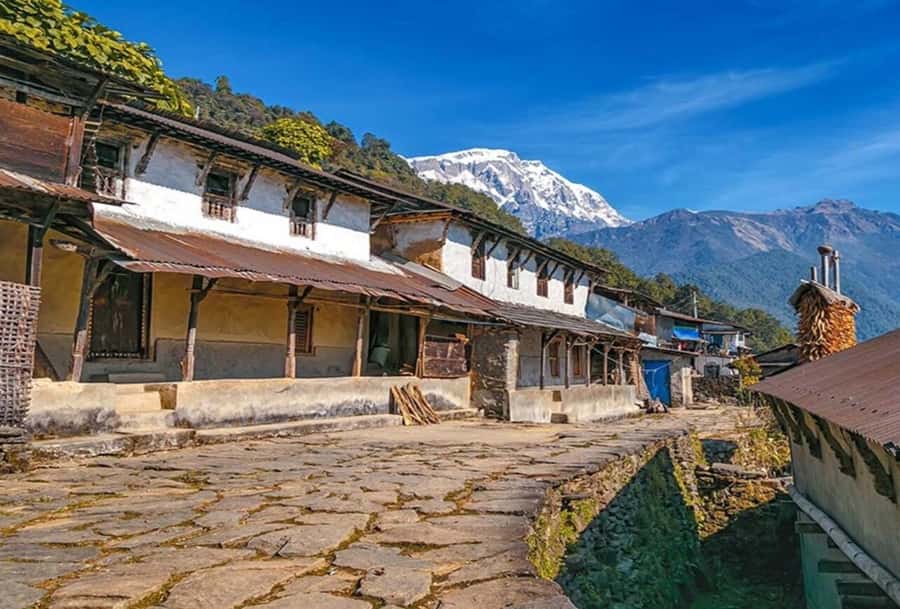
The fourth day gives you time to experience Annapurna Base Camp before descending to Bamboo, at about 2,400 meters. The walking time is listed at roughly six hours.
This is an important change of direction. The descent is easier on your lungs, but it can be tough on knees and legs, especially after the climb to base camp. Trekking poles are useful, and the company can provide a pair if required.
Take time for photos and views before leaving. Weather can change quickly, and clear conditions are never guaranteed. In the monsoon season, clouds may hide the mountains, while wet trails can bring leeches. Waterproof shoes and a poncho are sensible choices during that period.
Bamboo is lower, warmer, and usually a welcome place to recover. The lodges remain simple, and food is available to buy rather than included in the tour price. Bring enough Nepalese rupees for meals and personal purchases. Prices can increase at higher lodges, and cash is more useful than assuming every stop will take a card.
Day 5: Bamboo to Jhinu, hot spring, and Pokhara
The final walking day takes about six hours from Bamboo back to Jhinu. The trail brings you through familiar lower sections, but the descent offers a different view of the villages and forest than you had while climbing.
At Jhinu, you can stop at the natural hot spring before returning to Pokhara. This is a well-chosen ending. After several days of stone steps and steep paths, warm water gives your legs a chance to relax before the road journey.
The return drive to Pokhara takes about two hours by jeep or SUV. The trip then finishes with drop-off at Lakeside Pokhara or another stated Pokhara location.
Do not treat this as a full rest day. Six hours of hiking plus the road transfer makes it another active day, even though the hardest altitude work is behind you. If you have onward travel, leave some breathing room rather than scheduling a tight connection.
What the $171 price really covers
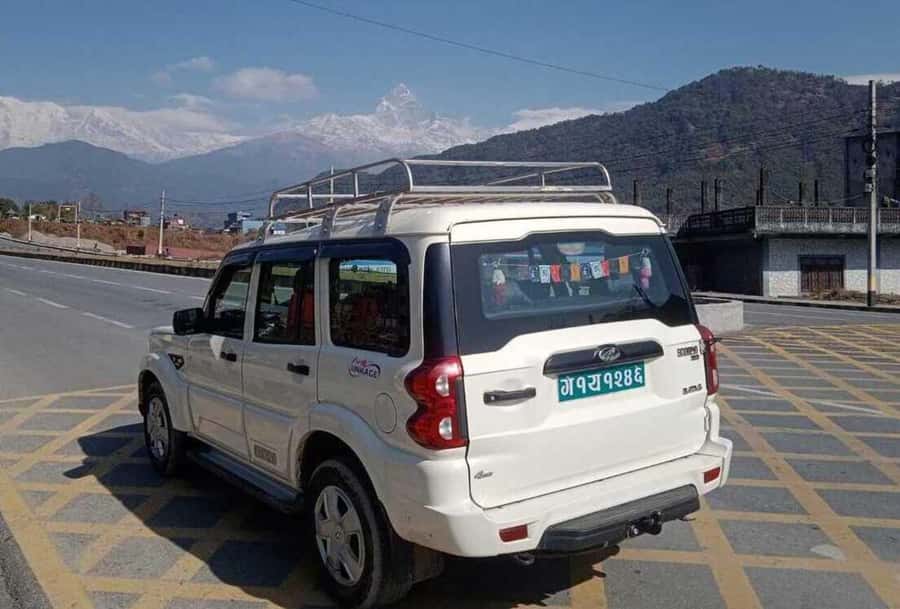
At $171 per person, this is a strong package if you want the main logistics handled. The price includes tourist-standard lodge accommodation, a registered English-speaking guide, hotel or airport pickup and drop-off in Pokhara, shared jeep transport, ACAP and government permits, TIMS, taxes, first-aid equipment, and the guide’s own food, lodging, insurance, salary, transport, and equipment.
You can also request a duffel bag, trekking bag, or trekking poles. Luggage storage in Pokhara is included, which is useful because you do not need to carry everything you brought to Nepal up the trail.
The important catch is that meals are not included. Food is available for purchase at the lodges, but you need to budget for breakfast, lunch, dinner, drinks, and snacks for five days. A porter is also extra at $15 per day. If you carry your own pack, the trip remains cheaper, but the steep sections will feel harder.
The guide is more than a route finder. A registered guide can help with permits and lodge arrangements, set a reasonable pace, explain local culture, and respond when someone feels sick. This matters most on a short itinerary with a rapid climb.
How hard is the trek?
The tour is not restricted to expert hikers, but it is not an easy introduction to walking either. First-time hikers have completed it with support, yet the route includes steep sections, long days, cold conditions, and high altitude.
You should be comfortable walking for five to six hours a day. Your shoes need to be comfortable, and waterproof footwear is useful in wet weather. Comfortable shoes are the only required item listed, but warm layers, rain protection, gloves, and a headlamp would make practical sense based on the conditions described.
Altitude is the biggest concern. The schedule rises from Lower Sinuwa to Deurali and then to base camp in a short time. Tell your guide immediately if you feel unwell. The strongest praise for this trip goes to guides who adapt the pace, offer support, carry a heavier bag when needed, and help arrange alternatives.
Pregnant women should not book this activity. The group is private, which helps you walk at your own pace, but it does not remove the physical demands of the route.
The guides and the human side of the trek
The company assigns different guides, so you cannot assume a particular person unless you confirm it before booking. Deepak has been praised repeatedly for calm encouragement, practical help, cultural explanations, and care during wet-weather sections. Narayan is known for clear daily plans and steady pacing, while Hari, Paras, Basanta, Bidur, Sushil, Sandesh, and others have also provided strong support on the trail.
That personal help is valuable because the route can feel less intimidating when someone is watching your pace and checking your condition. Guides have helped with altitude sickness, carried heavier bags, arranged food around dietary needs, and explained village life.
Porters are optional. If you hire one, the stated cost is $15 per day. You should confirm what weight is covered and how bags are handled before departure, since the supplied information gives the daily price but not a baggage limit.
Best season, weather, and practical packing
The experience can run in different seasons, but conditions change sharply. January brought clear sunny skies for some departures, along with cold nights at base camp. The monsoon season can bring clouds, rain, leeches, and fewer people on the trail. The mountains may be hidden, but quiet paths can be a fair trade.
Pack light and keep valuables with you. The luggage storage service in Pokhara lets you leave nonessential items behind. Bring a passport or identification document, comfortable shoes, warm clothing, rain protection, water, personal medication, and cash for lodge expenses.
Trekking poles can be requested, and they are especially useful on steep descents. A waterproof bag or liner will protect clothing if rain arrives. The company provides a first-aid kit, but you remain responsible for personal medication and basic comfort items.
The cancellation policy allows a full refund when you cancel at least 24 hours ahead, and you can reserve while paying later. Those policies are helpful if your Pokhara plans depend on weather or flight timing, but you should still check current availability and departure times.
Should you book this Annapurna Base Camp trek?
Book it if you want a short, organized route from Pokhara and you value having permits, transport, lodges, and a registered guide arranged for you. It is especially suitable if you are a first-time high-altitude hiker who wants support, or if you have only five days for the Annapurna region.
Think twice if you want slow acclimatization, private rooms, included meals, or a relaxed schedule. The $171 price is good for the services included, but your final cost rises with food, drinks, and a porter. You also need to accept cold nights and a quick climb to 4,130 meters.
My practical advice is to book after confirming the guide, porter needs, meal budget, and current trail conditions. If you can walk steadily, listen to your guide, and handle basic lodge accommodation, this trip gives you a powerful slice of the Annapurna region, ending with a hot spring and a well-earned ride back to Pokhara.
FAQ
How long is the Annapurna Base Camp trek?
The activity lasts five days and includes four nights on the route.
Where does the trek start?
Pickup is available from Lakeside Pokhara, and airport pickup by car is also included.
How do I reach the trailhead?
You travel by shared jeep or SUV from Pokhara to Jhinu, the last road point. The drive takes about two hours.
What is the highest point of the trek?
Annapurna Base Camp is at approximately 4,130 meters.
Is a guide included?
Yes. A professional, government-registered English-speaking trekking guide is included for the private group.
Are meals included in the $171 price?
No. Meals are available to purchase at the lodges, but the tour price does not include them.
Is a porter included?
No. A porter is optional and costs $15 per day.
What accommodation is provided?
The price includes private accommodation in tourist-standard lodges during the trek.
Is transport back to Pokhara included?
Yes. The return includes shared jeep or SUV transport from Jhinu to Pokhara, with drop-off in Pokhara or Lakeside Pokhara.
Can I visit a natural hot spring?
Yes. The itinerary includes a natural hot spring stop at Jhinu on the return day before the drive to Pokhara.
More walks and climbs around the world
- Mount Batur Sunrise Hike and Natural Hot Spring Option
★ 5.0 · 1,927 reviews - Private Tour Mount Batur Sunrise Trekking and Natural Hot Spring
★ 5.0 · 431 reviews - Mount Batur Sunrise Hike, Breakfast & Hot Spring
★ 5.0 · 316 reviews - National Park Hike & Finnish Smoke Sauna Experience with Campfire Lunch
★ 5.0 · 182 reviews
Newly listed around the world
- 21 Day Ayurveda & Yoga Retreat in the Himalayan country, Nepal★ 5.0 · 19 reviews
- Agadir Massage & Hammam 2 hours★ 4.5 · 53 reviews
- Luxury So Thai Spa Package (4 Hours)★ 4.5 · 18 reviews
- Dry Deep Bodywork (Dry | Thai–Shiatsu based)★ 5.0 · 45 reviews
- Hoang Spa Thai Massage★ 5.0 · 34 reviews
- Thai Massage★ 5.0 · 15 reviews
- Hue Traditional Massage For Healing, 45 mins★ 5.0 · 17 reviews
- 10 Days Ayurveda & Yoga Retreat in Kathmandu, Nepal★ 5.0 · 24 reviews
Hot Springs and Geothermal Pools, compared.
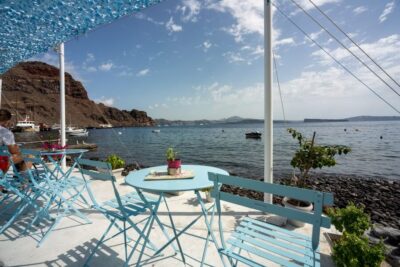
Volcanic Islands Cruise with Hot Springs Visit
Read our review →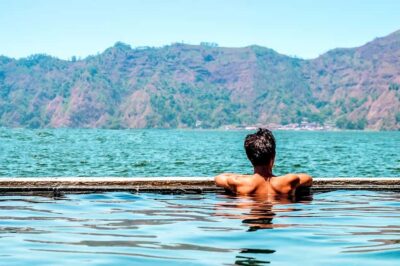
Mount Batur Sunrise Guided Hike and Natural Hot Spring
Read our review →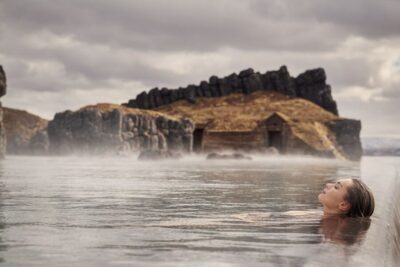
Sky Lagoon Entrance Pass With 7-Step Spa Ritual
Read our review →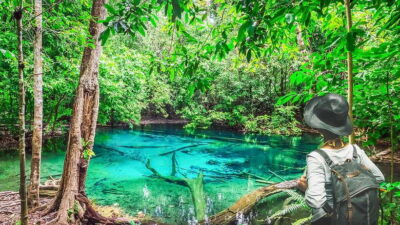
Tiger Cave Temple, Emerald Pool and Hot Springs Tour
Read our review →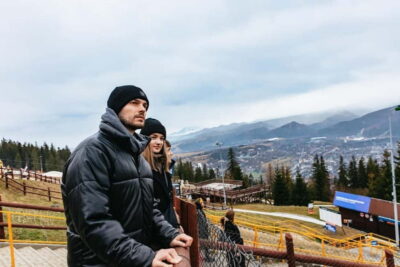
Zakopane Tour Local Tasting, Cable Car & Hot Springs
Read our review →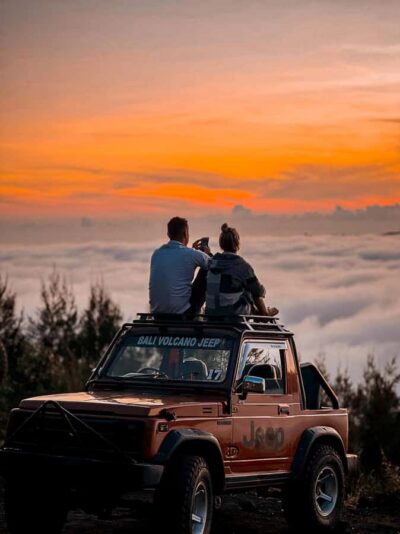
Mount Batur: Private Sunrise Jeep Tour & Hot Spring
Read our review →
Mount Batur Sunrise Hike and Natural Hot Spring Option
Read our review →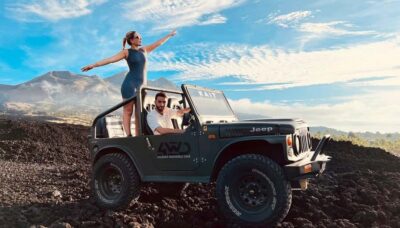
Mount Batur Shared Jeep Sunrise & Hot Spring Tour
Read our review →Browse the lists this tour appears in