
Review · HOT SPRINGS AND GEOTHERMAL POOLS
Pokhara: 5-Day Annapurna Base Camp Trek with Hot Spring
Reaching Annapurna Base Camp at 4,130 meters in only five days is the big draw here. You start in Lakeside Pokhara, ride to the trailhead, pass through rhododendron forests and mountain villages, then sleep in the great natural bowl below Annapurna’s peaks. I like the private-group setup and the useful return through Jhinu Dada’s hot springs. The tradeoff is simple: this is a fast, demanding trek, not a gentle mountain holiday.
I also like that the package includes permits, private mountain lodging, transport, guide expenses, and trekking gear such as poles, a sleeping bag, and a duffle bag. Guides Jeet and Kaji have been singled out for kindness, humor, and steady help. But February conditions have included snow, ice, and avalanche crossings, so you should choose your dates and fitness level with care.
Key points at a glance
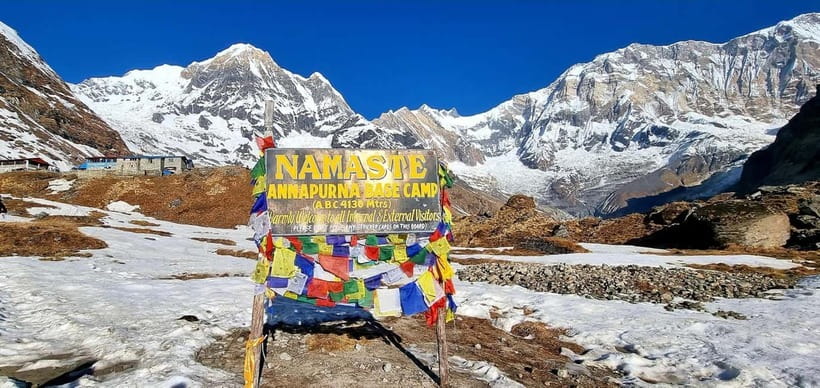
- 4,130-meter finish: Spend the third night at Annapurna Base Camp, surrounded by high peaks and glaciers.
- Five days, not a leisurely pace: Expect up to eight hours of walking in one day, with a quick rise in altitude.
- Private group format: You travel with your own group and an authorized guide who speaks English, Hindi, or Nepali.
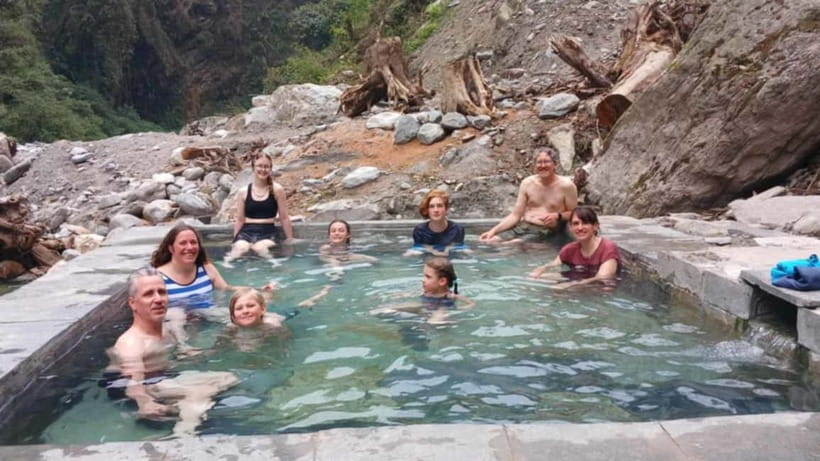
- Jhinu Dada hot springs: End the trek with a warm soak before returning to Pokhara by Jeep.
- Meals depend on the package: The full all-inclusive option covers breakfast, lunch, and dinner. The standard option lets you buy meals along the trail.
- Porters cost extra: A guide is included, but porter service must be arranged and paid for separately.
Why this Annapurna route is worth your five days
This trek gives you a compact taste of the Annapurna region without requiring a longer two-week commitment. In a short span, you move from Pokhara’s lakeside streets to high mountain paths, forested slopes, stone villages, glaciers, and a famous Himalayan base camp.
The route also has a satisfying shape. You begin with a vehicle ride, walk uphill for two days, reach the highest point on the third day, then spend two days coming down. That matters because the descent gives you a chance to see familiar places from a different angle, even though the long return day can be hard on tired knees.
I would not treat the five-day schedule as a relaxed sightseeing trip. You will spend about four hours walking on the first day, seven on the second, five on the third, and eight on the fourth. The final day adds four hours on foot before a three-hour Jeep ride. The distance and altitude gain are manageable for a fit hiker, but the pace leaves little spare time if weather, snow, or tiredness slows you down.
More Hot Springs in Nepal
- Pokhara: 5 Day Annapurna Base Camp Trek & Natural Hot Spring
★ 4.9 · 44 reviews - From Pokhara: 5-Day Annapurna Basecamp Trek with Hot Springs
★ 4.9 · 26 reviews - Pokhara: 7-Day Annapurna Base Camp Trek & Natural Hot Spring
★ 5.0 · 11 reviews
Day 1: Lakeside Pokhara to Sinuwa by Jeep and trail
Your day begins early with pickup from your hotel in Lakeside Pokhara. The first section is by Jeep, taking about three hours to reach Samrung, followed by roughly four hours of walking to Sinuwa at 2,200 meters.
The road offers views of the Seti River, mountain slopes, and green paddy fields. This is not just a transfer between two points. It gives you a look at the countryside around Pokhara and a first sense of how quickly the city gives way to rural Nepal.
The walking section takes you through forest and village country. Sinuwa is your first overnight stop, and the lower altitude makes this a sensible opening day before the harder climb ahead. You can expect a basic mountain stay and a chance to meet local residents along the route.
The main drawback is the long combined travel day. You leave early, sit in a Jeep for several hours, and then walk for another four. If you arrive tired, resist the temptation to push too hard on the first afternoon. Save energy for the steady gain in altitude on Day 2.
Day 2: Seven hours through forest to Deurali
From Sinuwa, you continue toward Deurali at 3,200 meters. The walking time is about seven hours, making this the first serious test of the trip.
The route passes through forests and areas known for rhododendron blooms. The changing plant life helps break up the long climb, while the higher you go, the more the forest gives way to open mountain views. The trail’s quiet sections offer time to notice small details: changing trees, village paths, and the sound of water moving through the valleys.
This is also the day when pacing matters most. You are gaining about 1,000 meters in elevation, and the combination of long walking and thinner air can catch you by surprise. Walk slowly, drink regularly, and tell your guide early if you develop a headache, nausea, unusual fatigue, or trouble breathing.
Deurali is important mainly as a practical overnight stop. It places you close enough to Annapurna Base Camp for the next morning’s climb, but the high altitude means sleep may not come easily. Keep your evening simple and warm. The aim is to rest, not to squeeze in another activity.
Day 3: Deurali to Annapurna Base Camp at 4,130 meters
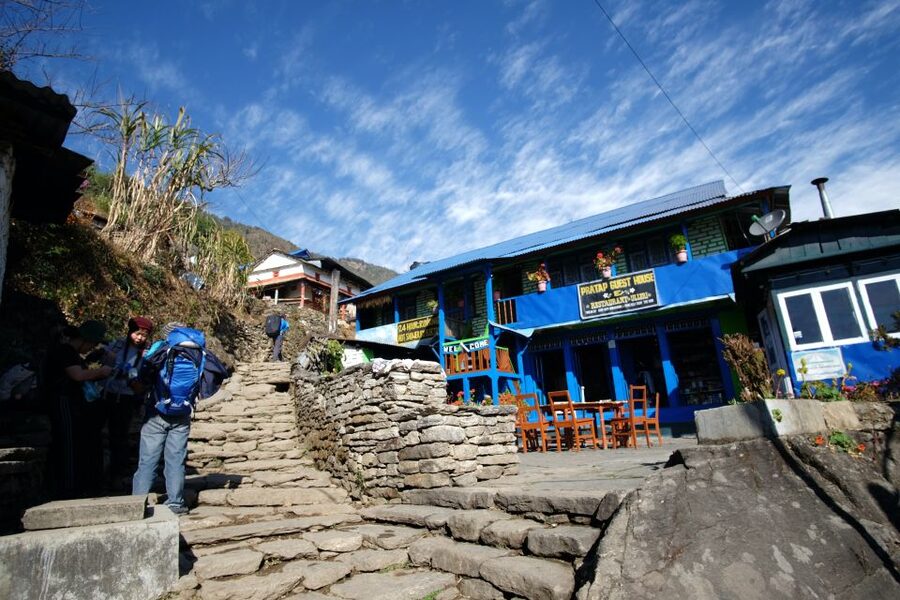
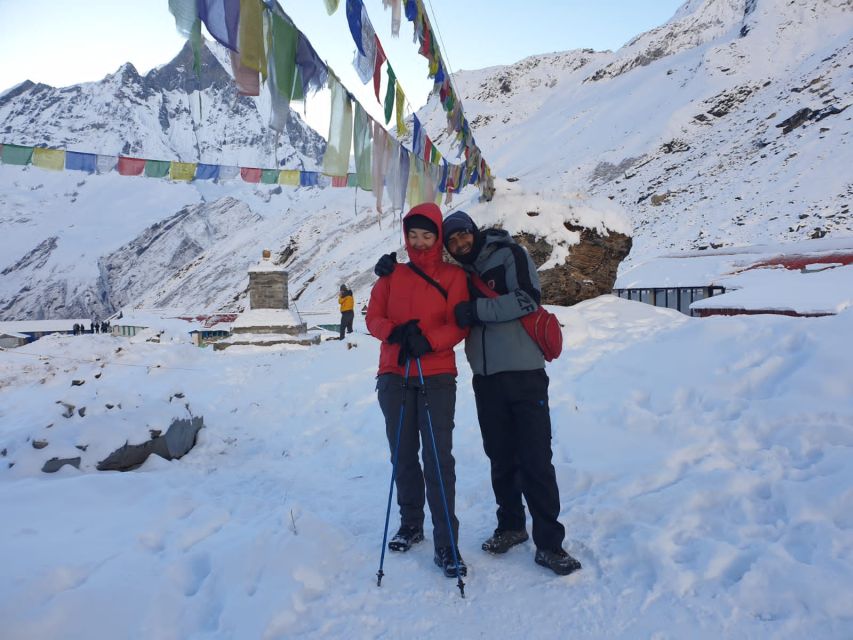
The third day delivers the trip’s main goal. From Deurali, you walk for about five hours to Annapurna Base Camp, climbing to 4,130 meters.
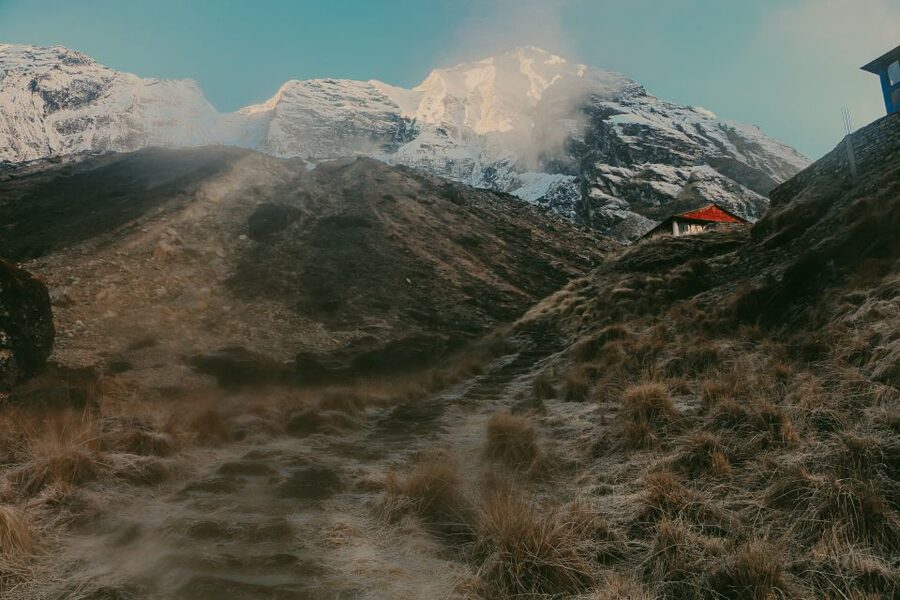
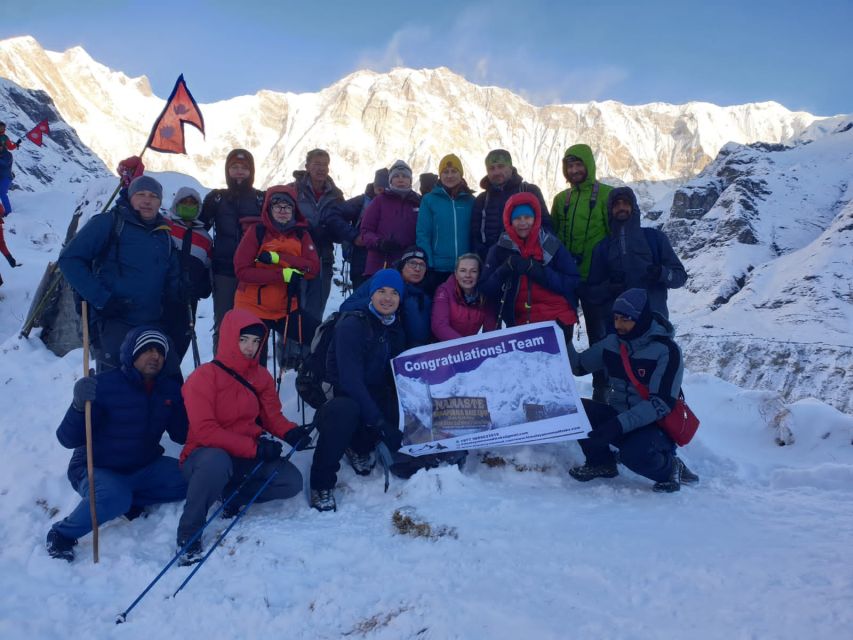
The setting changes as you move into the high mountain bowl. Towering peaks and glaciers surround the route, and the open views feel very different from the forested trail below. At base camp, you are inside a dramatic natural amphitheater, with steep walls of rock and snow rising around you.
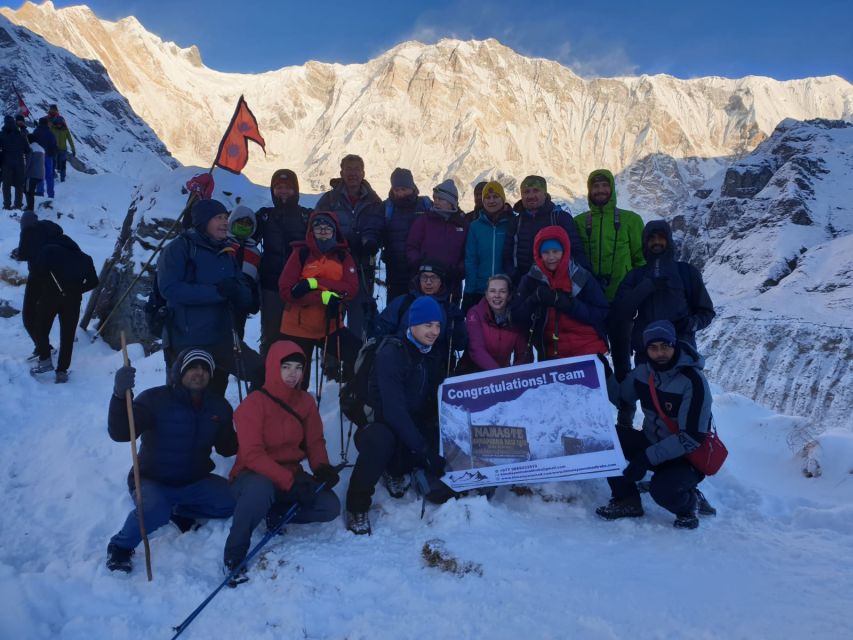
This is the moment that makes the demanding schedule worthwhile. You have walked from subtropical-looking fields and river valleys to a high Himalayan viewpoint in just three days. Take time to look around rather than rushing through photographs. The light on the peaks can change quickly, and the sense of scale is hard to capture with a camera.
You spend the night at Annapurna Base Camp. That sounds exciting, but it is also the most physically demanding overnight of the trip. At 4,130 meters, cold and altitude can affect your comfort. You should approach this stop with respect, follow your guide’s advice, and avoid treating the summit-like arrival as proof that you must ignore symptoms.
The schedule allows about five hours for the ascent, but mountain conditions can alter that timing. In February, snow and ice made one descent particularly serious, with several avalanche crossings reported on the way down. That does not mean such conditions will occur on every departure, but it shows why weather and seasonal timing matter more than a printed schedule.
Same place, a different hour on the table:
- Whole Day Massage & Spa With Lunch
★ 5.0 · 54 reviews - Shirodhara and Sound Healing Spa Experience in Kathmandu
★ 5.0 · 52 reviews - 6 Hours Spa Package in Kathmandu (Massage, Sauna, Steam, Jacuzzi)
★ 5.0 · 43 reviews - 21 days Himalayan yoga retreat in Nepal in Kathmandu
★ 5.0 · 28 reviews
Day 4: Sunrise, then eight hours back to Lower Sinuwa
A sunrise over the Annapurna peaks is the natural highlight of the morning. After taking in the view, you retrace the route toward Lower Sinuwa at 2,200 meters.
The day involves about eight hours of walking, so it is the longest hiking day on the program. Going downhill may sound easy after reaching base camp, but steep descents can be rough on your knees and feet. Snow, ice, mud, or wet stone can make the return slower than expected.
The benefit of returning by the same route is that the scenery becomes familiar. You can recognize sections of the forest and see how much altitude you gained on the way up. The drawback is that you do not get a different circuit or a new valley on the return.
Your guide matters greatly here. Kaji helped one group through difficult avalanche conditions, and Jeet has been praised for making sure hikers rested properly and understood what was happening around them. Those details point to the kind of support you want on a short, high-altitude trek: someone who watches the group rather than simply walking ahead.
Lower Sinuwa is a more comfortable place to spend the night than base camp, thanks to the lower elevation. Still, you will likely be tired. Plan on an early rest and keep enough dry clothing available for the next morning.
Day 5: Jhinu Dada hot springs and the ride to Pokhara
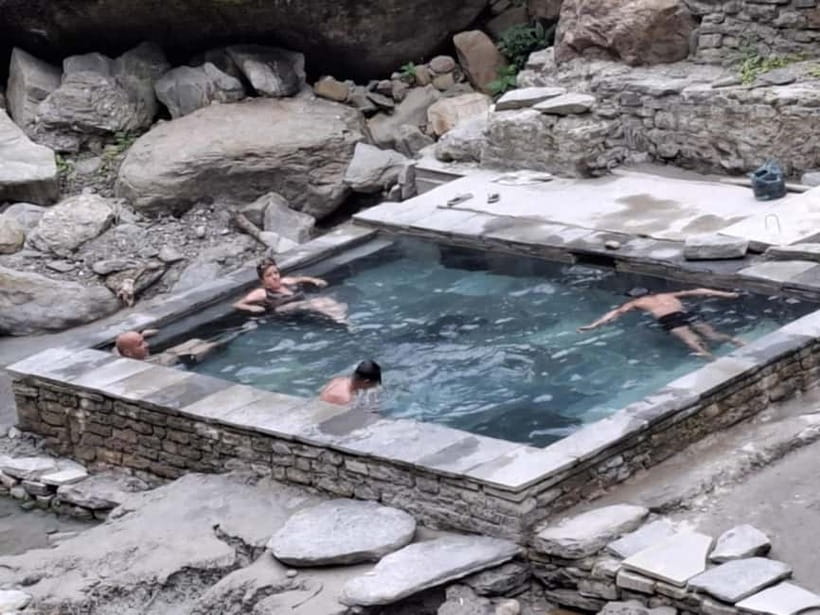
The final day combines about four hours of walking with a three-hour Jeep ride back to Lakeside Pokhara. You descend from Lower Sinuwa toward Jhinu Dada, where natural hot springs provide a welcome break.
The hot springs are more than a pleasant extra. After several days of uphill and downhill walking, warm water can help you relax before the final road journey. Bring a swimsuit or suitable clothing, and keep your towel and change of clothes accessible rather than buried in your main bag.
After Jhinu Dada, you continue by Jeep toward Pokhara. The road journey gives you time to reflect on the change from high mountain paths to the city around Phewa Lake. It also means you are not walking every last mile back to the city, which keeps the five-day schedule possible.
The final transfer may still feel long after the morning’s hike. If you have an early flight or another fixed plan, leave plenty of room for delays. The stated return time is an estimate, and mountain roads and weather can affect the day.
What the $150 price really covers
At $150 per person, this trip looks inexpensive for a guided Himalayan trek, but you need to check which package you are choosing. The standard option allows you to purchase meals along the trail. The full all-inclusive option includes breakfast, lunch, and dinner during the trek.
The included value is strongest if you need a guide and basic equipment. The price covers:
- Hotel pickup and drop-off
- An authorized English-speaking guide
- Trekking permits and required paperwork
- The Trekkers’ Information Management System fee
- Private accommodation during the trek
- Trekking poles, a sleeping bag, and a duffle bag
- Transportation according to the group size
- Staff wages, food, accommodation, equipment, insurance, and transport
- Luggage storage in Pokhara
- Government taxes
That list removes several costs that can add up on a mountain trip. You should still budget for drinking water, showers, battery charging, laundry, phone calls, snacks, drinks, and bar bills. Soft and hard drinks are not included.
Porters are also extra. A porter can be useful if you do not want to carry your own larger bag, but arrange this in advance and confirm the added charge. The guide and porter are separate roles, so do not assume the included guide will carry your main luggage.
The price does not include travel or rescue insurance. You should arrange coverage that specifically applies to trekking at high altitude. International flights and a Nepalese visa are also outside the package.
Meals, gear, and what you should carry
The meal choice affects both price and convenience. With the standard plan, you buy food on the trail. This gives you control over what you order, but you need enough cash and should expect fewer choices as you climb higher.
The all-inclusive plan covers three meals a day. It is easier to budget and removes one daily decision, especially when you are tired. Ask for the exact package details before paying, since the advertised price and meal options are presented separately.
Trekking poles, a sleeping bag, and a duffle bag are supplied as part of the package. You still need proper personal clothing and footwear. Pack hiking shoes, warm layers, a jacket, socks, sunglasses, a hat, sunscreen, and comfortable clothes.
A small daypack is important. Keep water, snacks, sunscreen, a camera, a jacket, and personal items close at hand. Cash is also necessary for personal purchases along the route.
The suggested packing list includes shorts, but do not rely on them for the high sections. Conditions at Annapurna Base Camp can be cold, and February has brought snow and ice. Carry layers so you can adjust as the temperature changes.
Fitness, weather, and the five-day question
The biggest question is not the price. It is whether five days gives you enough time.
A five-day schedule can work if you are fit, comfortable with long uphill walks, and prepared for basic mountain accommodation. It is less suitable if you want slow mornings, long photography stops, or extra time to adjust to altitude.
One hiker described the trip as amazing, tiring, and frightening, and wished for seven days instead. That is useful advice. A seven-day version would likely give you more breathing room, though this specific experience is sold as a five-day program.
Season matters, too. Off-season conditions can bring poor visibility, snow, and ice. One February departure required crossing four avalanches on the descent. Your guide can help with route decisions, but no guide can remove the risk created by winter mountain conditions.
March may offer a different experience, but conditions can still vary. The exact weather is not guaranteed, so ask about current trail conditions before you leave Pokhara. If you are not comfortable with snow or long hikes, choose a longer schedule or a more suitable season.
Guides Jeet, Kaji, and the value of good support
A good guide is especially important on a short trek because every day involves a clear target. You want someone who notices fatigue, explains the route, sets a sensible pace, and helps when conditions become difficult.
Jeet has been praised for being funny, respectful, attentive, and careful about rest. Kaji has helped hikers through difficult snow and avalanche conditions. You may not be assigned either guide, but their examples show what to look for: calm decisions, clear communication, and attention to the group’s condition.
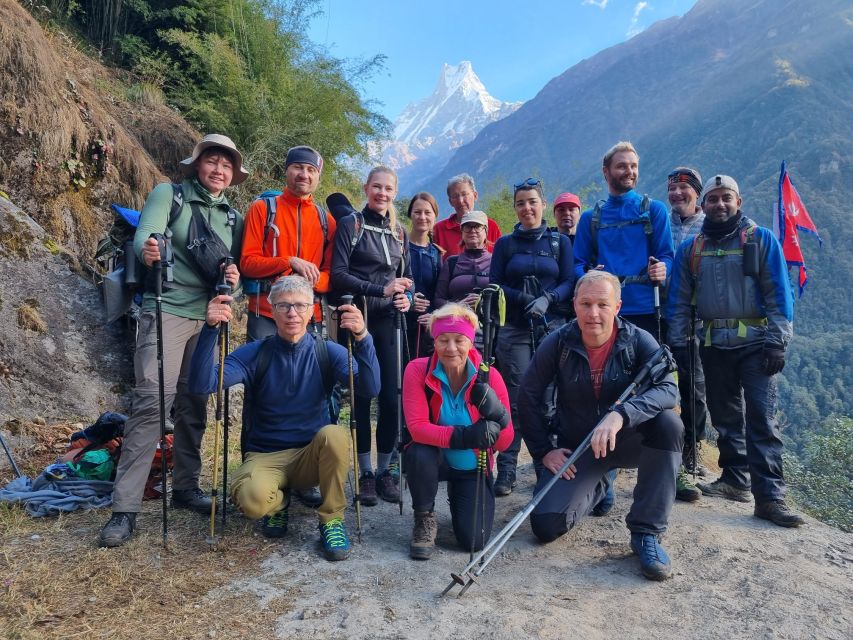
The tour offers live guiding in English, Hindi, and Nepali. It is also a private-group experience, which usually gives you more control than a large shared departure. The supplied information does not state a maximum group size, so confirm the number of people in your private group before booking.
Hotel pickup and drop-off are included. On the morning of departure, wait in your hotel lobby about ten minutes before the scheduled pickup time.
Who should book this trek?
I would recommend it to a fit hiker who wants Annapurna Base Camp without committing to a longer trip. It suits someone who values a private guide, included permits, basic equipment, and a hot-spring finish.
It is also a good choice if you are already in Pokhara and want a tightly planned mountain experience with transport handled for you. The $150 starting price can be strong value, especially when permits, staff costs, lodging, and gear are included.
I would hesitate if you dislike long walking days, have no interest in cold conditions, or need a flexible schedule. The eight-hour descent and the high overnight at base camp are not minor details. Add travel insurance, porter costs, personal spending, and possible extra accommodation in Pokhara to your real budget.
Should you book the five-day Annapurna Base Camp trek?
Book it if you want a direct, high-altitude adventure and accept a brisk pace. The combination of Annapurna Base Camp, private guiding, mountain village stays, and Jhinu Dada hot springs gives you a lot in five days.
Choose a longer trek if you want more time for views, rest, and altitude adjustment. Also avoid treating the $150 price as the final cost until you confirm meals, porter service, insurance, and personal expenses.
For a fit hiker who plans carefully and chooses suitable conditions, this is a strong-value route to one of Nepal’s most memorable mountain settings. Just give the schedule the respect it deserves.
FAQ
How long does the Annapurna Base Camp trek take?
The experience lasts five days, including transport from Pokhara and the return journey.
What is the highest point reached?
You reach Annapurna Base Camp at 4,130 meters.
Are meals included?
Meals are included only with the all-inclusive full package. The standard option allows you to buy meals along the trail.
Is a guide included?
Yes. An authorized licensed guide is included, with English, Hindi, and Nepali available.
Are porters included?
No. Porter service can be arranged for an additional cost.
Is transportation from Pokhara included?
Yes. Hotel pickup and drop-off are included, with Jeep transportation used during the scheduled route.
What happens on the final day?
You walk from Lower Sinuwa to Jhinu Dada, relax at the natural hot springs, then travel by Jeep back to Lakeside Pokhara.
Can you cancel for a full refund?
You can cancel up to 24 hours in advance for a full refund.
More walks and climbs around Nepal
- Pkr/Kathmandu: 5-Day Annapurna Base Camp & Hot spring Trek
★ 5.0 · 6 reviews - Bali: Mount Batur Sunrise Guided Hike and Natural Hot Spring
★ 4.8 · 9,284 reviews - Mount Batur Sunrise Hike and Natural Hot Spring Option
★ 5.0 · 1,927 reviews - Private Tour Mount Batur Sunrise Trekking and Natural Hot Spring
★ 5.0 · 431 reviews
Newly listed around Nepal
- Pokhara: 7-Day Annapurna Base Camp Via PoonHill & Hot Spring★ 5.0 · 6 reviews
- Kathmandu: Full-Day Yoga, Body Massage and Pedicure Package★ 5.0 · 3 reviews
- Kathmandu: Spa Package with Massage, Facial and Bath★ 4.1 · 11 reviews
- 21 Day Ayurveda & Yoga Retreat in the Himalayan country, Nepal★ 5.0 · 19 reviews
- 10 Days Ayurveda & Yoga Retreat in Kathmandu, Nepal★ 5.0 · 24 reviews
- 7 Days Thai Yoga Massage Training and Retreat in Begnas Nepal★ 5.0 · 6 reviews
- 21 days Himalayan yoga retreat in Nepal in Kathmandu★ 5.0 · 28 reviews
- 6 Hours Spa Package in Kathmandu (Massage, Sauna, Steam, Jacuzzi)★ 5.0 · 43 reviews
Hot Springs and Geothermal Pools, compared.
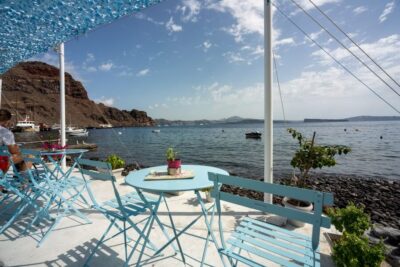
Volcanic Islands Cruise with Hot Springs Visit
Read our review →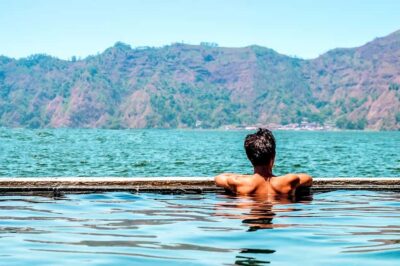
Mount Batur Sunrise Guided Hike and Natural Hot Spring
Read our review →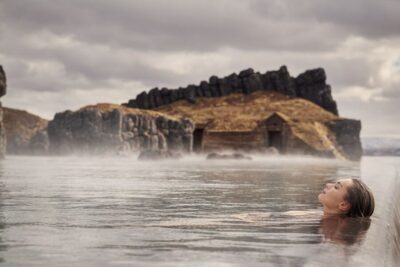
Sky Lagoon Entrance Pass With 7-Step Spa Ritual
Read our review →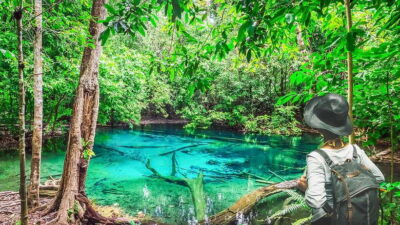
Tiger Cave Temple, Emerald Pool and Hot Springs Tour
Read our review →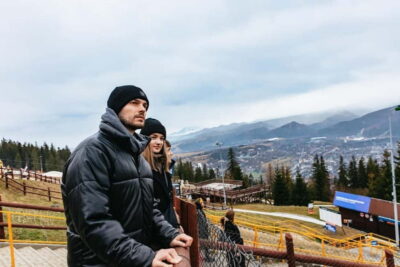
Zakopane Tour Local Tasting, Cable Car & Hot Springs
Read our review →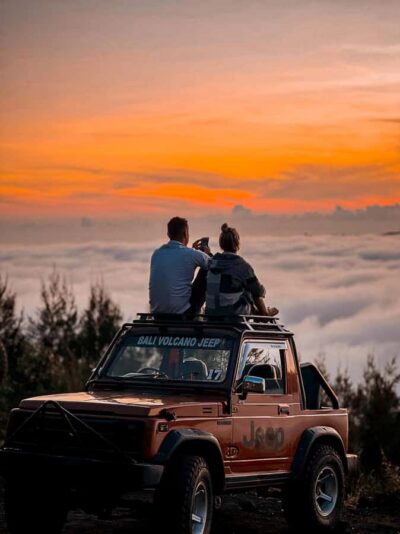
Mount Batur: Private Sunrise Jeep Tour & Hot Spring
Read our review →
Mount Batur Sunrise Hike and Natural Hot Spring Option
Read our review →
Mount Batur Shared Jeep Sunrise & Hot Spring Tour
Read our review →Browse the lists this tour appears in