
Review · HOT SPRINGS AND GEOTHERMAL POOLS
Pkr/Kathmandu: 5-Day Annapurna Base Camp & Hot spring Trek
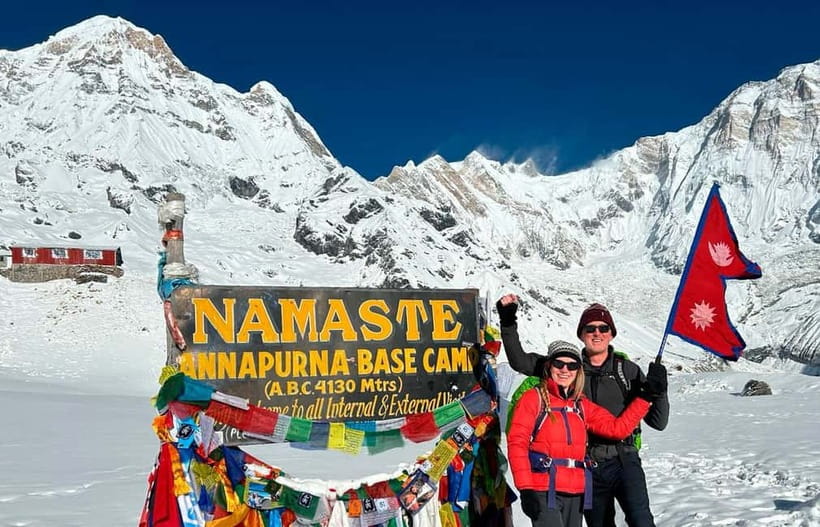
Annapurna Base Camp is the prize here: a high mountain bowl surrounded by Annapurna I, Machhapuchare, and Hiunchuli, reached in only five demanding days. I like the route because it gives you forest, waterfalls, Gurung villages, snowy peaks, and a hot spring without requiring a long expedition.
I also like the practical support: a private guide, shared Jeep transfers, permits, four mountain guest-house nights, and borrowed sleeping bags, duffle bags, and trekking poles. The catch is simple: this is a fast schedule, not a gentle walk. You need good fitness, sensible pacing, and respect for the altitude.
Key points at a glance
- Reach 4,130-meter Annapurna Base Camp in five days, with the hardest altitude gain concentrated in the middle of the trip.
- Walk through changing scenery, from forest and waterfalls to the open high valley around Machhapuchare Base Camp.
- Sleep in four mountain guest houses, where comfort is basic but the location puts you close to the trail.
- Travel with a private group and guide, with English, French, Japanese, and Chinese guide support available.
- Add Jhinu Danda’s hot springs, a welcome way to ease tired legs before returning to Pokhara.
- Expect excellent guide care, with Sagar, Raj, Shiva, Nareen, and others praised for pacing, safety, organization, and encouragement.
Why this five-day ABC route works
This trip packs one of Nepal’s best-known short treks into a tight timetable. You start low, climb through forest and settlements, sleep above 3,000 meters, reach ABC at 4,130 meters, then retrace the route toward the hot springs and Pokhara.
I like the route’s variety. It is not just a mountain-view walk. You pass through traditional villages, cross rivers, walk beneath dense forest, and stop at tea houses along the way. The scenery changes fast, which helps the long walking days feel purposeful.
The private-group setup is another plus. You are not tied to the pace of a large busload of people. A good guide can shorten or lengthen stops, watch how you are handling the altitude, and help with guest-house arrangements. Recent guides named Sagar, Raj, Shiva, Nareen, and Bimal were praised for calm pacing, safety, good organization, and friendly support. Guide assignments can change, so treat those names as examples rather than a guarantee.
The schedule is efficient but tight. You spend only one night at ABC before walking back down. That makes this a strong choice if you have limited time, but a weaker choice if you want spare days for weather delays or a slower adjustment to altitude.
More Hot Springs in Nepal
- Pokhara: 5 Day Annapurna Base Camp Trek & Natural Hot Spring
★ 4.9 · 44 reviews - From Pokhara: 5-Day Annapurna Basecamp Trek with Hot Springs
★ 4.9 · 26 reviews - Pokhara: 7-Day Annapurna Base Camp Trek & Natural Hot Spring
★ 5.0 · 11 reviews
Day 1: Kathmandu or Pokhara to Sinuwa
If you begin in Kathmandu, the package can include a roughly 30-minute flight to Pokhara. From Pokhara, the road section starts with hotel pickup and a shared Jeep drive toward Simrung via Nayapul. The drive takes about two to three hours.
At Simrung, you begin walking. The first trek to Sinuwa takes about four to five hours, with a maximum altitude of 2,340 meters. Your night is in a mountain guest house at Sinuwa.
This first day is longer than the numbers may suggest because it combines road travel with a substantial hike. You should be ready to walk soon after the Jeep arrives. Keep water, sunscreen, warm layers, and rain protection where you can reach them, not buried in your duffle bag.
The Kathmandu option is convenient for anyone already in the capital, but it adds flight timing and another transfer. The Pokhara option is simpler if you are already staying around Lakeside. Pickup is listed for hotels in Lakeside Pokhara, so confirm your exact pickup point before departure.
Day 2: Sinuwa through forest and waterfalls to Deurali
Day two takes you from Sinuwa to Deurali in roughly five to six hours. The route passes through Himalaya, a small settlement with tea houses, and continues through dense forest.
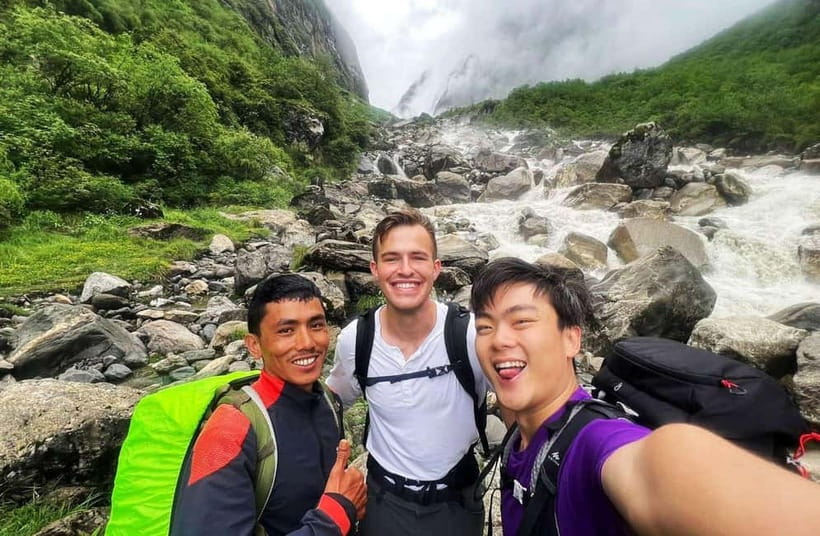
This is one of the most scenic parts of the trip. You can expect rivers, waterfalls, and heavy forest cover, with the trail gradually gaining height. The setting feels sheltered and green at first, but the climbing is real. Deurali sits at about 3,230 meters, so the day matters as preparation for ABC.
The night is at Deurali Guest House. Mountain lodging is functional rather than luxurious. Four guest-house nights are included, but the information does not promise private rooms, attached bathrooms, or hotel-style amenities. Pack for basic conditions and bring the warm clothing requested for the trip.
Pay attention to your body here. The route is classified as moderate to challenging, and altitude symptoms can appear as you climb. A private guide should help monitor the pace, but you still need to speak up if you feel unwell.
Day 3: Deurali to Machhapuchare Base Camp and ABC
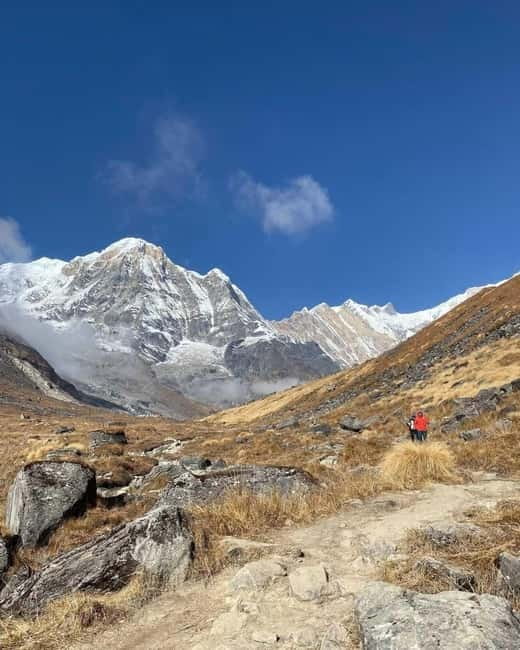
Day three is the central test. You walk from Deurali to Annapurna Base Camp via Machhapuchare Base Camp, usually taking five to six hours. The maximum altitude reaches 4,130 meters.
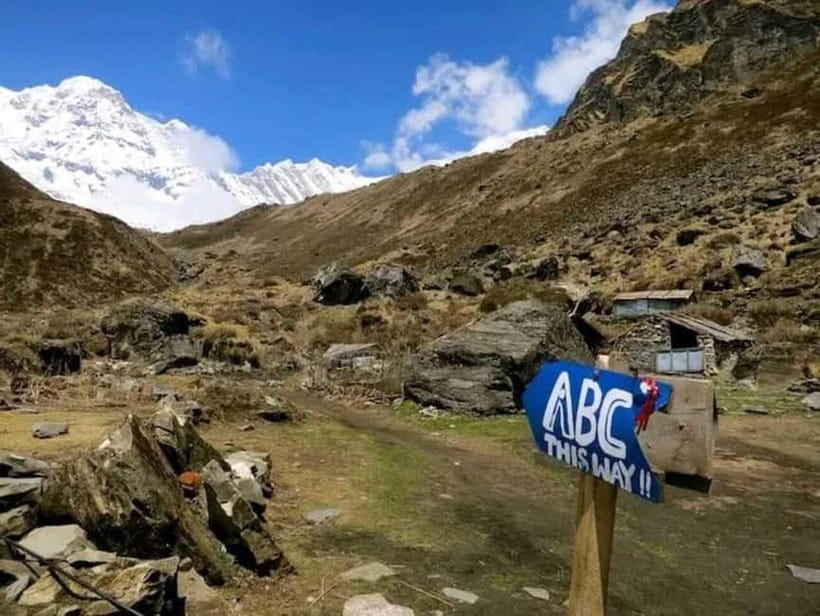
Machhapuchare Base Camp is a major moment, even though it is not the final destination. The trail enters the high valley, where the forest gives way to broad mountain views and exposed terrain. From here, the route continues toward the Annapurna Sanctuary and the ring of peaks around ABC.
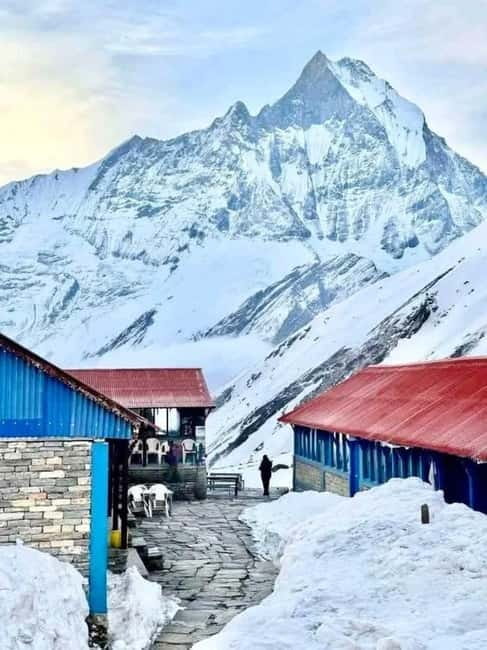
At Annapurna Base Camp, you stay in a tea house and have a chance to see Annapurna I, which rises to 8,091 meters, along with Machhapuchare and Hiunchuli. The setting is the reason to accept the hard days. You are not simply viewing the mountains from a distant road. You are sleeping inside the high mountain basin, close to the peaks.
The schedule places you at ABC for sunset and the night, with sunrise the next morning. The high altitude can make sleep difficult, and cold temperatures are possible. A sleeping bag is available to borrow, but bring warm clothing and confirm the equipment arrangement before leaving Pokhara.
Do not judge the day by distance alone. The air is thinner at 4,130 meters, and the final climb can feel slow. A guide who keeps the group moving at a steady pace is especially valuable here. Several recent departures gave high marks to their guides for doing exactly that.
More Hot Springs in the world:
- Santorini: Volcanic Islands Cruise with Hot Springs Visit
★ 4.4 · 10,869 reviews - Bali: Mount Batur Sunrise Guided Hike and Natural Hot Spring
★ 4.8 · 9,284 reviews - Reykjavik: Sky Lagoon Entrance Pass With 7-Step Spa Ritual
★ 4.8 · 6,166 reviews - Chiang Mai: Chiang Rai Temples, Karen Tribe and Hot Springs
★ 4.7 · 5,401 reviews
Sunrise, mountain views, and the return walk
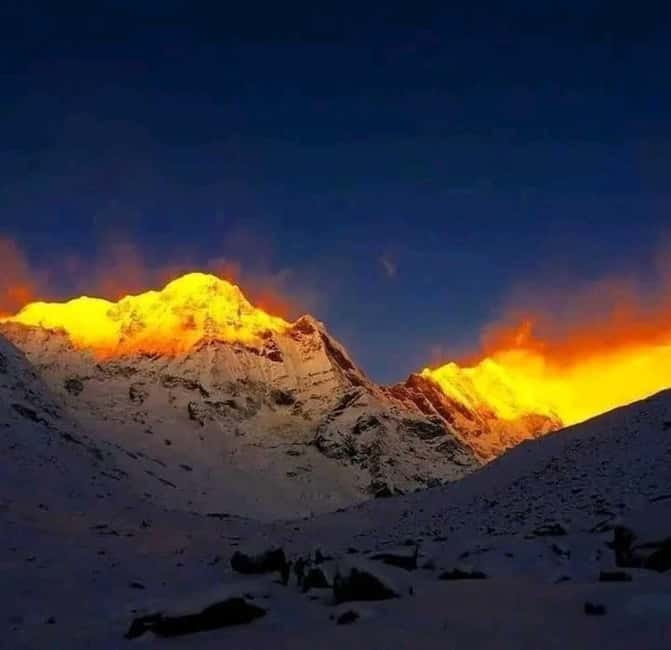
The early morning at ABC is a key part of the experience. The route information highlights sunrise around the Machhapuchare Base Camp area and the spectacular morning views from the high camp. You will need warm layers for this portion, since the high valley can be cold even in the best trekking months.
After the morning views, day four takes you back toward Bamboo or Sinuwa. The walk lasts about six to seven hours and passes through Deurali, Himalaya, and Dobhan. This is mostly a return along familiar ground, but descending does not always mean easy. Long downhill sections can punish knees and ankles, especially after the altitude and cold of ABC.
The overnight location is given as Bamboo or Sinuwa, with a minimum altitude of about 2,340 meters. Ask your guide for the expected stopping point and departure time, since the exact overnight location may depend on pace and conditions.
The advantage of this return is that you lose altitude fairly quickly. The drawback is the length. If your legs are tired, trekking poles become useful. Poles are listed among the equipment you may borrow, but one recent participant found that poles were not supplied and the guide improvised bamboo poles. Confirm this item before setting out.
Day 5: Jhinu Danda hot spring and the road to Pokhara
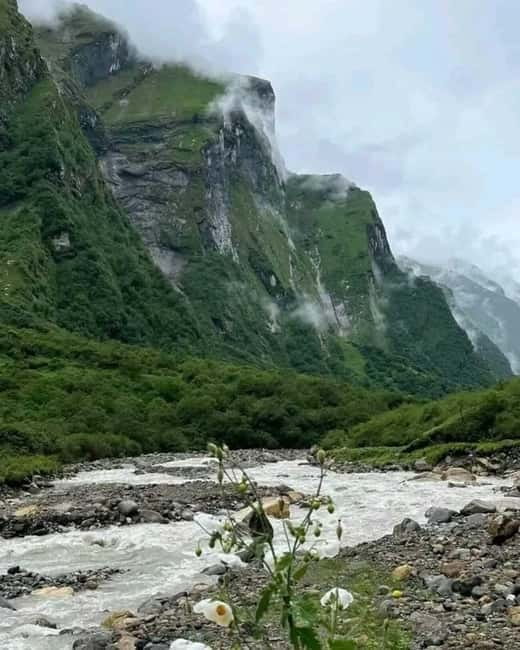
The final day combines three to four hours of trekking with a two to three-hour drive back to Pokhara. You walk toward Simrung via Jhinu Danda, then take the Jeep back to the city.
Jhinu Danda is the trip’s optional recovery stop. The natural hot springs offer a chance to relax tired muscles before the final transfer. Since the hot spring is described as optional, ask whether the stop fits your group’s timing and whether you need to carry anything separately for it.
You should reach your Pokhara hotel or agreed drop-off point by about 5:00 PM. That timing is approximate, not a promise. Road conditions, walking pace, weather, and the length of the hot spring stop can affect the arrival.
This final day gives the itinerary a pleasant finish. You move from the high mountains back toward lower valleys, then return to the comforts of Pokhara. If you have a flight or another fixed appointment that evening, leave extra time.
What the $60 price really means
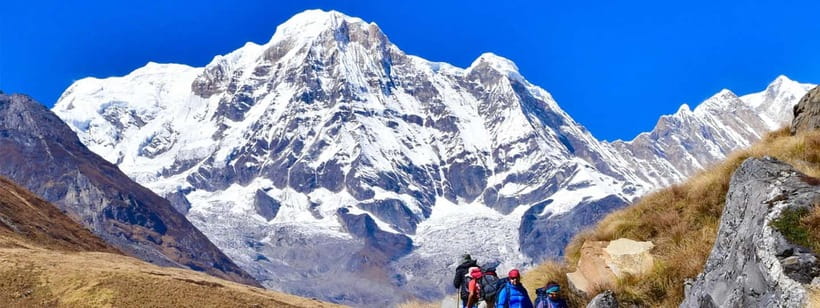
The advertised price is $60 per person, but you need to check which version you are booking. The inclusions differ between the budget option, the all-inclusive option, and the Kathmandu flight option.
The listed core support includes Pokhara hotel pickup and drop-off, the shared Pokhara to Simrung Jeep transfer, four nights in mountain guest houses, a trekking guide, necessary permits, first aid, and borrowed sleeping bags, duffle bags, and trekking poles. If you select the Kathmandu flight option, the Kathmandu to Pokhara flight and related pickup and drop-off are included.
Meals and a porter are included only with the all-inclusive choice. On the budget or Kathmandu option, meals and porter service cost extra. Drinks are not included, including hot, cold, or alcoholic drinks. Travel insurance is also separate, as are Kathmandu to Pokhara return flights unless selected as an add-on.
At this price, the value is strongest for someone who already has some trekking clothing and wants the main transport, guide, permits, lodging, and route planning handled. It is less inexpensive once you add meals, porter service, drinks, insurance, and flights. Compare the final total, not just the headline number.
Guides, porters, and the human side of the trek
The strongest part of this experience is the guiding support. Sagar was praised for careful pacing, safety, accommodation, meals, and mountain knowledge. Raj and porter Naron helped a last-minute booking run smoothly. Shiva was credited with keeping an efficient itinerary, while Nareen and porter Visnu were praised for care in cold, rainy, and snowy conditions.
That matters because the route is not only about finding the trail. A guide helps with guest houses, daily timing, altitude concerns, and communication. A porter can make a major difference by carrying the larger load, but porter service is not included in every package.
You should ask four questions before booking: Which meals are included? Is a porter assigned? Are trekking poles actually available? What time will pickup and departure happen each day? One participant specifically wanted better information about weather, luggage needs, and departure times. That is useful advice for anyone new to high-altitude trekking.
The staff also add a social element. Tea stops and long uphill sections become easier when you can talk with your guide. Recent groups appreciated friendly, respectful support, including a women-only group that felt comfortable and well cared for throughout the route.
Weather, fitness, and what to pack
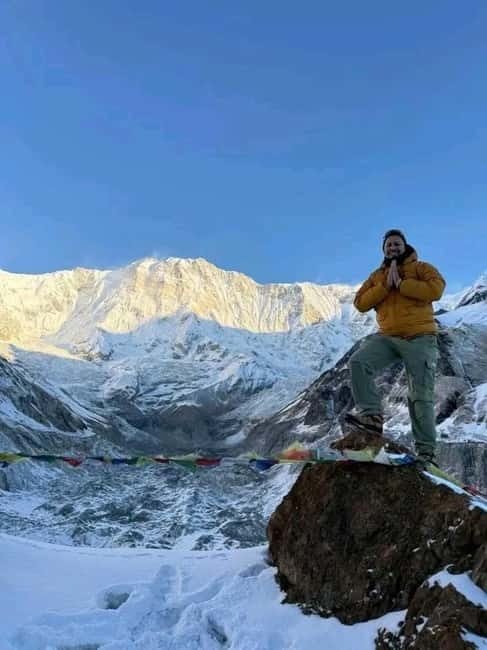
March through May and September through November are listed as the best seasons. Conditions can still change quickly, especially near ABC. Cold, rain, and snow have affected recent departures, so do not pack only for sunny valley weather.
Bring warm clothing, hiking shoes, sunscreen, water, a camera, travel insurance, and suitable trekking gear. The operator also asks you to bring trekking gear generally, so confirm what you can borrow before leaving. Alcohol and drugs are not allowed.
You need a good level of fitness. The trek is not suitable for people with mobility impairments, heart problems, respiratory issues, altitude sickness, or low fitness. Acclimatization matters even though the trip is short. The climb from Sinuwa to Deurali and then to 4,130 meters happens quickly, so move steadily and tell your guide about any symptoms.
Is this five-day ABC trek right for you?
I would choose this trip if I had five days, wanted a private group, and valued a guide who could manage the route and mountain logistics. The scenery is varied, the ABC stay gives you a real high-mountain goal, and the Jhinu Danda hot spring adds a welcome change at the end.
I would not choose it if I wanted a relaxed schedule, guaranteed comfort, or much room for weather delays. The price also needs careful checking because meals, porters, drinks, insurance, and flights may change the final cost.
Book it if you are fit, prepared for basic guest houses, and happy with long walking days. Before paying, confirm the exact package, guide language, food arrangements, porter service, borrowed gear, pickup time, and Kathmandu flight details. With those points clear, this is a focused and good-value way to reach Annapurna Base Camp on a tight timetable.
FAQ
How long is the Annapurna Base Camp trek?
The trek lasts five days, including road transfers from Pokhara to Simrung and back.
What is the highest point on the route?
Annapurna Base Camp reaches a maximum altitude of 4,130 meters.
Can I start the trip in Kathmandu?
Yes. The Kathmandu option includes a roughly 30-minute flight to Pokhara when the flight option is selected.
Is hotel pickup included?
Pickup and drop-off are included in Pokhara. Kathmandu pickup and drop-off are included if you select the flight option.
Are meals included?
Meals are included with the all-inclusive option. They are not included with the budget or Kathmandu option unless you add them.
Is a porter included?
A porter is included with the all-inclusive option. Porter service is an add-on with the budget or Kathmandu option.
Is accommodation included?
Yes. Four nights in mountain guest houses are included.
Can I use trekking equipment from the operator?
Sleeping bags, duffle bags, and trekking poles can be borrowed. Confirm availability before departure, since equipment supply may vary.
Is the hot spring at Jhinu Danda included?
The route passes via Jhinu Danda, where the hot spring stop is optional. Confirm the timing and arrangements with your guide.
What languages are available for the guide?
Guide support is listed in English, French, Japanese, and Chinese.
More walks and climbs around the world
- Mount Batur Sunrise Hike and Natural Hot Spring Option
★ 5.0 · 1,927 reviews - Private Tour Mount Batur Sunrise Trekking and Natural Hot Spring
★ 5.0 · 431 reviews - Mount Batur Sunrise Hike, Breakfast & Hot Spring
★ 5.0 · 316 reviews - National Park Hike & Finnish Smoke Sauna Experience with Campfire Lunch
★ 5.0 · 182 reviews
Newly listed around the world
- 21 Day Ayurveda & Yoga Retreat in the Himalayan country, Nepal★ 5.0 · 19 reviews
- Agadir Massage & Hammam 2 hours★ 4.5 · 53 reviews
- Luxury So Thai Spa Package (4 Hours)★ 4.5 · 18 reviews
- Dry Deep Bodywork (Dry | Thai–Shiatsu based)★ 5.0 · 45 reviews
- Hoang Spa Thai Massage★ 5.0 · 34 reviews
- Thai Massage★ 5.0 · 15 reviews
- Hue Traditional Massage For Healing, 45 mins★ 5.0 · 17 reviews
- 10 Days Ayurveda & Yoga Retreat in Kathmandu, Nepal★ 5.0 · 24 reviews
Hot Springs and Geothermal Pools, compared.
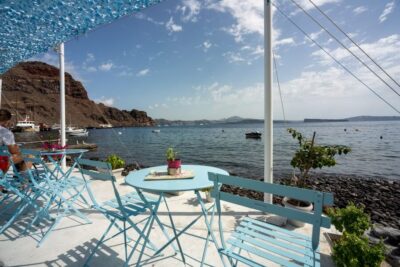
Volcanic Islands Cruise with Hot Springs Visit
Read our review →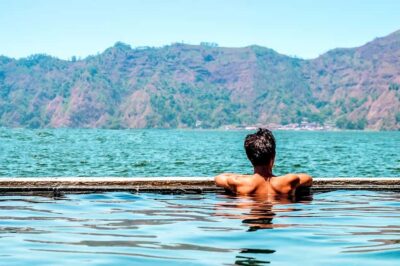
Mount Batur Sunrise Guided Hike and Natural Hot Spring
Read our review →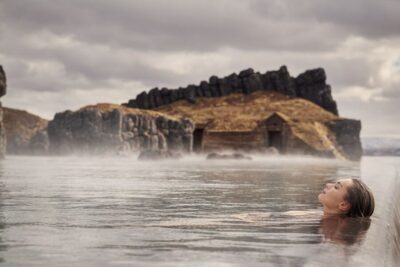
Sky Lagoon Entrance Pass With 7-Step Spa Ritual
Read our review →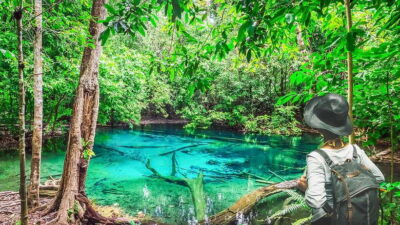
Tiger Cave Temple, Emerald Pool and Hot Springs Tour
Read our review →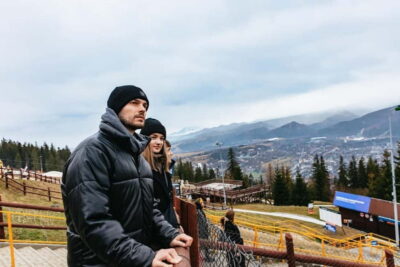
Zakopane Tour Local Tasting, Cable Car & Hot Springs
Read our review →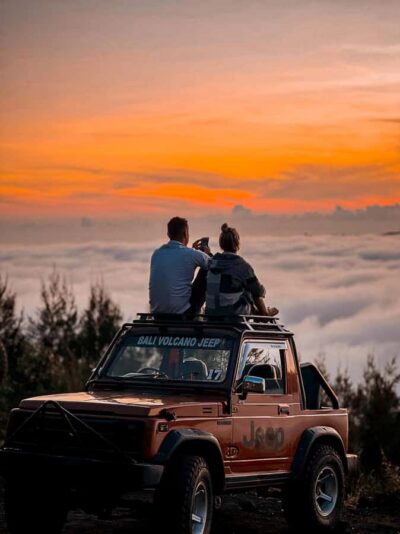
Mount Batur: Private Sunrise Jeep Tour & Hot Spring
Read our review →
Mount Batur Sunrise Hike and Natural Hot Spring Option
Read our review →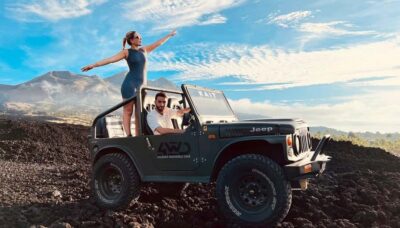
Mount Batur Shared Jeep Sunrise & Hot Spring Tour
Read our review →Browse the lists this tour appears in